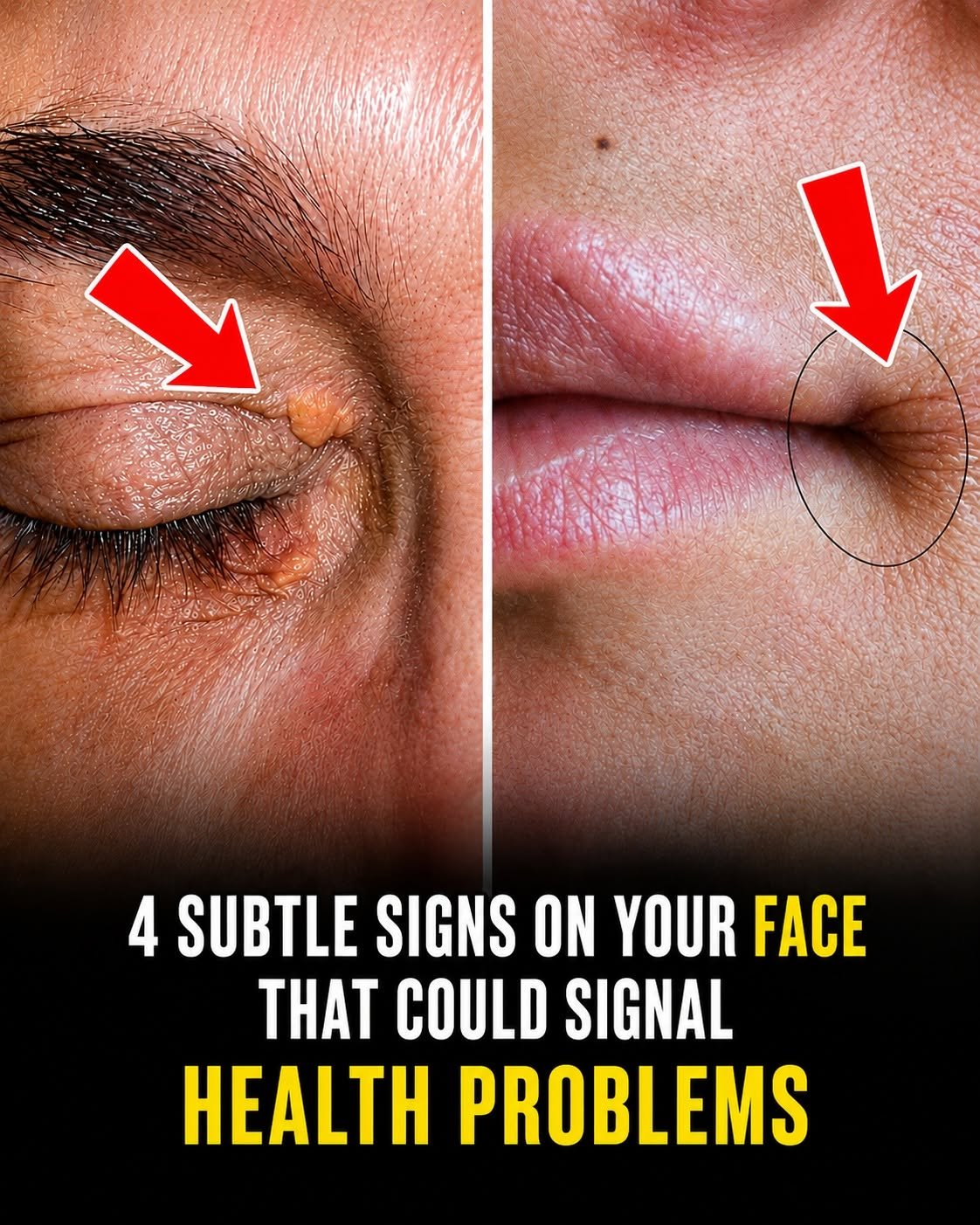
Digital media platforms frequently feature sensationalized medical close-ups and alarmist clickbait headlines claiming that minor facial surface changes—such as small spots near the eyelids or corners of the mouth—act as immediate indicators of severe, underlying organic diseases. These viral graphics are specifically engineered to provoke health anxiety, obsessive self-examination, and rapid online sharing rather than providing accurate, evidence-based dermatological or clinical education.
From a clinical and dermatological perspective, yellowish cholesterol deposits around the inner corners of the eyelids are medically known as xanthelasma palpebrarum. While xanthelasma can sometimes correlate with elevated blood lipid levels or cardiovascular risk factors, nearly half of all individuals with these deposits present with completely normal lipid panels. Similarly, inflammatory cracking or skin changes at the corners of the mouth—known as angular cheilitis—are primarily caused by localized moisture retention, fungal or bacterial overgrowth, dry weather, or occasional minor nutritional deficiencies (such as B vitamins or iron), rather than systemic organ failure. Sensationalized headlines regularly conflate benign, highly treatable skin conditions with fatal medical diagnoses to maximize digital engagement metrics.
Maintaining overall skin and metabolic health involves eating a balanced diet, staying hydrated, protecting skin barriers with gentle moisturizers, and scheduling routine lipid and wellness screenings rather than relying on alarming internet generalizations. Personal health decisions should always reflect comprehensive medical evaluations, laboratory tests, and clinical examinations rather than online self-diagnosis. If you notice new, persistent, or changing lesions on your face or skin, consulting a licensed physician or board-certified dermatologist provides safe, evidence-based direction.
Leave a Reply