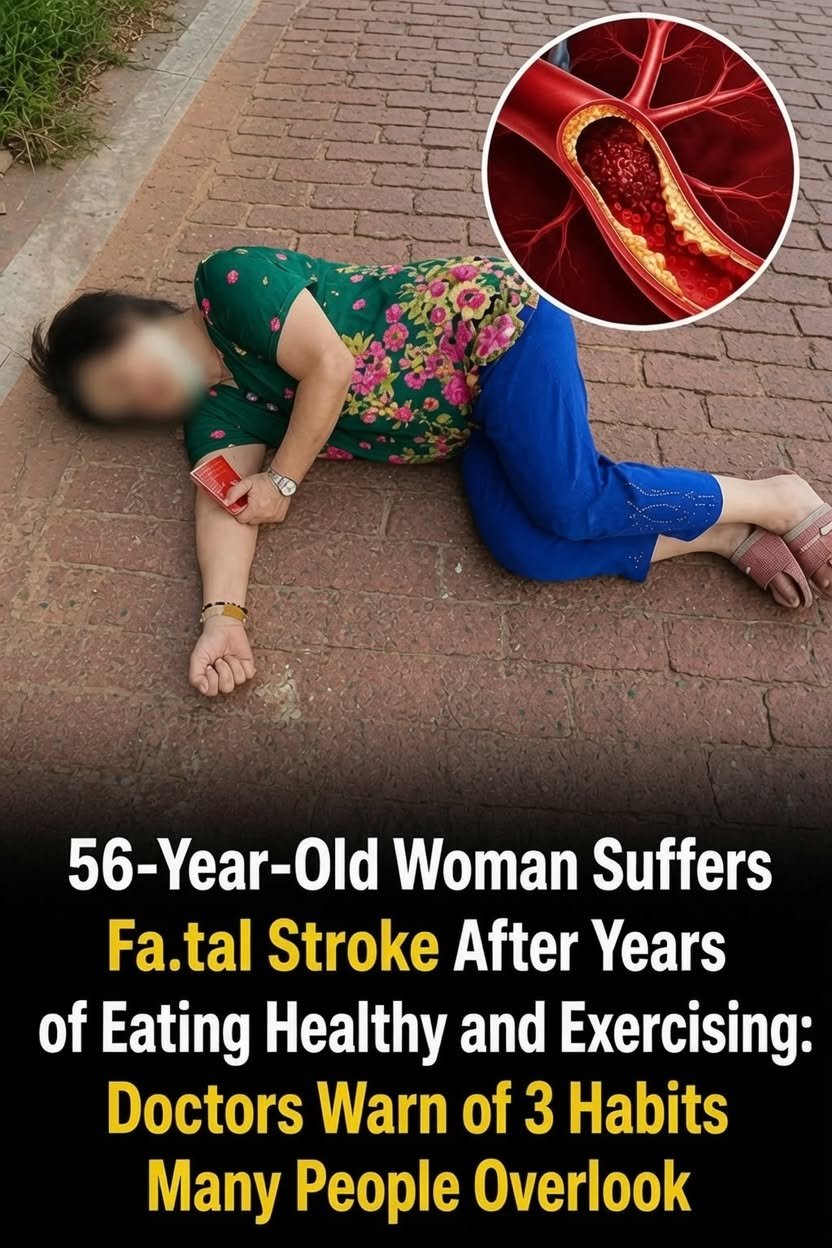
After 50, everyday routines can become increasingly important for cardiovascular and brain health. One of the biggest mistakes is ignoring blood pressure simply because you feel fine. High blood pressure is the leading controllable risk factor for stroke, and it often produces no obvious symptoms. Other habits that may quietly increase risk include eating too much sodium, spending most of the day sitting, smoking or vaping, and regularly consuming excessive alcohol. The CDC notes that too much sodium can raise blood pressure, while physical inactivity, tobacco use, and excessive alcohol consumption can increase stroke risk. These risks can become especially important with advancing age because age itself is a non-modifiable stroke risk factor.
Another mistake is treating diet and exercise as optional once you get older. A diet regularly high in highly processed foods, saturated fat, added sugars, and sodium can contribute to high blood pressure, unhealthy cholesterol levels, excess weight, and diabetes—all conditions associated with greater stroke risk. Current American Heart Association guidance emphasizes healthy dietary patterns such as Mediterranean-style eating, regular physical activity, maintaining a healthy weight, controlling cholesterol and blood sugar, and avoiding tobacco. Sitting for long periods may also matter; the 2024 stroke-prevention guideline specifically highlights prolonged sedentary behavior as being associated with increased stroke risk. Even simple habits such as walking regularly, eating more vegetables and whole grains, reducing salty processed foods, and taking prescribed medicines consistently can contribute to better long-term cardiovascular health.
Perhaps the most overlooked mistake is assuming that prevention can wait until symptoms appear. A stroke can occur suddenly, and many of its major risk factors can be identified and treated before an emergency happens. Regular medical checkups can help monitor blood pressure, cholesterol, blood sugar, heart rhythm, weight, and other factors that influence personal risk. If stroke symptoms suddenly appear—such as facial drooping, weakness or numbness on one side, trouble speaking, vision problems, severe confusion, or difficulty walking—treat it as an emergency and seek immediate medical care. Disclaimer: This article is for general educational and informational purposes only and does not constitute medical diagnosis, treatment, or personalized health advice. These habits do not guarantee that someone will or will not experience a stroke, and individual risk varies. Online health claims may be exaggerated, misleading, or unauthenticated, so always verify important information through reliable medical sources and consult a qualified healthcare professional about your personal stroke risk.
Leave a Reply