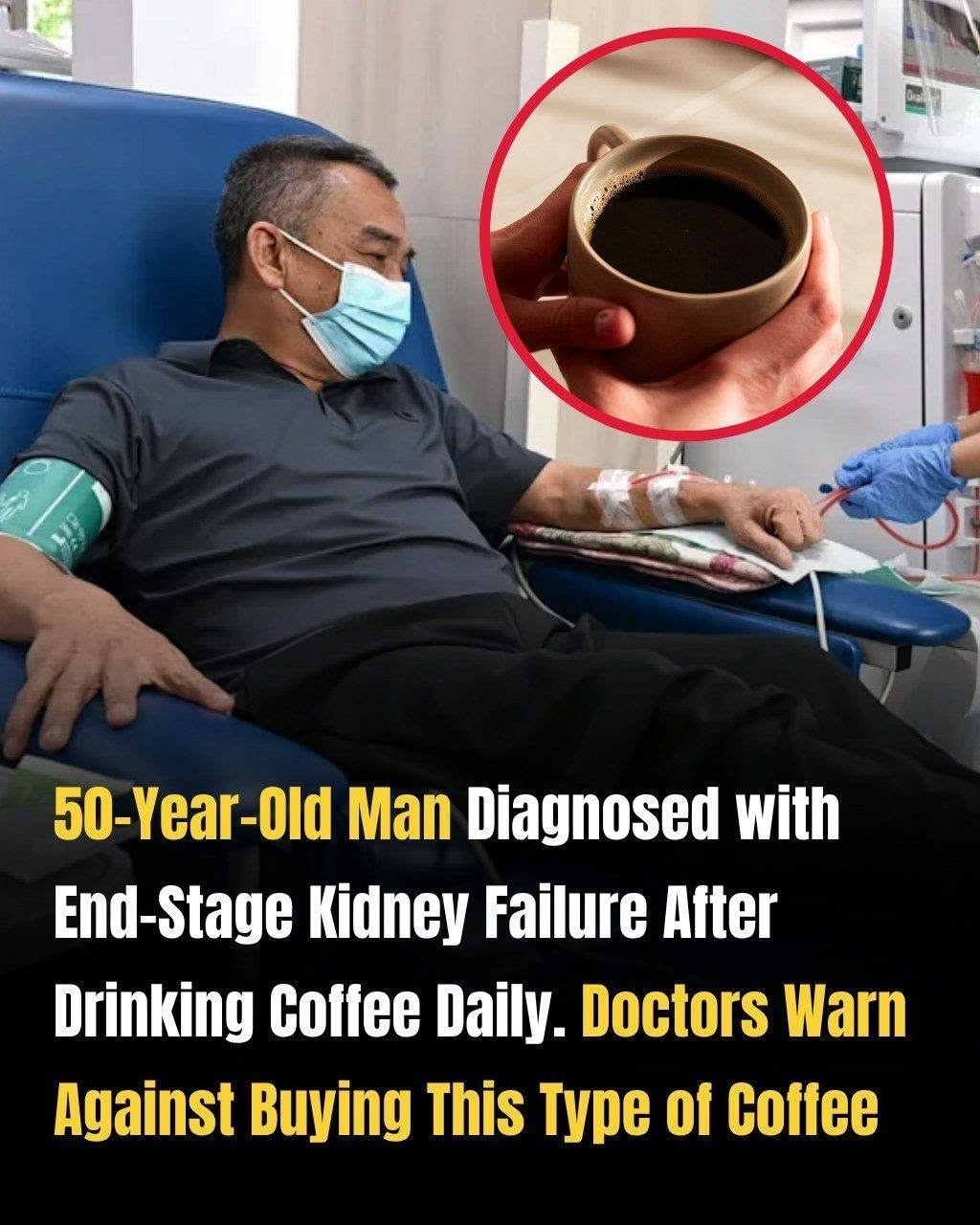
Digital media platforms frequently feature sensationalized medical graphics and alarmist clickbait headlines claiming that ordinary daily habits—such as drinking coffee—lead directly to catastrophic organ failure, such as end-stage renal disease. These viral posts are specifically engineered to provoke intense health anxiety, fear, and rapid online sharing rather than providing accurate, evidence-based clinical or nephrological education.
From a clinical and nephrological perspective, moderate coffee consumption is safe for the vast majority of individuals and has even been associated in some studies with neutral or protective long-term health effects. End-stage renal disease is a complex, chronic condition typically resulting from long-standing systemic diseases such as uncontrolled hypertension, diabetes mellitus, glomerulonephritis, or genetic disorders like polycystic kidney disease, rather than moderate daily beverage habits. Sensationalized online narratives routinely misattribute unrelated medical treatments—such as pairing a stock image of a patient receiving dialysis with a cup of coffee—to manufacture false causality and drive maximum user engagement metrics.
Maintaining long-term kidney health involves managing blood pressure and blood glucose levels, staying adequately hydrated, avoiding the overuse of nephrotoxic medications (such as chronic non-steroidal anti-inflammatory drugs), attending routine medical screenings, and relying on professional clinical guidance rather than alarming internet generalizations. Personalized health evaluations should always reflect comprehensive laboratory work and medical histories rather than online self-diagnosis. If you have concerns about your renal function or dietary habits, consulting a licensed physician or nephrologist provides safe, evidence-based direction.
Leave a Reply