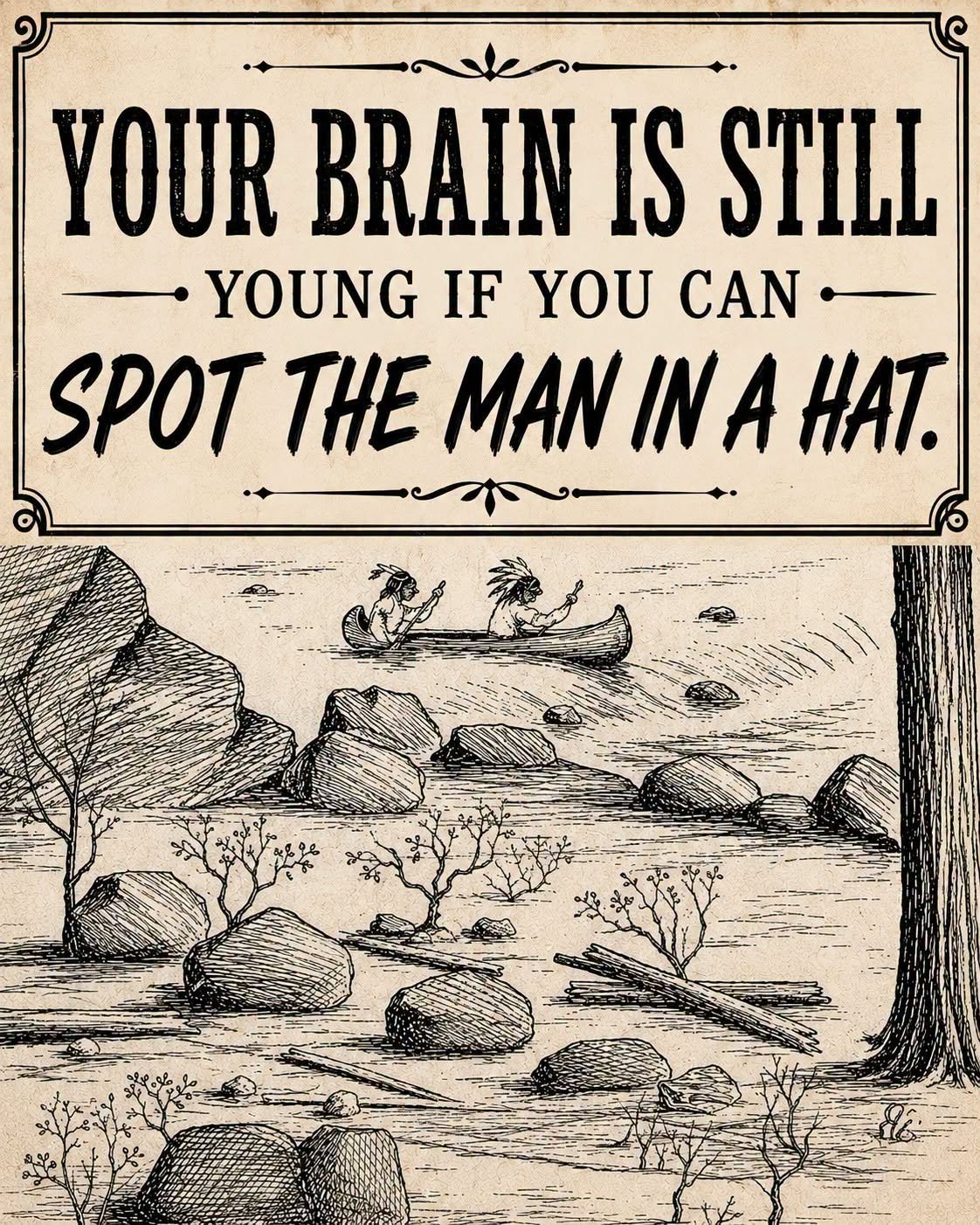
Digital media platforms frequently feature vintage optical illusions and clickbait cognitive tests claiming that spotting hidden figures serves as a definitive indicator of biological brain youth or superior intelligence. These viral posts are specifically designed to provoke curiosity, self-evaluation, and rapid online sharing rather than providing accurate, evidence-based neurological or cognitive education.
From a clinical and cognitive neuroscience perspective, visual perception relies on complex neural processing within the occipital and parietal lobes, pattern recognition, and gestalt psychological principles rather than acting as a direct biomarker for brain age. While visual scanning efficiency and contrast sensitivity can vary across the human lifespan, solving perceptual puzzles is heavily influenced by selective attention, visual experience, and strategy rather than overall cognitive decline. Sensationalized online narratives routinely misrepresent cognitive science to manufacture engagement and playful anxiety regarding aging.
Maintaining long-term cognitive health involves engaging in lifelong learning, maintaining cardiovascular fitness, prioritizing consistent sleep hygiene, and relying on professional clinical guidance rather than alarming or pseudoscientific internet generalizations. Personalized cognitive wellness should always reflect comprehensive lifestyle practices. If you experience persistent cognitive changes, memory concerns, or neurological symptoms, consulting a licensed physician or neurologist provides safe, evidence-based direction.
Leave a Reply