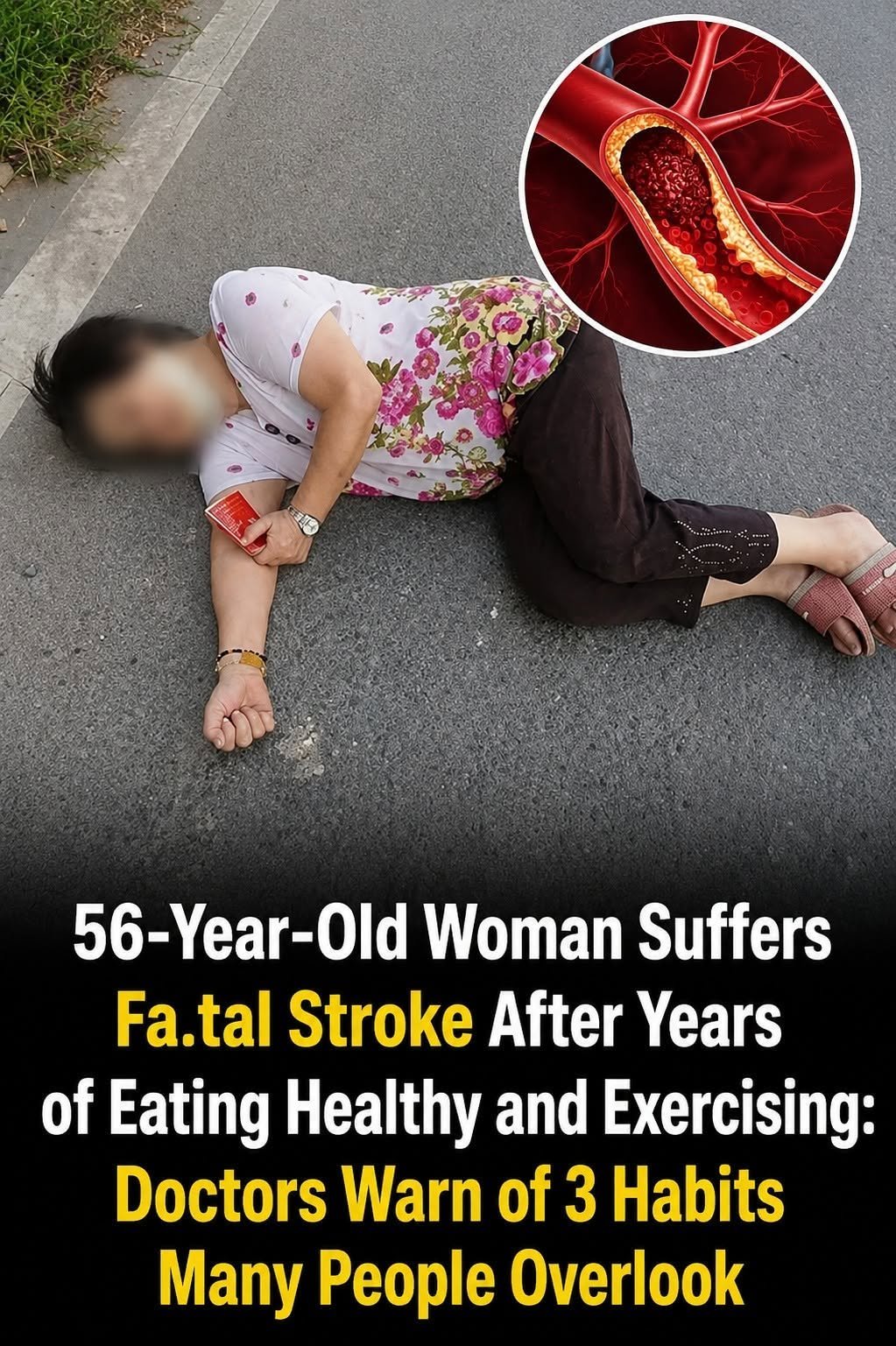
Digital media platforms frequently feature sensationalized medical graphics and alarming clickbait warnings claiming that individuals practicing healthy habits—such as eating nutritious foods and exercising regularly—suddenly succumb to fatal strokes due to overlooked daily mistakes. These viral posts are specifically designed to provoke intense health anxiety, fear, and rapid online sharing rather than providing accurate, evidence-based vascular or clinical education.
From a clinical and vascular medicine perspective, cerebrovascular health is influenced by a combination of genetics, chronic conditions like hypertension, hyperlipidemia, and diabetes, as well as long-term lifestyle choices. While maintaining a healthy diet and regular physical activity significantly reduces cardiovascular and stroke risk, complex medical events can still be influenced by underlying, unmanaged physiological factors or hereditary predispositions. Sensationalized online narratives routinely exploit tragic medical anomalies to manufacture extreme panic and maximize user engagement metrics.
Maintaining long-term cerebrovascular health involves managing blood pressure, monitoring cardiovascular markers, attending regular medical checkups, and relying on professional clinical guidance rather than alarming internet generalizations. Personalized health decisions should always reflect comprehensive medical evaluations by qualified practitioners. If you experience sudden neurological symptoms—such as facial drooping, arm weakness, or speech difficulty—immediately contact emergency medical services for urgent evaluation and life-saving care.
Leave a Reply