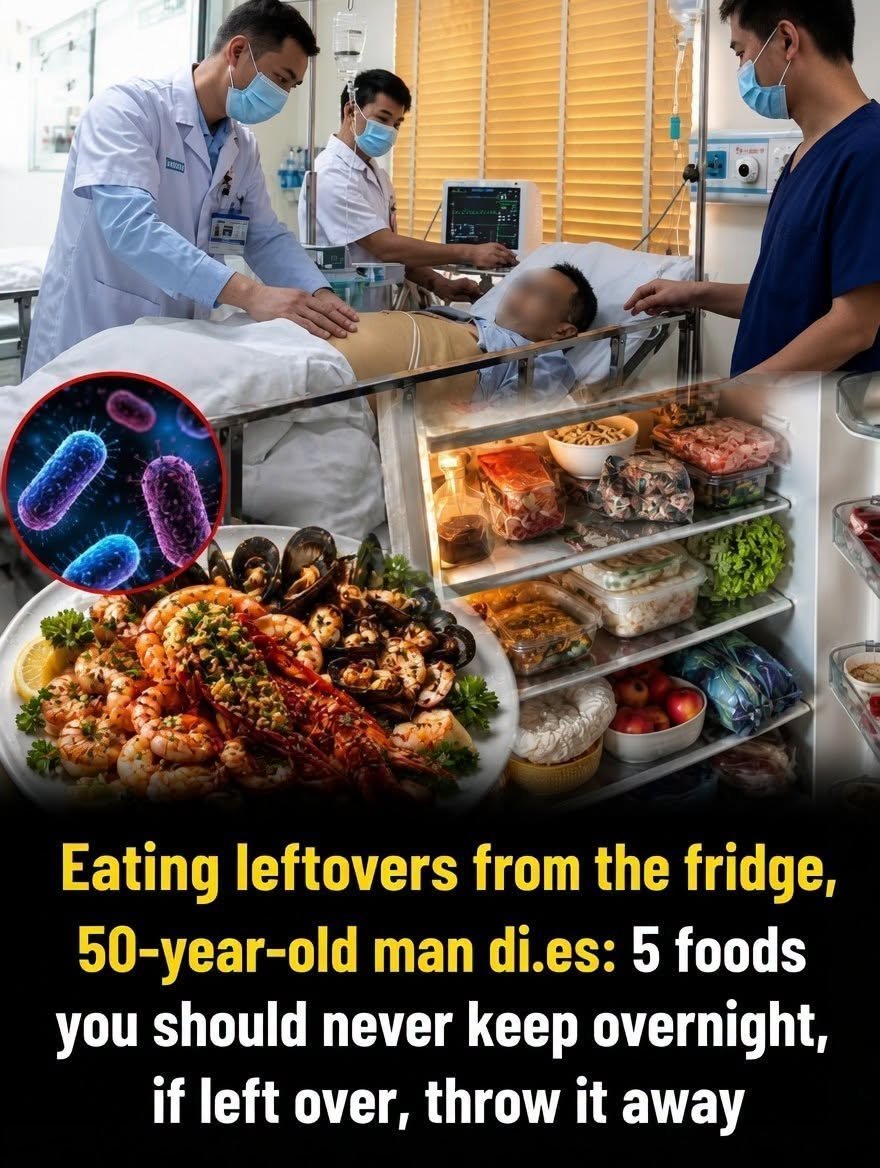
One of the most common refrigerator mistakes is keeping perishable leftovers for too long. A refrigerator slows bacterial growth, but it does not stop it completely. The USDA recommends using most cooked leftovers within 3–4 days when they have been properly refrigerated at 40°F (4°C) or below. Food should generally be refrigerated within two hours of cooking or serving, or within one hour when temperatures are above 90°F (32°C). (fsis.usda.gov) Waiting several days beyond the recommended storage period can increase the risk of foodborne illness, even when the food still appears normal.
Another common mistake is relying on smell, appearance, or taste to decide whether refrigerated food is safe. Harmful bacteria do not necessarily change the color, smell, texture, or flavor of food, so tasting questionable leftovers is not a reliable safety test. The FDA recommends keeping refrigerators at 40°F (4°C) or below and using a refrigerator thermometer to confirm the temperature. (fda.gov) Large quantities of hot food should also be divided into smaller, shallow containers so they cool more rapidly. Keeping foods covered and preventing raw meat, poultry, seafood, and eggs from contaminating ready-to-eat foods are additional important steps for reducing cross-contamination.
A simple refrigerator routine can make a significant difference: label leftovers with the date, keep the refrigerator cold, store raw foods separately, clean spills promptly, and freeze foods that will not be eaten within the recommended period. (foodsafety.gov) This is especially important for older adults, young children, pregnant people, and individuals with weakened immune systems because foodborne infections can be more serious for them. When you are uncertain about a leftover’s storage history, it is safer to discard it than to take a chance. Disclaimer: This article is for general educational and food-safety purposes only and does not constitute medical advice. Storage times can vary depending on the food, preparation method, handling, and refrigerator temperature. Online food-safety claims may be exaggerated, misleading, or unauthenticated, so always verify important information through reliable government or food-safety sources.
Leave a Reply