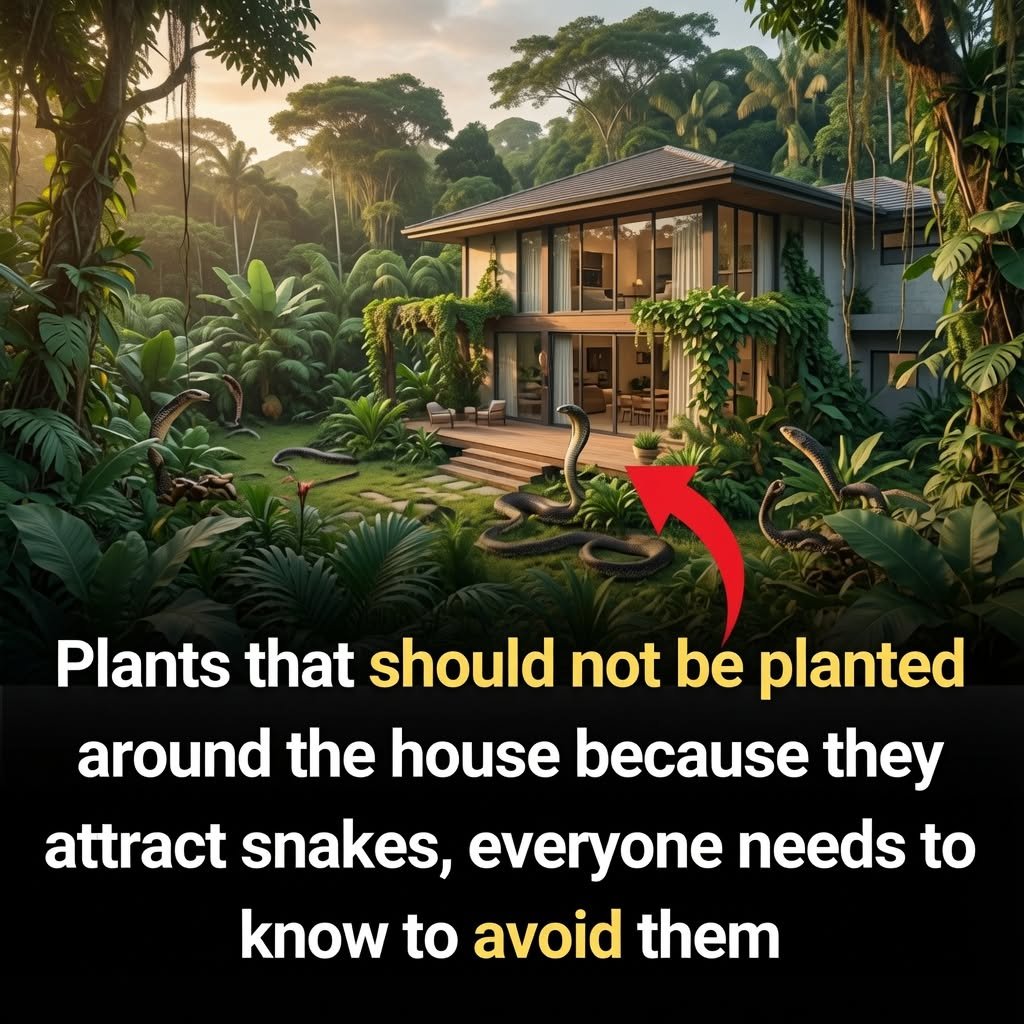
A lush garden can make a home look beautiful, but certain types of vegetation can create conditions that make a yard more attractive to snakes. It is important to clarify that snakes generally are not attracted to a particular plant because of its smell or because they “love” the plant itself. Instead, dense vegetation can provide shade, moisture, hiding places, and habitat for prey such as rodents, frogs, insects, slugs, and other small animals. Extension specialists specifically recommend being cautious with tall grasses, dense ground cover, heavily overgrown shrubs, climbing vegetation, and thick plant growth close to buildings because these features can make snakes harder to spot and provide shelter.
If you live in an area where snakes are common, consider keeping ornamental grasses, dense vines, thick shrubbery, large mulch beds, and heavily planted areas farther from doors, windows, children’s play areas, and frequently used walkways. Large rocks, brush piles, fallen branches, and water features can also create attractive shelter or encourage prey animals to visit. Utah State University Extension recommends keeping trees and shrubs trimmed away from the house, maintaining shorter grass, avoiding excessive watering, and limiting landscape features that provide hiding places. Rather than removing every plant from your yard, the goal should be to create a clear, well-maintained zone around the home while keeping desirable vegetation farther away. This approach can reduce potential hiding places without destroying the ecological value of your garden.
The good news is that seeing a snake does not necessarily mean your garden is unsafe. Many snake species are harmless and can actually help control rodents, slugs, insects, and other garden pests. If you want to discourage snakes around your home, focus on habitat management: mow tall grass, trim vegetation, remove unnecessary debris, store firewood away from the house, control rodents, reduce standing water, and seal gaps around buildings. If you encounter a snake you cannot confidently identify, keep your distance and do not attempt to handle it. Disclaimer: This article is for general educational and gardening purposes only and does not mean that specific plants will automatically attract snakes. Snake behavior varies by species, climate, and local habitat. Online gardening claims may be exaggerated or unauthenticated, so always verify important information through reliable agricultural or university extension sources.
Leave a Reply