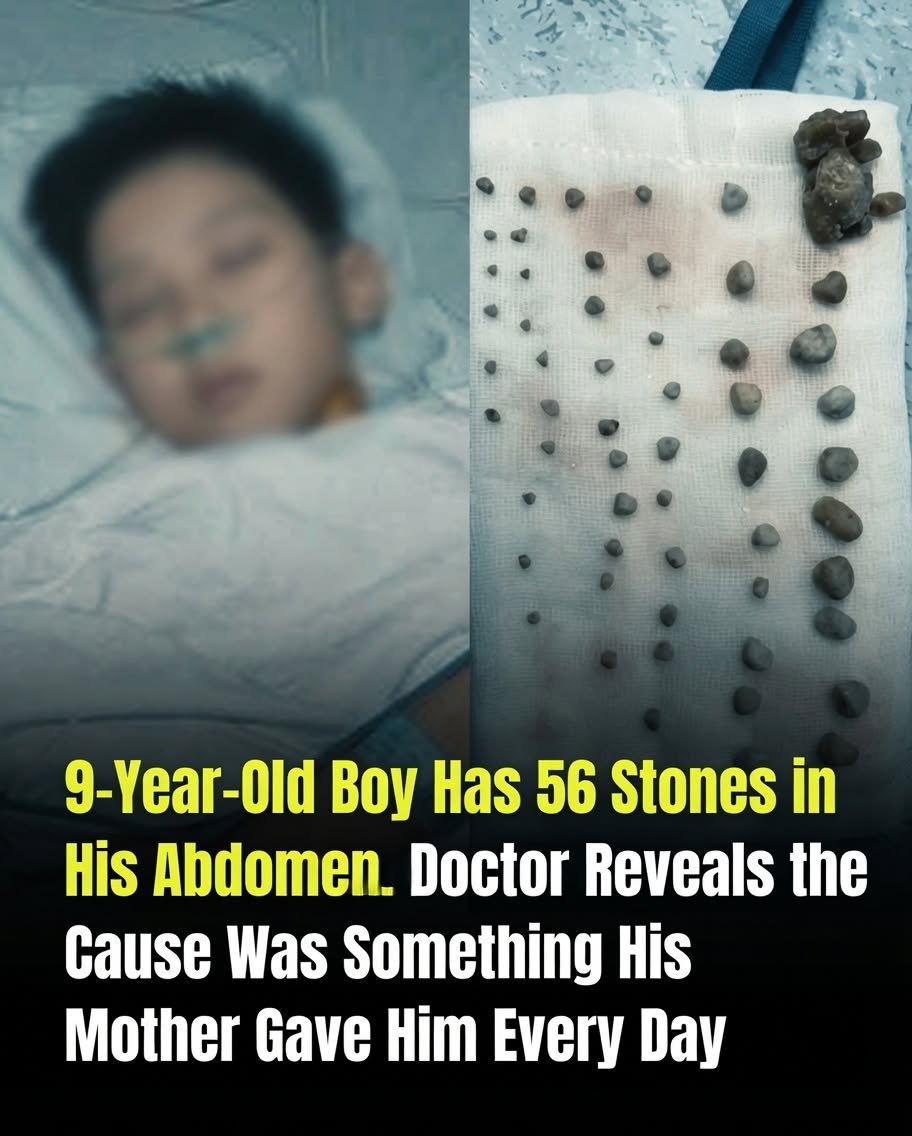
A report describing a child with 56 urinary stones is certainly alarming, but the exact details of the viral story should be treated cautiously. One published report describes a 12-year-old boy in India whose family and a homeopathic practitioner claimed that 56 stones had passed after treatment; this is not the same as a medically verified case of a 9-year-old having 56 stones removed from his abdomen. Kidney and urinary stones in children can occur for several reasons, including inadequate fluid intake, dietary patterns, urinary infections, metabolic abnormalities, genetic factors, and excessive concentrations of stone-forming substances in the urine. Pediatric stone disease therefore should not be blamed on one ordinary food or drink without proper medical evidence.
One important factor is hydration. When children do not drink enough water, urine becomes more concentrated, which can make it easier for crystals to form. High dietary sodium, certain nutritional patterns, metabolic conditions, and family history can also influence stone risk. A clinical nutrition guideline published in Pakistan explains that urinary stones develop when crystal-forming substances such as calcium, oxalate, phosphate, sodium, or uric acid become excessively concentrated, while low urine volume can increase the risk. This is why a headline suggesting that something a mother “gave every day” directly caused dozens of stones can be misleading. Even when diet contributes, kidney-stone formation is usually multifactorial, and proper evaluation may involve urine testing, blood tests, imaging, and analysis of the stone itself.
Parents should pay attention to possible symptoms such as severe pain in the back, side, or abdomen, painful urination, blood in the urine, nausea, vomiting, fever, or difficulty passing urine. A child experiencing these symptoms should be evaluated by a qualified healthcare professional rather than treated with internet remedies or unverified supplements. Children with recurrent stones may need specialist assessment to identify underlying causes and reduce the chance of recurrence. Most importantly, parents should not unnecessarily eliminate nutritious foods based on a dramatic social-media story. Disclaimer: This article is for general educational and informational purposes only and does not constitute medical diagnosis, treatment, or personalized dietary advice. The specific viral claim in the headline could not be independently verified from reliable medical reporting, and the cause of any individual child’s kidney stones cannot be established from a headline alone. Health claims online may be exaggerated, misleading, or unauthenticated, so always verify important information through reliable medical sources and consult a qualified pediatrician or specialist.
Leave a Reply