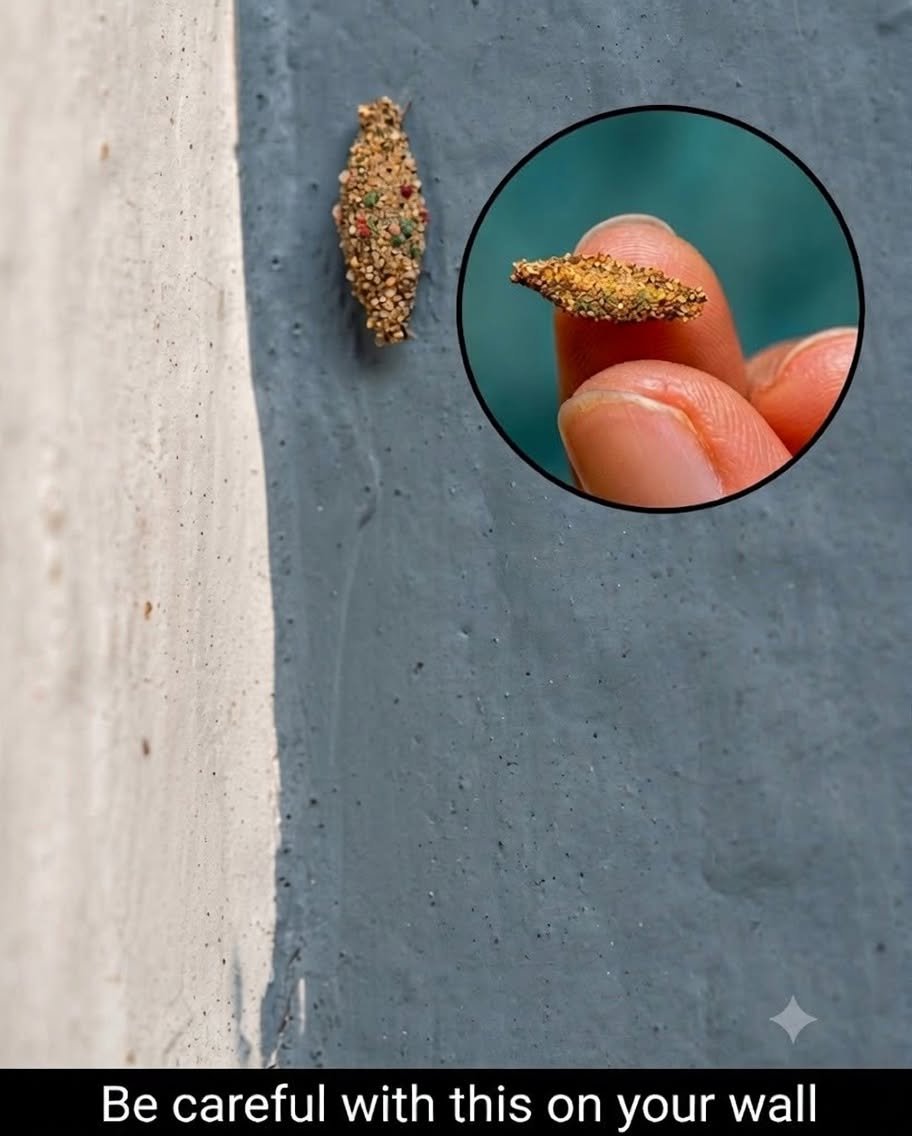
Tiny insects around the home can be easy to overlook, especially when they appear only occasionally. However, pests such as bed bugs, fleas, cockroaches, ants, and other small insects can become a bigger household problem if their presence is ignored. Some pests can contaminate surfaces or food, while others may cause bites, itching, allergic reactions, or respiratory irritation. The U.S. Environmental Protection Agency notes that household pests such as cockroaches can trigger asthma and allergy symptoms, while certain insects can also act as disease vectors. Bed bugs deserve particular attention because they are extremely good at hiding in mattress seams, furniture, luggage, clothing, and other small spaces. Although bed bugs are not known to transmit diseases to people, their bites can cause itching, disturbed sleep, anxiety, and occasionally allergic reactions.
Some clues may indicate that insects are becoming established rather than appearing randomly. Look for small insects or eggs, shed skins, unusual droppings, bite marks, damaged food packaging, or insects repeatedly appearing in the same locations. Fleas, for example, can cause itchy bites and may occasionally transmit certain infections, while cockroaches can contribute to indoor allergens. If you suspect an infestation, avoid assuming that spraying large amounts of insecticide is automatically the best solution. The EPA recommends an integrated pest-management approach that focuses on removing food, water, and shelter sources, reducing clutter, sealing entry points, keeping food in airtight containers, cleaning spills promptly, and using pest-control products safely when necessary. For bed bugs, early detection and professional or carefully planned treatment can be especially important because these insects can be difficult to eliminate.
The safest approach is early identification rather than panic. Keep kitchens and food-storage areas clean, repair leaks, remove standing water, seal cracks where insects may enter, and regularly inspect mattresses, furniture, and other hiding places if you have reason to suspect pests. If bites, allergic reactions, breathing problems, or a persistent infestation develops, consider speaking with a qualified healthcare professional or licensed pest-control specialist. Remember that finding one tiny insect does not automatically mean your home is infested; accurate identification is the first step toward choosing the appropriate response. Disclaimer: This article is for general educational and informational purposes only and does not constitute medical, pest-control, or professional advice. Different insects present different risks, and many harmless insects can resemble household pests. Health claims and viral pest-control recommendations online may be exaggerated, misleading, or unauthenticated, so always verify important information through reliable sources and follow product labels and professional guidance when treating an infestation.
Leave a Reply