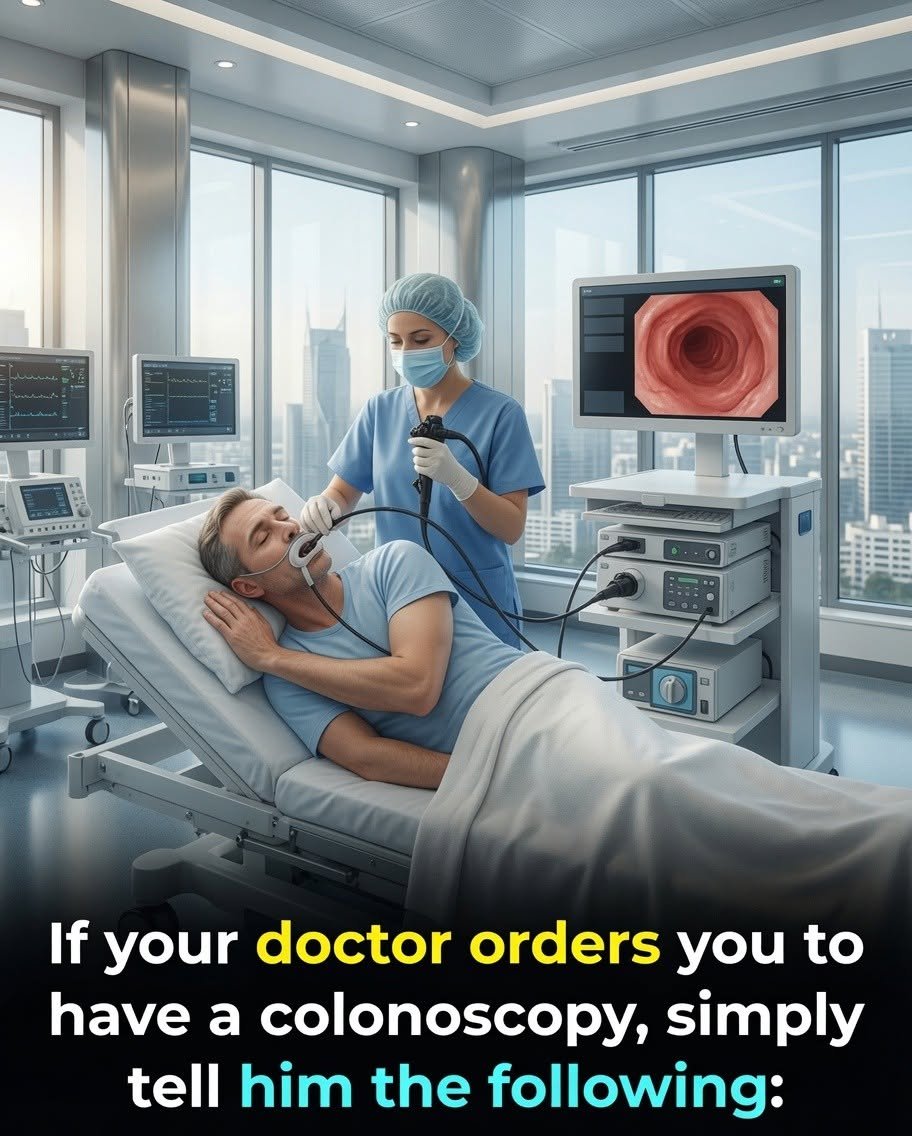
Before a colonoscopy, one of the most useful questions to ask your doctor is: “Exactly how should I prepare, and what medicines or supplements should I change or continue before the procedure?” Proper bowel preparation is essential because the doctor needs a clear view of the colon. If preparation is inadequate, important areas may be difficult to examine and the procedure may need to be repeated. Preparation instructions can include temporarily changing your diet, following a clear-liquid plan, and taking a prescribed bowel-cleansing solution at specific times. (niddk.nih.gov) Because preparation instructions can vary depending on the medical center, the procedure time, and your health history, it is safer to follow your own doctor’s instructions rather than relying on a generic internet checklist.
Medication planning is particularly important. Tell your healthcare team about every prescription medicine, over-the-counter medication, vitamin, and supplement you take. Some medicines—especially blood thinners, diabetes medications, iron supplements, and certain other drugs—may require specific instructions before a colonoscopy. However, you should never stop a prescribed medication on your own simply because you are having a procedure. Your doctor will determine whether a medication should be continued, adjusted, or temporarily stopped based on your individual risks. (asge.org) It is also worth asking what type of sedation or anesthesia will be used, whether you need someone to take you home, and when you can return to normal eating, driving, work, and medication schedules afterward.
A simple conversation before the procedure can prevent unnecessary confusion and improve preparation. Consider asking: “What exactly should I eat and drink the day before, when should I start the bowel preparation, which medications should I take, and what symptoms afterward would require medical attention?” Understanding the plan in advance can make the process considerably less stressful. If the preparation causes severe vomiting, you cannot keep fluids down, or you are unsure whether you have completed the bowel cleansing properly, contact your healthcare team for guidance rather than improvising. Colonoscopy is widely used to investigate digestive symptoms and screen for colorectal cancer and can also allow doctors to remove certain polyps during the procedure. (cancer.gov) Disclaimer: This article is for general educational purposes only and does not constitute medical diagnosis, treatment, or personalized procedural advice. Colonoscopy preparation differs between patients and healthcare facilities, and medication instructions can be especially important. Always follow the specific instructions provided by your doctor or endoscopy team and verify any uncertain information directly with them.
Leave a Reply