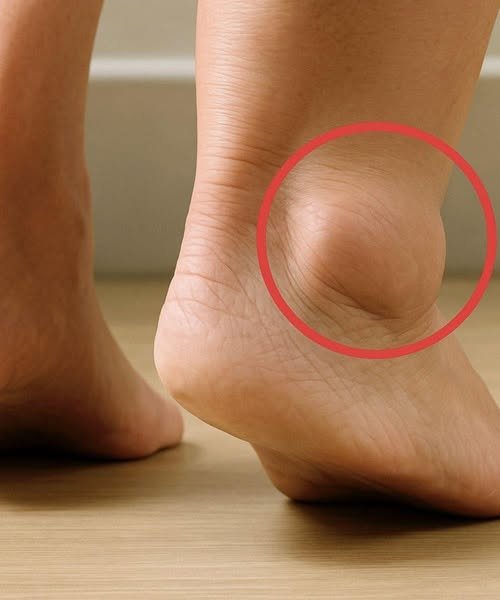
Swelling in the lower legs, ankles, and feet—medically known as peripheral edema—is a common symptom that can range from minor fluid retention to an indicator of an underlying health issue. Online claims often link leg swelling directly to severe conditions like heart failure or chronic disease. While fluid buildup in the lower extremities can indeed point to cardiovascular, liver, or kidney dysfunction, it is just as frequently caused by simple lifestyle factors, extended periods of sitting or standing, high sodium intake, or hormonal fluctuations.
Underlying medical conditions that cause leg swelling typically involve the body’s fluid regulation systems. Cardiovascular conditions, such as congestive heart failure or venous insufficiency, can prevent blood from pumping efficiently back to the heart, causing fluid to pool in the lower legs. Similarly, kidney disease can impede the body’s ability to excrete excess fluid and sodium, while liver conditions can affect protein levels in the blood, leading to fluid leakage into surrounding tissues. Other common causes include localized inflammation, blood clots (deep vein thrombosis), or side effects from certain medications like blood pressure drugs.
Evaluating swollen legs involves paying attention to how quickly the swelling develops and whether it affects one or both legs. Sudden swelling in a single leg accompanied by pain or warmth requires immediate medical evaluation to rule out a blood clot. For mild, symmetrical swelling caused by prolonged sitting, simple measures like elevating your feet, wearing compression socks, reducing salt intake, and staying active can encourage proper circulation and alleviate fluid retention.
Leave a Reply