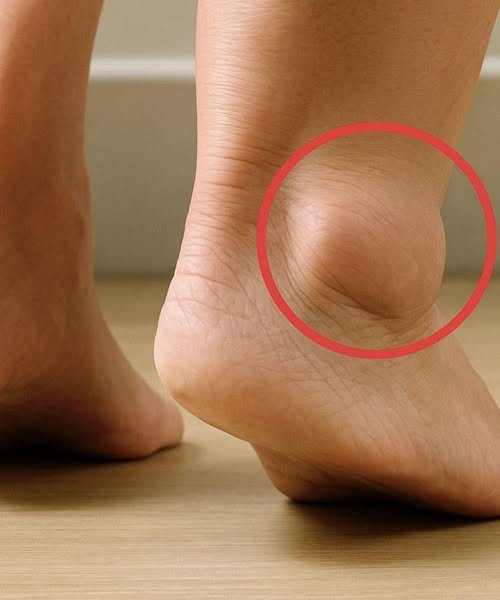
Viral social media clickbait often uses incomplete, frightening headlines like “If you notice your legs are swollen, that’s a sign of ca…” accompanied by a red circle to suggest an impending cancer diagnosis or acute emergency. In medical reality, swelling in the lower legs, ankles, and feet—known clinically as peripheral edema—is an extremely common physiological response caused by fluid retention in the bodily tissues. While severe underlying conditions do exist, the vast majority of swollen ankles stem from everyday, treatable lifestyle factors rather than terminal disease.
Common Reasons for Lower Leg and Ankle Swelling
- Gravity and Extended Immobility: Sitting or standing for prolonged periods—such as during long flights, desk work, or extended shifts—causes fluid to pool naturally in the lower extremities due to gravity and reduced muscle contractions.
- Venous Insufficiency and Vascular Health: Weakened valves in the leg veins struggle to pump blood efficiently back toward the heart, leading to fluid accumulation, varicose veins, or localized pressure in the feet and ankles.
- Dietary Sodium and Medication Side Effects: High dietary salt intake causes the body to retain excess water, while common prescription medications—including blood pressure drugs (calcium channel blockers), NSAIDs, and corticosteroids—frequently induce mild edema.
When Medical Evaluation is Warranted
While occasional swelling after a long day is benign, chronic or severe swelling should be evaluated by a healthcare professional to check cardiovascular, liver, or kidney function. Immediate medical attention is necessary if swelling appears suddenly in only one leg accompanied by pain, warmth, or redness, as this can indicate a deep vein thrombosis (DVT) blood clot. Likewise, fluid retention accompanied by shortness of breath or chest discomfort requires prompt emergency care.
Leave a Reply