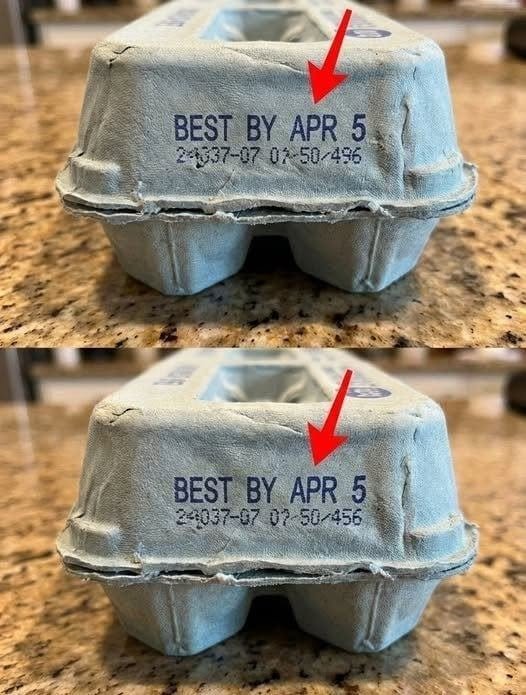
Understanding how to read egg carton codes empowers consumers to make smarter food purchasing decisions and secure peak agricultural quality. While most shoppers focus exclusively on the printed “Best By” date, the lesser-known Julian date code printed underneath provides the actual day the eggs were washed and packed. This three-digit code ranges from 001 for January 1st to 365 for December 31st. Identifying this crucial numerical indicator ensures you purchase the absolute freshest stock available at retail stores, avoiding older inventory that may sit on display racks longer.
The distinction between the pack date and the printed expiration date is significant for consumer food safety and smart household budgeting. Eggs remain safe to consume for several weeks beyond their official sell-by date when properly refrigerated at ideal temperatures. By locating the three-digit Julian pack date stamped beside the plant code, consumers can accurately track total storage duration rather than prematurely discarding safe, usable produce. Mastering this industry coding method optimizes kitchen economics, reduces unnecessary household food waste, and elevates culinary results through superior ingredient selection.
Implementing precise grocery inspection habits allows buyers to maximize product value and maintain optimal family nutrition standards. When selecting egg cartons, comparing the Julian dates among available packages reveals the freshest batch direct from the processing facility. Storing eggs in their original carton on an interior refrigerator shelf—rather than in the door—further preserves internal humidity and quality. Utilizing these professional grocery evaluation techniques guarantees consumer satisfaction, enhances food safety compliance, and improves everyday meal preparation efficiency.
Leave a Reply