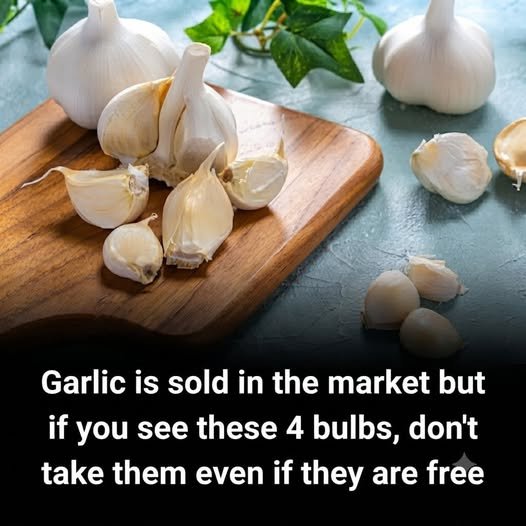
Not every garlic bulb is worth taking home, even when it is offered for free. Fresh garlic should feel firm, dry, and reasonably heavy for its size, with clean, intact skin. Bulbs showing visible mold, severe softness, leaking areas, or signs of decay are better discarded rather than brought into your kitchen. These warning signs can indicate spoilage, and damaged garlic may deteriorate quickly.
When choosing garlic, examine the entire bulb instead of judging it only by appearance. First, avoid garlic with visible mold, particularly fuzzy green, blue, black, or white growth. Mold can indicate deterioration, and cutting away one visibly affected section does not necessarily make the rest of the bulb suitable for use. Second, avoid bulbs that are unusually soft, mushy, or collapsing. Fresh garlic cloves should generally feel firm beneath the papery skin. Softness can indicate moisture damage or advanced spoilage. Third, be cautious with garlic showing dark, wet, sunken, or rotten-looking areas. A small natural discoloration is not automatically dangerous, but extensive deterioration is a reason to choose another bulb. Fourth, reject garlic that has an unpleasant rotten, fermented, or unusually strong odor. Fresh garlic naturally has a distinctive smell, so the concern is a clearly abnormal odor accompanied by softness, moisture, or decay. Garlic that has begun sprouting deserves a different distinction: green shoots do not necessarily mean the garlic is spoiled. Sprouted cloves can generally still be used if they remain firm and show no mold or decay, although the flavor may become sharper or more bitter. Proper storage also matters. Garlic generally keeps better in a cool, dry, well-ventilated place rather than in a sealed container where moisture can accumulate.
The best shopping strategy is simple: choose firm, dry, clean bulbs and inspect them before purchasing or accepting them. If garlic has obvious mold or significant decay, there is little benefit in taking it simply because it is free. Food waste can be frustrating, but preventing spoiled food from entering your kitchen is a sensible food-safety habit. Once you bring healthy garlic home, store it appropriately and inspect individual cloves again before cooking. Remember that the viral claim suggesting there are exactly “four garlic bulbs you should never take” is not a recognized food-safety rule; the important issue is the condition of the individual garlic. When in doubt about severely spoiled produce, follow guidance from reputable food-safety authorities rather than relying on social-media lists. A few seconds of inspection can help you avoid unpleasant surprises and keep your kitchen stocked with fresher ingredients.
Leave a Reply