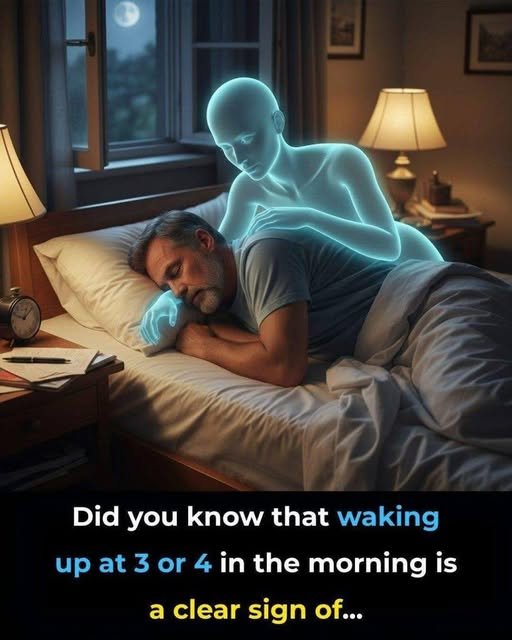
Waking up at 3 or 4 a.m. is not, by itself, a clear sign of one specific illness. Nighttime awakenings are common, and occasional early waking can happen because of stress, an uncomfortable room, changes in sleep schedule, caffeine, alcohol, noise, or simply normal changes in sleep patterns. Insomnia can include repeatedly waking during the night or waking too early and being unable to fall back asleep. Your body’s internal circadian clock also influences when you naturally become sleepy and awake, so waking at a similar time every night does not automatically mean something is wrong.
However, persistent nighttime waking can sometimes be associated with an underlying sleep or health problem. For example, sleep apnea may repeatedly interrupt sleep and can cause symptoms such as loud snoring, gasping, dry mouth, morning headaches, and difficulty staying asleep. Stress and anxiety are also common contributors to insomnia, while caffeine, nicotine, alcohol, certain medications, pain, reflux, thyroid problems, and the need to urinate during the night can interfere with sleep. This is why waking at exactly 3 a.m. should not automatically be interpreted as a warning sign of a particular organ problem or disease. The pattern and accompanying symptoms matter much more than the clock time itself.
If you regularly wake at 3 or 4 a.m. and cannot get back to sleep, feel exhausted during the day, snore loudly, wake gasping, or experience the problem several nights a week, consider discussing it with a healthcare professional. Keeping a sleep diary can help identify patterns involving bedtime, awakenings, caffeine, alcohol, medications, and daytime symptoms. Maintaining a consistent sleep schedule, limiting caffeine later in the day, avoiding alcohol close to bedtime, and keeping the bedroom dark and comfortable may also help. Disclaimer: This article is for general educational and informational purposes only and does not constitute medical advice, diagnosis, or treatment. Waking at 3 or 4 a.m. does not by itself diagnose any disease. Always verify health claims through reliable medical sources and consult a qualified healthcare professional if sleep disruption is persistent, severe, or accompanied by concerning symptoms.
Leave a Reply