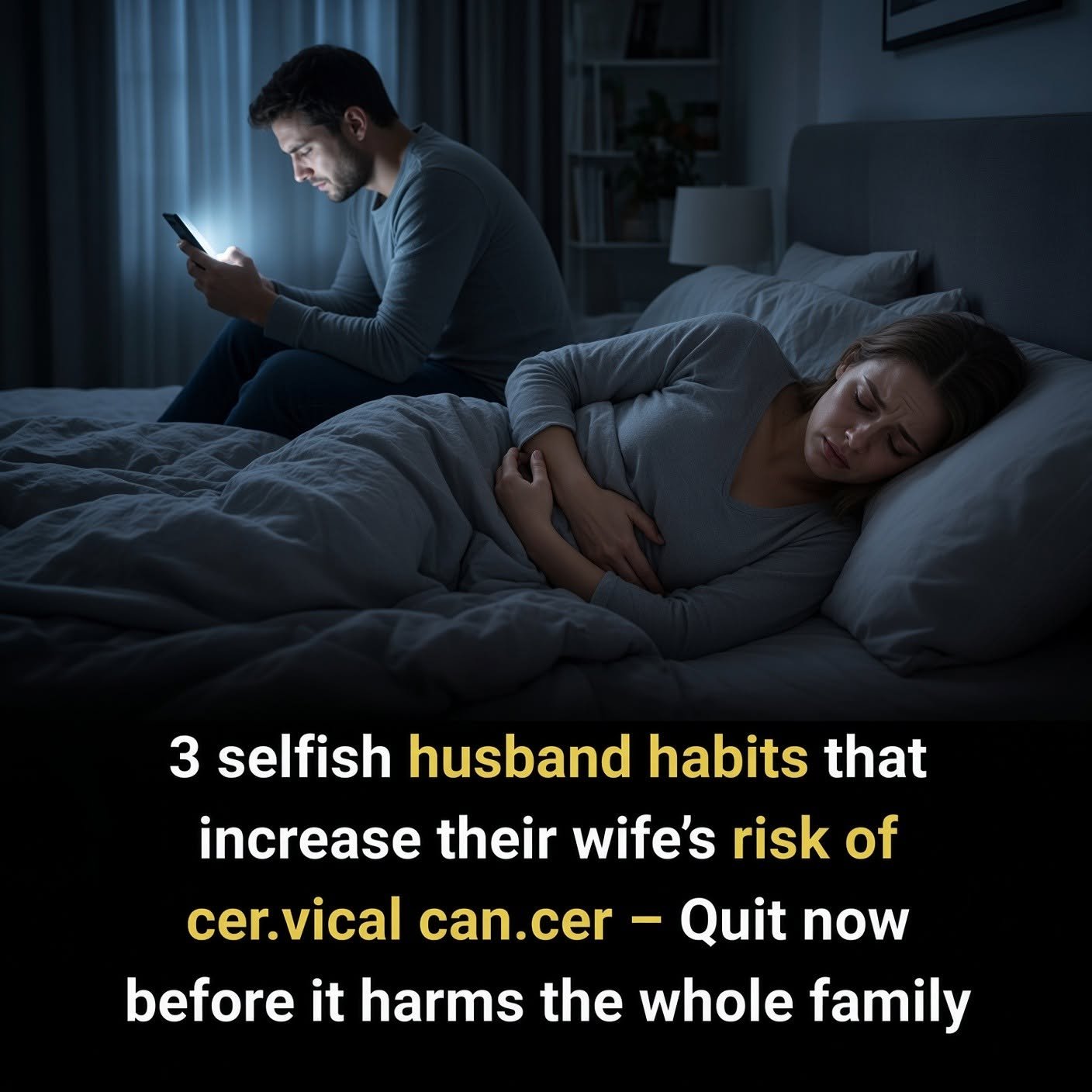
A husband’s personal habits cannot directly “cause” cervical cancer in his wife, but certain behaviors can increase the likelihood of HPV exposure, which is the primary cause of almost all cervical cancers. Human papillomavirus (HPV) is commonly transmitted through sexual contact, and many infections disappear naturally without causing lasting problems. However, when a high-risk HPV infection persists, it can gradually produce abnormal cervical cells that may eventually develop into cancer. The World Health Organization estimates that almost all cervical cancer cases are linked to persistent infection with high-risk HPV types. A partner with multiple previous sexual partners, for example, may have had more opportunities to encounter HPV, potentially increasing the chance of transmission. This is not an accusation of infidelity or proof that someone currently has HPV—HPV can remain undetected for years, and its presence does not establish when or from whom an infection was acquired.
Another important issue is tobacco smoke. Research and public-health guidance identify smoking as a risk factor for cervical cancer, and exposure to secondhand smoke may also increase risk. The National Cancer Institute explains that smoking or breathing secondhand smoke can increase the likelihood that an HPV infection will progress toward cervical cancer. Other sexually transmitted infections and weakened immune function can also influence the persistence or progression of HPV. Couples can reduce some risks by practicing safer sex, avoiding tobacco, and discussing appropriate HPV vaccination and screening with healthcare professionals. Condoms can lower HPV transmission risk, although they cannot provide complete protection because HPV can infect skin that condoms do not cover. These steps are not about assigning blame; they are about protecting both partners’ long-term health.
The most powerful protection remains HPV vaccination and regular cervical screening. Screening can identify precancerous changes before they develop into invasive cancer, while HPV vaccination can prevent infection with major cancer-causing HPV types. Women should follow the cervical-screening schedule recommended by their healthcare provider and local medical guidelines, even if they feel completely healthy because early precancerous changes often produce no symptoms. Disclaimer: This article is for general educational and informational purposes only and does not constitute medical diagnosis, treatment, or personalized health advice. Cervical cancer is primarily caused by persistent high-risk HPV infection, and no spouse’s single habit should be presented as a direct cause of cancer. Some online claims may be exaggerated, incomplete, or unauthenticated. Always verify important health information through reliable medical sources and consult a qualified healthcare professional regarding HPV vaccination, screening, or individual risk.
Leave a Reply