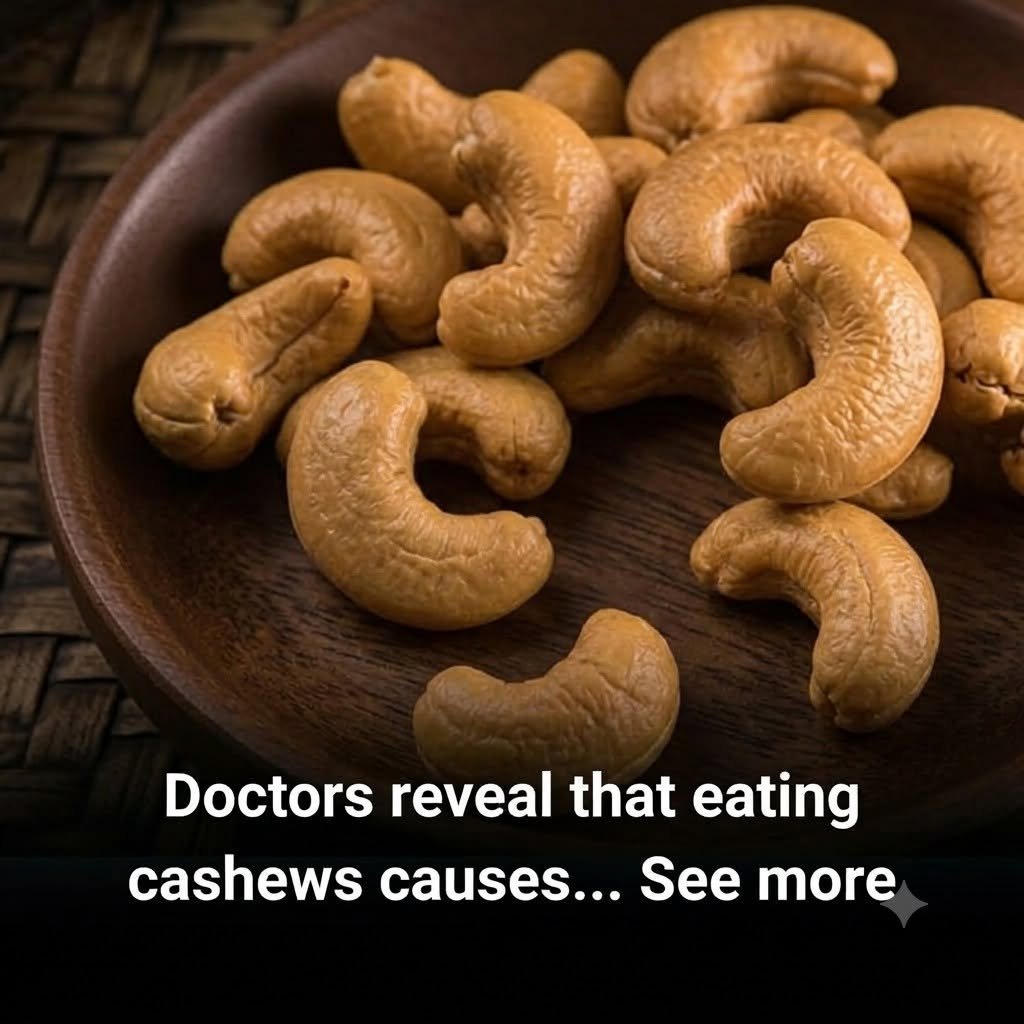
Cashews are more than just a crunchy snack. A small handful—about 28 grams or roughly 18 cashews—provides protein, healthy unsaturated fats, magnesium, copper, phosphorus, and other nutrients. Regularly choosing nuts as a replacement for less nutritious snacks may support overall cardiovascular health. Large observational studies have associated frequent nut consumption with a lower risk of cardiovascular disease, although these studies cannot prove that nuts alone caused the benefit. Cashews may also influence cholesterol levels: in a controlled trial, people who consumed cashews for four weeks experienced modest reductions in total and LDL (“bad”) cholesterol compared with a control snack. These findings suggest that appropriately portioned cashews can be a valuable addition to a balanced eating pattern.
Inside the body, cashews provide nutrients involved in several normal functions. Their magnesium contributes to normal muscle and nerve function, while copper supports connective tissue, energy production, and other biological processes. Their unsaturated fats can also be preferable to fats found in many highly processed snack foods. However, cashews are relatively calorie-dense, with about 163 calories per ounce, so eating large quantities in addition to regular meals can increase total calorie intake. For a healthier everyday option, choose plain or lightly roasted cashews instead of varieties heavily coated with sugar or excessive salt. A practical approach is to use a small handful as a replacement for chips, sweets, or other less nutritious snacks rather than simply adding extra calories to your existing diet.
The biggest takeaway is that cashews can be part of a nutritious diet, but they are not a miracle food. Their potential benefits are most meaningful when they replace less healthy foods within an overall balanced eating pattern that includes vegetables, fruits, whole grains, legumes, and other nutritious protein sources. People with a tree-nut allergy should avoid cashews, and anyone with a medical condition requiring specific dietary restrictions should follow individualized professional advice. Also, commercially sold “raw” cashews have undergone processing; truly unprocessed cashew kernels are not considered safe because of naturally occurring urushiol. Disclaimer: This article is for general educational and informational purposes only and does not constitute medical diagnosis, treatment, or personalized nutritional advice. The effects of cashews can vary between individuals, and some health claims online may be general, exaggerated, or unauthenticated. Always verify important nutrition information through reliable medical sources and consult a qualified healthcare professional before making significant dietary changes.
Leave a Reply