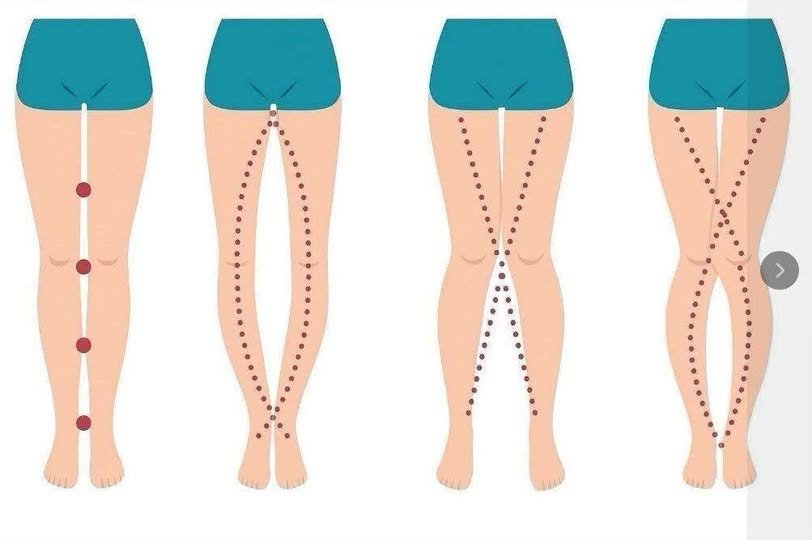
A woman’s legs can sometimes provide useful clues about her overall health, although they cannot reveal a person’s personality, fertility, sexual history, or relationship status. Changes in the legs may reflect circulation, muscle strength, skin health, fluid balance, or other medical factors. For example, persistent swelling around the ankles or lower legs can sometimes be associated with prolonged standing, certain medications, vein problems, or conditions affecting the heart, kidneys, or liver. (nhs.uk) Visible varicose veins may occur when veins have difficulty returning blood efficiently to the heart, while sudden swelling affecting only one leg can have a different and potentially more urgent cause. (nhs.uk) These signs should therefore be viewed as possible health clues rather than definitive diagnoses.
The strength and function of the legs can also tell us something about physical health. Muscle strength naturally changes with age, but maintaining lower-body strength is important for mobility, balance, and independence. Regular activities such as walking, climbing stairs, cycling, and appropriately designed strength exercises can help maintain muscle function. (cdc.gov) Skin changes can also deserve attention. Persistent discoloration, sores that do not heal, unusual warmth, severe dryness, or changes in sensation may sometimes indicate circulation or nerve-related problems. People with diabetes, for example, need to pay particular attention to their feet and lower limbs because nerve damage and reduced circulation can increase the risk of injuries and slow healing. (cdc.gov)
One important warning sign is sudden swelling, pain, warmth, or redness in one leg, especially when it develops without an obvious injury. These symptoms can occur with deep-vein thrombosis (DVT), a blood clot that requires prompt medical assessment. (nhs.uk) If leg swelling is accompanied by sudden chest pain, difficulty breathing, or coughing up blood, emergency medical care is necessary because a clot can travel to the lungs. Otherwise, persistent or unexplained leg changes should be discussed with a healthcare professional rather than interpreted from appearance alone. Disclaimer: This article is for general educational and health information only and does not constitute medical diagnosis or personalized advice. The appearance or shape of a woman’s legs cannot reliably reveal her character, sexual history, fertility, or other personal traits. Always verify health claims through reliable medical sources and consult a qualified healthcare professional about new, persistent, painful, or sudden changes in the legs.
Leave a Reply