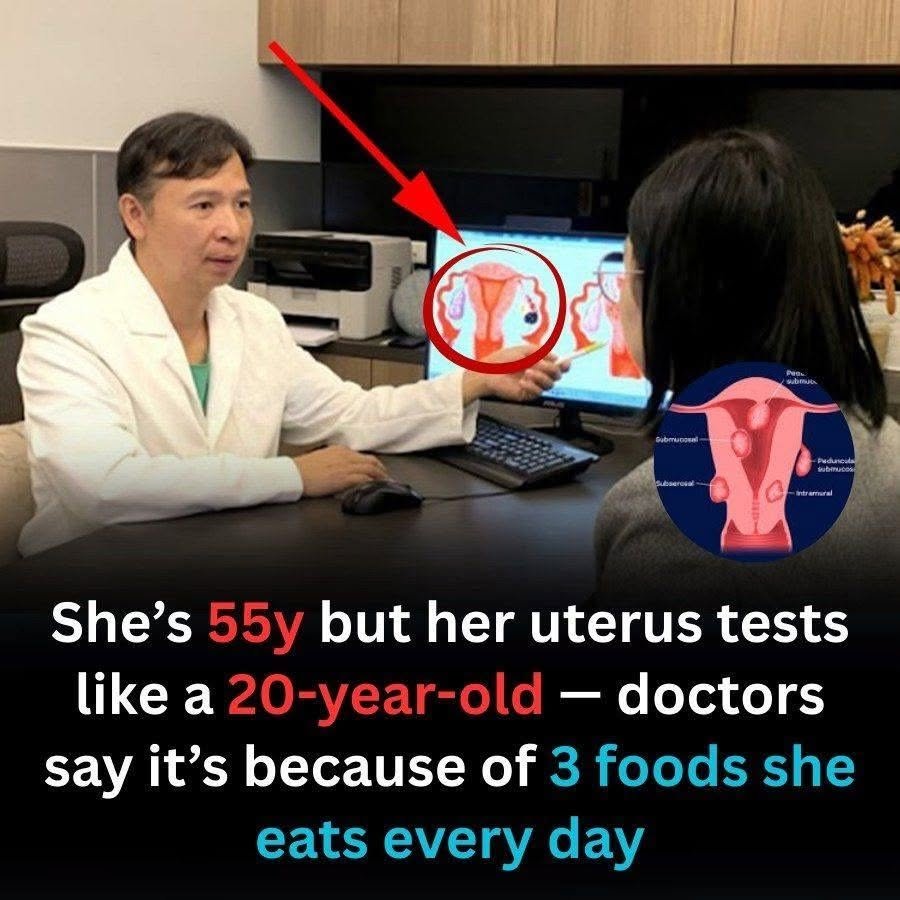
Claims that a 55-year-old woman can have a uterus “as young as a 20-year-old” simply by eating three foods are not supported by reliable medical evidence. Menopause naturally brings major hormonal changes, particularly a decline in estrogen, and these changes can affect reproductive tissues, bones, muscles, metabolism, and skin. The American College of Obstetricians and Gynecologists explains that menopause can cause vaginal dryness and changes in vaginal tissues, while hormone therapy—not specific foods—is an established medical option for certain menopausal symptoms. (acog.org) Nutrition can certainly support healthy aging, but it cannot literally reverse the biological age of the uterus. A healthy eating pattern may instead help provide nutrients needed for bones, muscles, cardiovascular health, and overall wellbeing after menopause.
Three particularly valuable food groups are calcium-rich foods, soy foods, and colorful fruits and vegetables. Yogurt, milk, fortified alternatives, leafy greens, and other calcium-containing foods help support bone health, which becomes increasingly important after menopause. (womenshealth.gov) Soy foods such as tofu, edamame, and soy milk contain isoflavones, plant compounds that have been studied for their potential effects on some menopausal symptoms, although results vary and they should not be viewed as a replacement for medical treatment. (acog.org) Meanwhile, colorful vegetables and fruits provide fiber, vitamins, minerals, and antioxidant compounds that contribute to a nutritious dietary pattern. Foods containing healthy fats and omega-3 fatty acids—such as salmon, sardines, walnuts, and flaxseed—can also be valuable additions to a balanced menopause-friendly diet. (eatright.org)
The idea of “glowing, firm skin” from three magic foods should also be treated cautiously. Good nutrition, hydration, adequate protein, regular exercise, sufficient sleep, and sun protection can all contribute to healthier-looking skin, but no single food can guarantee youthful skin or restore a person’s biological age. After menopause, maintaining adequate calcium and vitamin D, eating a balanced diet, and staying physically active are especially important for long-term health. (nia.nih.gov) The best approach is therefore to build a varied, nutrient-dense diet rather than depend on viral claims about miracle foods. Disclaimer: This article is for general educational and informational purposes only and does not constitute medical diagnosis, treatment, or personalized nutritional or hormonal advice. The claim that specific foods can make a 55-year-old uterus “as young as” a 20-year-old is not established medical fact, and some online information may be general, exaggerated, or unauthenticated. Always verify important health claims through reliable medical sources and consult a qualified healthcare professional regarding menopause, hormonal symptoms, or reproductive health.
Leave a Reply