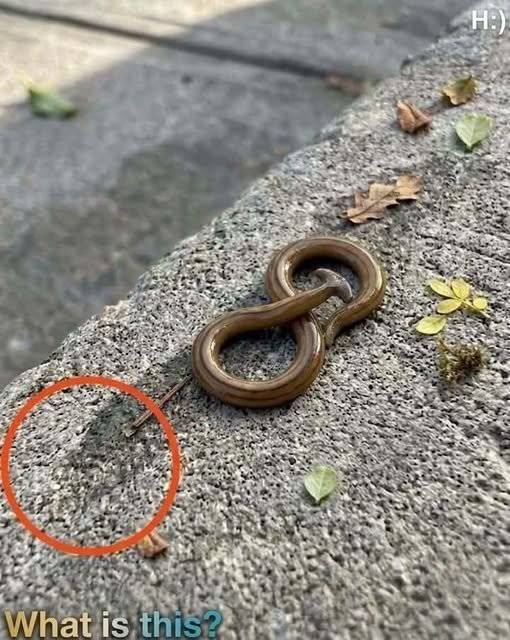
At first glance, a strange worm-like creature with what appears to be a piece of grass attached to its head can look almost unreal. However, there are several insects and caterpillars that use camouflage and plant material as natural protection. Some caterpillars resemble grass, twigs, leaves, or other pieces of vegetation, making them much harder for birds and other predators to detect. Entomology resources describe numerous caterpillars that hide among grasses or construct shelters from pieces of leaves and debris. In some cases, what looks like grass stuck to the animal may actually be part of a protective shelter or camouflage structure attached with silk. This clever behavior allows the larva to blend into its surroundings while it rests or feeds.
One possibility is a grass-associated caterpillar, such as a sod webworm or another grass-feeding moth larva. Sod webworm caterpillars can hide in silk-lined shelters containing grass blades and other debris, and they often remain concealed during the day before emerging to feed at night. Other caterpillars can look surprisingly similar to blades of grass or small sticks, making identification difficult without a clear photograph. Some species even deliberately imitate plant material as a defense mechanism against predators. The exact species, however, cannot be identified confidently from a written description alone because many unrelated insects can have similar appearances.
If you encounter something like this, take a close-up photograph from several angles before disturbing it. Include a picture showing the entire body, another showing the head, and ideally one showing where you found it—such as grass, soil, a tree, or a garden plant. Avoid touching unfamiliar caterpillars with bare hands because some species have hairs or structures that can irritate the skin. A good photograph can often reveal whether the “grass” is actually attached camouflage, a leaf shelter, or simply vegetation caught on the insect. Disclaimer: This article is for general educational and informational purposes only. Without a clear photograph and location information, the creature cannot be reliably identified, and similar-looking insects can belong to completely different species. Always verify an identification through a reputable entomology or wildlife source before handling an unfamiliar insect.
Leave a Reply