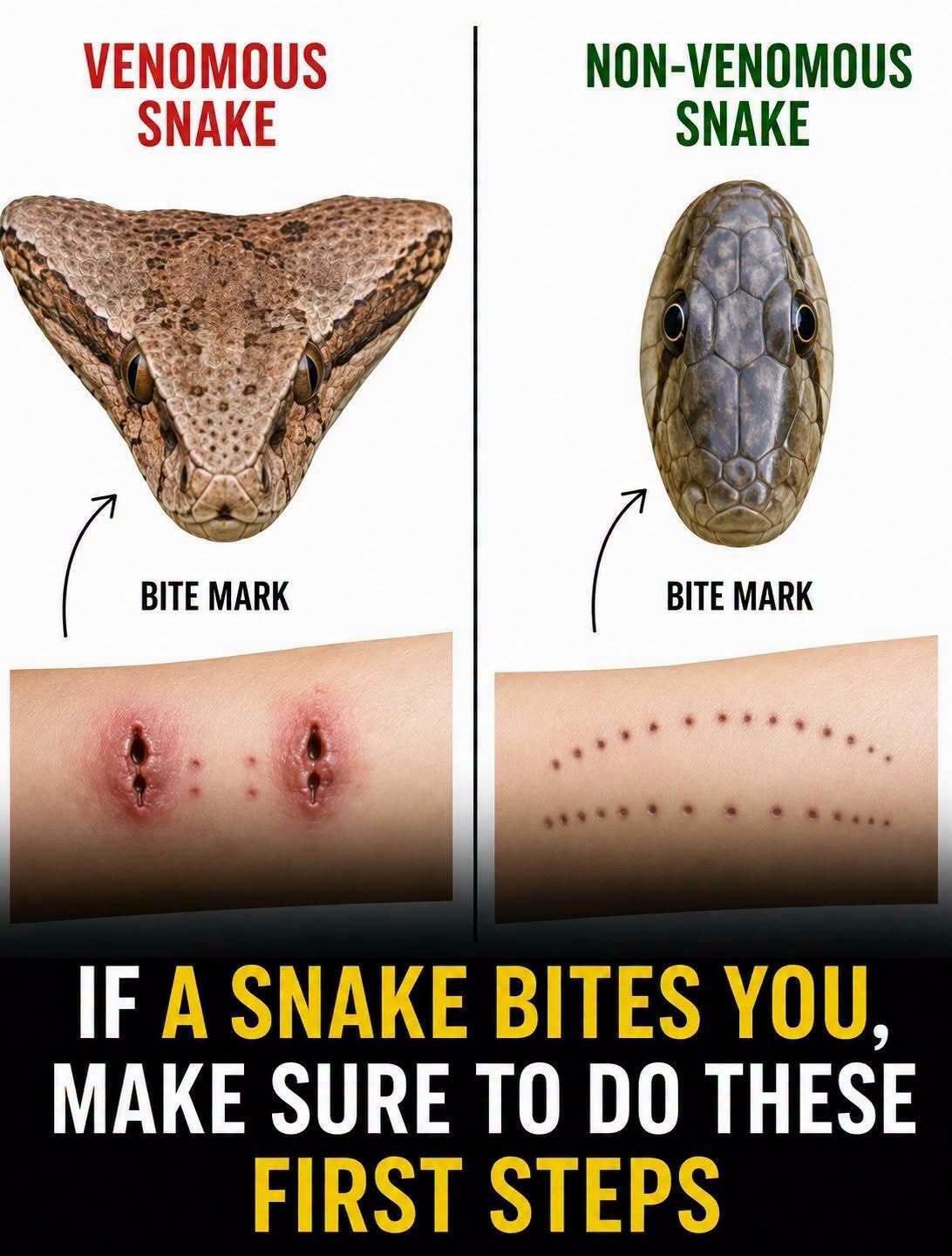
There are several common first-aid mistakes that can make a snake bite more dangerous. Do not cut the wound, suck out venom, apply ice, use a tourniquet, burn the area, or apply chemicals or traditional remedies. These approaches can cause additional tissue damage and generally do not remove venom from the body. Do not consume alcohol or take medicines without appropriate medical guidance, particularly medicines that may increase bleeding risk. Keep the bitten limb as still as reasonably possible and avoid unnecessary walking or physical activity, because movement may potentially contribute to the spread of venom through the body. If vomiting or reduced consciousness occurs, place the person in a safe position that helps protect the airway while waiting for medical assistance. If the person stops breathing and you are trained to provide resuscitation, follow appropriate emergency guidance. Medical professionals may monitor breathing, circulation, neurological function, blood clotting, and other signs depending on the suspected species and clinical situation.
The safest response to a snake bite is therefore calmness, immobilization, and urgent medical evaluation—not home treatment. Symptoms that can occur after venomous bites may include increasing pain or swelling, weakness, dizziness, vomiting, difficulty breathing, vision changes, bleeding, drooping eyelids, or problems with muscle control. However, symptoms vary considerably, and their absence does not prove that a bite is harmless. In regions where venomous snakes are present, knowing the location of nearby emergency facilities and keeping emergency contact information accessible can be valuable. Disclaimer: This article provides general first-aid information and is not a substitute for emergency medical care, diagnosis, or treatment. Snake-bite management can vary by species and location. If someone has been bitten or may have been bitten by a snake, seek urgent professional medical assistance and follow instructions from qualified healthcare providers or local emergency services.
Leave a Reply