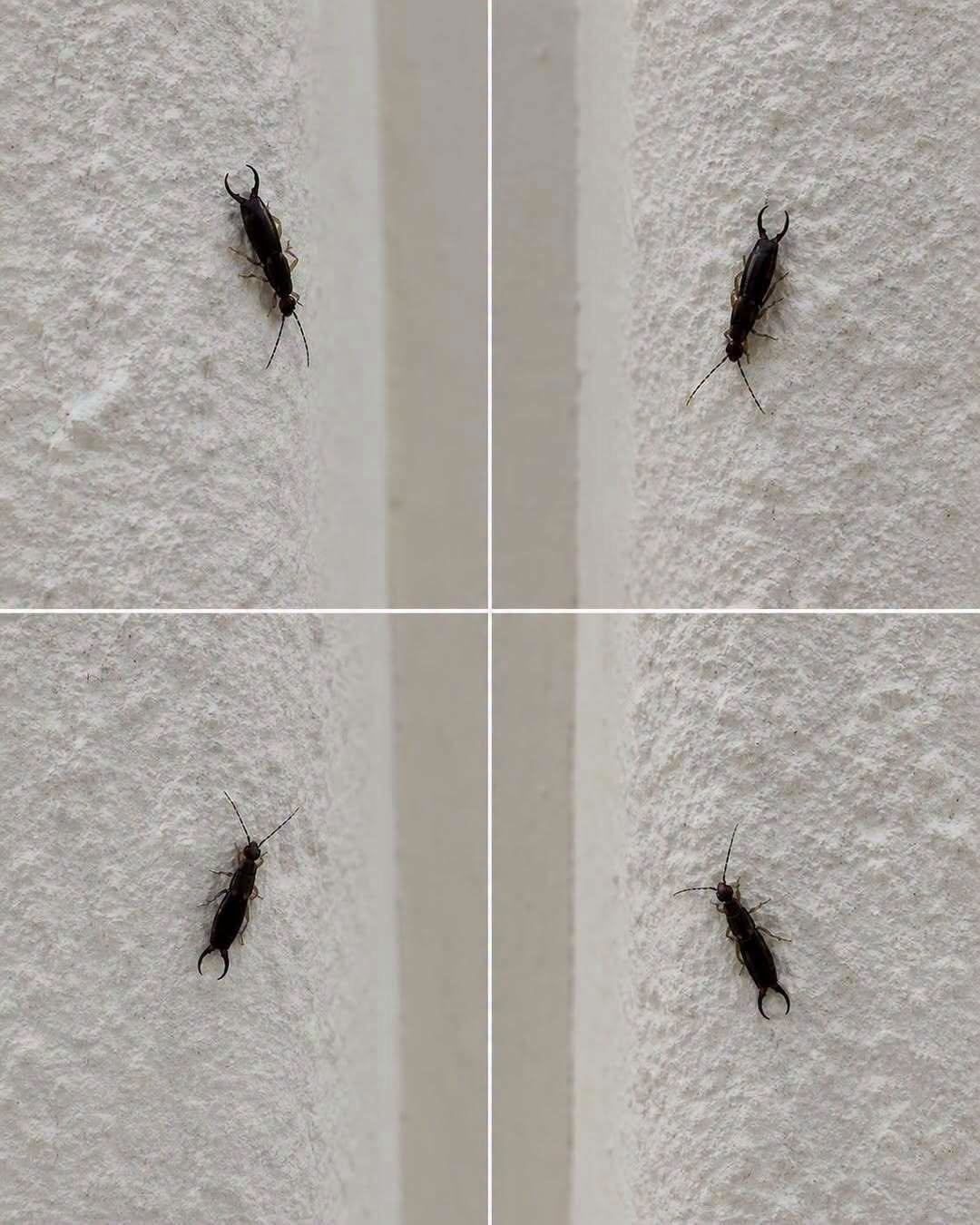
If you repeatedly notice insects indoors, start with simple household improvements. Keep food sealed in airtight containers, clean crumbs and spills promptly, empty garbage regularly, and avoid leaving standing water around sinks or appliances. Inspect window screens, door frames, wall cracks, pipes, and other potential entry points, then seal appropriate gaps where possible. Moisture is especially important because many household pests are attracted to damp environments, so repairing leaks and improving ventilation may help reduce activity. Avoid relying on unverified social-media claims that a specific insect automatically means your home is dangerous or contaminated. Some insects are harmless visitors, while others can become genuine pest problems when their numbers increase. If there is a significant infestation, repeated sightings, property damage, or concern about bites or contamination, a qualified pest-control professional can help identify the species and recommend an appropriate treatment plan.
The key message is simple: one insect does not necessarily mean your house has a serious problem, but repeated or unusual activity is worth investigating. Paying attention to cleanliness, moisture, food storage, and possible entry points can help protect your home and reduce the conditions that attract pests. Rather than immediately using strong chemicals, first determine what insect you are dealing with and whether treatment is actually necessary. If children, pets, or sensitive household members are present, follow product labels carefully and consider professional guidance before applying pesticides. A calm, evidence-based approach is usually more useful than frightening headlines or exaggerated warnings. Disclaimer: This article provides general informational content and does not identify any specific insect or diagnose a pest infestation. Insect behavior and risks can vary by species and location. Verify identification and treatment recommendations through reliable sources or a qualified pest-control professional before taking action.
Leave a Reply