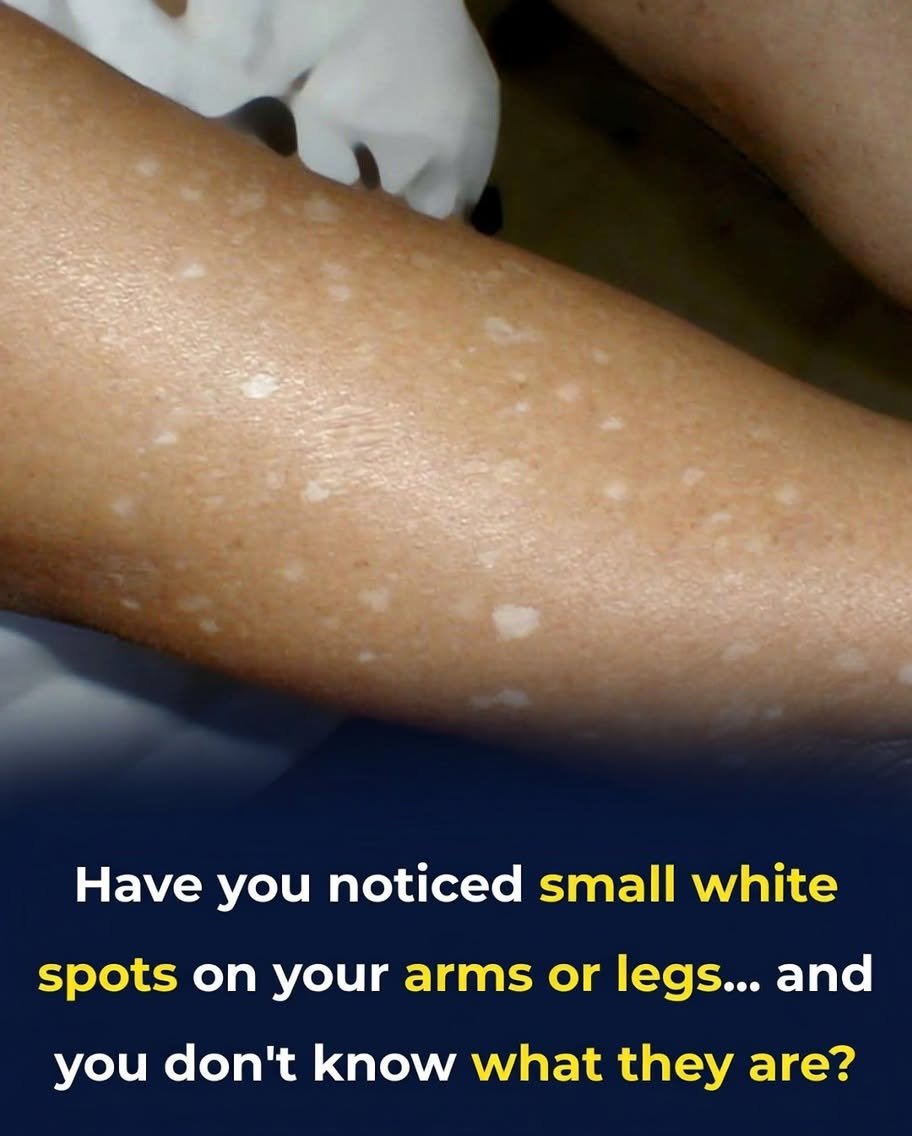
White or unusually light patches on the skin can appear for many reasons, and they do not automatically mean something serious. One well-known cause is vitiligo, an autoimmune condition in which the immune system attacks melanocytes—the cells responsible for producing skin pigment. Vitiligo can cause sharply lighter or completely white patches, often appearing on areas such as the hands, face, feet, or around the mouth and eyes. Another common possibility is tinea versicolor, a superficial yeast infection that can produce lighter or darker patches, particularly on the chest, back, shoulders, and neck. It is common in warm, humid environments and may sometimes cause mild scaling or itching.
Other causes include pityriasis alba, eczema, psoriasis, and changes in pigmentation after an injury, rash, or inflammation. Pityriasis alba is particularly common in children and teenagers and can leave round or oval lighter patches, often on the face or upper body. A light patch can also develop after a skin injury or previous inflammation as the skin temporarily produces less pigment. This is why appearance alone is not enough to determine the cause. Dermatologists may examine the skin under specialized lighting, such as a Wood’s lamp, and consider your medical history and other symptoms before making a diagnosis.
If a white patch is new, enlarging, spreading, repeatedly appearing, or accompanied by scaling, itching, hair losing its color, or other unusual changes, arranging an evaluation with a dermatologist is a sensible step. People with vitiligo may also have a higher likelihood of certain autoimmune conditions, including thyroid disease, although developing another condition is not inevitable. Avoid applying harsh bleaching products or unproven home remedies before knowing the cause, as irritation can make pigmentation problems worse. Disclaimer: This article is for general educational and health information only and does not constitute medical diagnosis, treatment, or personalized advice. White patches have many possible causes, and their appearance alone cannot confirm a specific condition. Always verify important health information through reliable medical sources and consult a qualified dermatologist or healthcare professional about new or persistent skin changes.
Leave a Reply