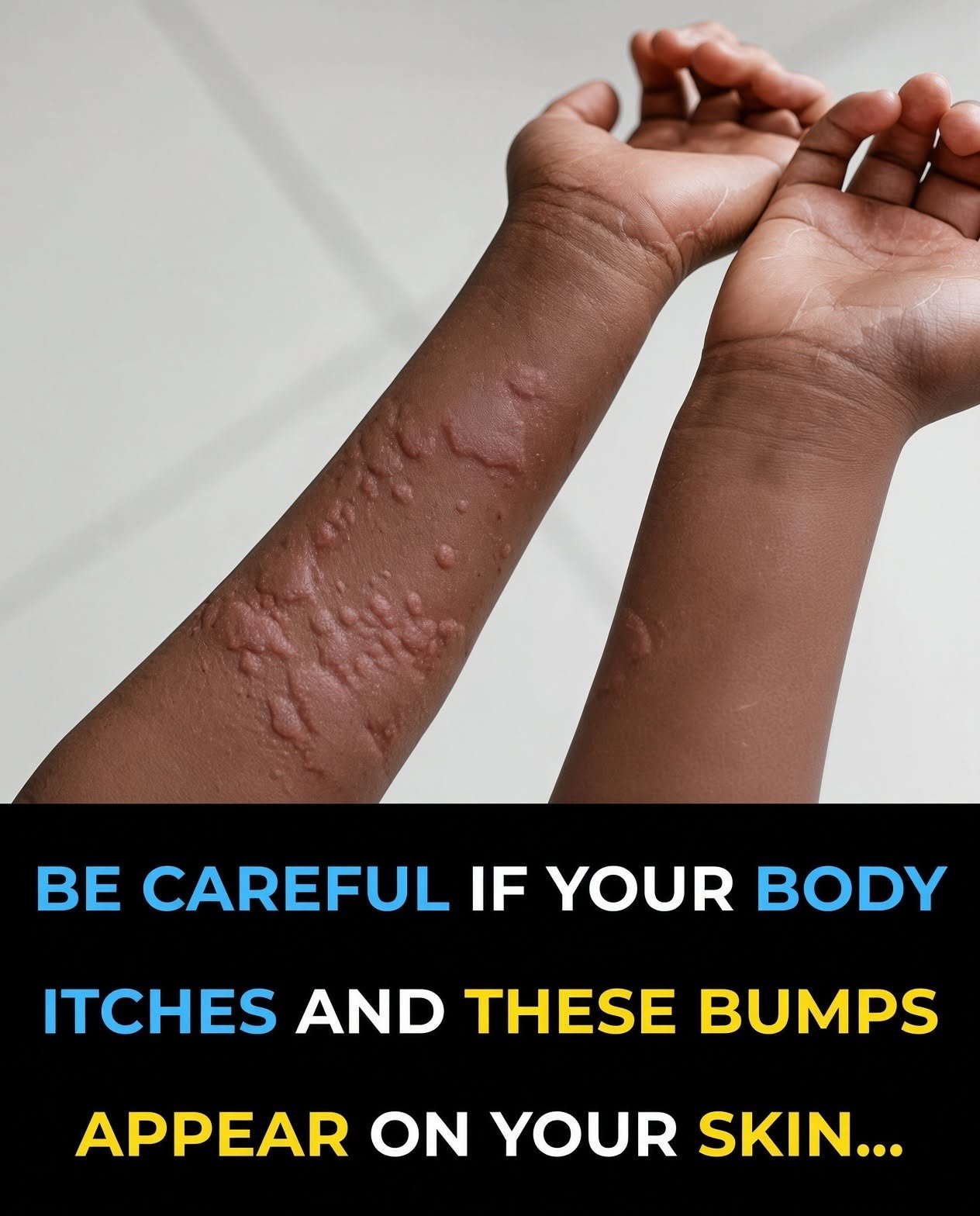
Itchy skin accompanied by unexpected bumps can be uncomfortable and sometimes alarming, but there are many possible explanations. Common causes include dry or irritated skin, allergies, hives, eczema, insect bites, and certain infections. Hives, for example, can appear as raised, itchy bumps or patches that vary in shape and size and may develop after exposure to foods, medicines, infections, heat, or other triggers. Dry skin and eczema can also produce persistent itching, scaling, redness, or irritation, while contact with cosmetics, detergents, plants, or other substances may trigger a skin reaction. Because several conditions can look remarkably similar, it is difficult to determine the exact cause simply by looking at the bumps. Paying attention to when the itching started, where it appears, whether it spreads, and whether you recently changed soaps, medicines, foods, clothing, or other products can provide useful clues.
Another possibility is scabies, a contagious skin condition caused by mites. It commonly produces intense itching that can become worse at night, along with small raised spots or a rash. The hands, particularly between the fingers, wrists, waist, and other areas can be affected. However, itching does not automatically mean that someone has scabies or another parasite. Other possibilities include fungal infections, psoriasis, heat rash, insect bites, and allergic reactions. For mild irritation, simple skin-care habits may help, such as using an unperfumed moisturizer, taking cool or lukewarm showers, avoiding strongly fragranced products, and gently patting rather than scratching the affected area. If the itching is severe, widespread, repeatedly returns, affects daily life, or occurs with a new lump or swelling, medical evaluation is advisable rather than relying on online self-diagnosis.
Certain symptoms require urgent attention. If itchy bumps or a rash suddenly appear together with swelling of the lips, mouth, tongue, or throat, difficulty breathing or swallowing, severe dizziness, confusion, or fainting, these may indicate a serious allergic reaction requiring emergency medical care. For less urgent symptoms, a doctor or dermatologist can examine the skin and determine whether testing or specific treatment is appropriate. Avoid scratching excessively, as broken skin can become infected, and do not apply strong or unfamiliar treatments without appropriate guidance. The most effective approach is to identify the underlying cause rather than simply covering up the symptoms. Disclaimer: This article is intended for general educational and informational purposes only and does not constitute medical diagnosis, treatment, or personalized health advice. Itchy skin and unexpected bumps can have many different causes, and some information may be general or unauthenticated. Always verify important health information through reliable medical sources and consult a qualified healthcare professional about persistent, severe, spreading, or unusual symptoms.
Leave a Reply