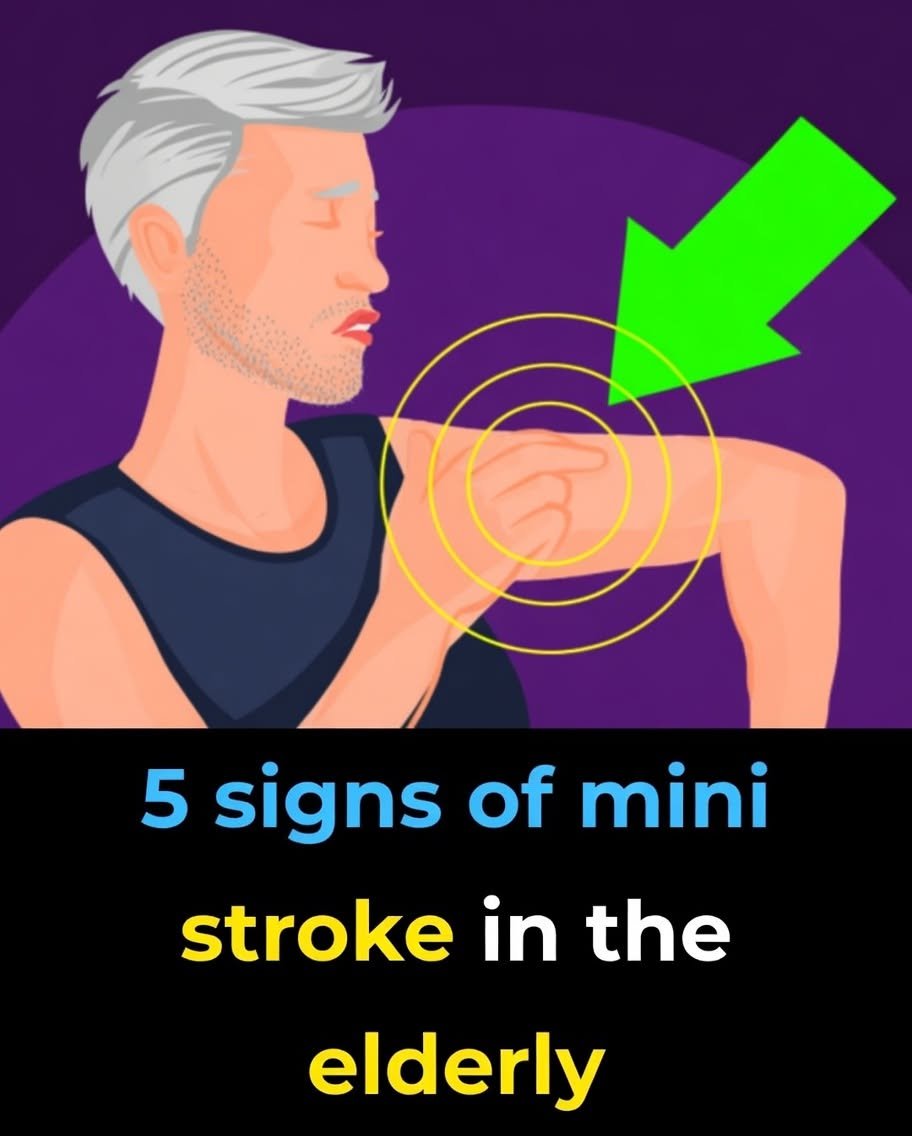
A transient ischemic attack (TIA) is often called a “mini-stroke,” but health professionals increasingly describe it as a warning stroke. It occurs when blood flow to part of the brain is temporarily blocked, producing symptoms similar to those of a stroke. Five important warning signals are 1) sudden weakness or numbness, especially on one side of the body; 2) sudden difficulty speaking or understanding speech; 3) sudden vision changes, including blurred, double, or lost vision; 4) sudden dizziness, loss of balance, or difficulty walking; and 5) a sudden severe headache with no obvious cause. These symptoms can disappear within minutes, which is exactly why people sometimes dismiss them. But disappearing symptoms do not make a TIA harmless.
The critical message is not to wait and see what happens. A TIA and a full stroke can initially look very similar, and it is impossible to reliably determine at home whether symptoms are temporary or permanent. The American Stroke Association recommends urgent medical evaluation even when symptoms disappear. Doctors may use brain and blood-vessel imaging, blood tests, heart monitoring, and other examinations to determine the cause and assess future stroke risk. Remembering B.E. F.A.S.T. can help: Balance problems, Eye or vision changes, Face drooping, Arm weakness, Speech difficulty, and Time to seek emergency help. If any of these symptoms suddenly appear, note the time they started and seek emergency medical attention immediately—even if the person seems completely normal again.
A TIA can provide an important opportunity to identify and treat stroke risk factors before a more serious event occurs. High blood pressure, diabetes, smoking, heart disease, atrial fibrillation, and other vascular problems can increase the risk of TIA and stroke. After evaluation, treatment may include managing blood pressure and cholesterol, controlling diabetes, addressing heart rhythm problems, stopping tobacco use, improving physical activity and diet, and taking prescribed medications when appropriate. Do not take aspirin or other medication on your own during suspected stroke symptoms, because some strokes are caused by bleeding and require different treatment. Disclaimer: This article is for general educational information only and does not constitute medical diagnosis, treatment, or personalized advice. A suspected TIA or stroke is an emergency and should never be managed solely with home remedies or online information. Always verify important health information through reliable medical sources and seek immediate professional care when sudden neurological symptoms occur.
Leave a Reply