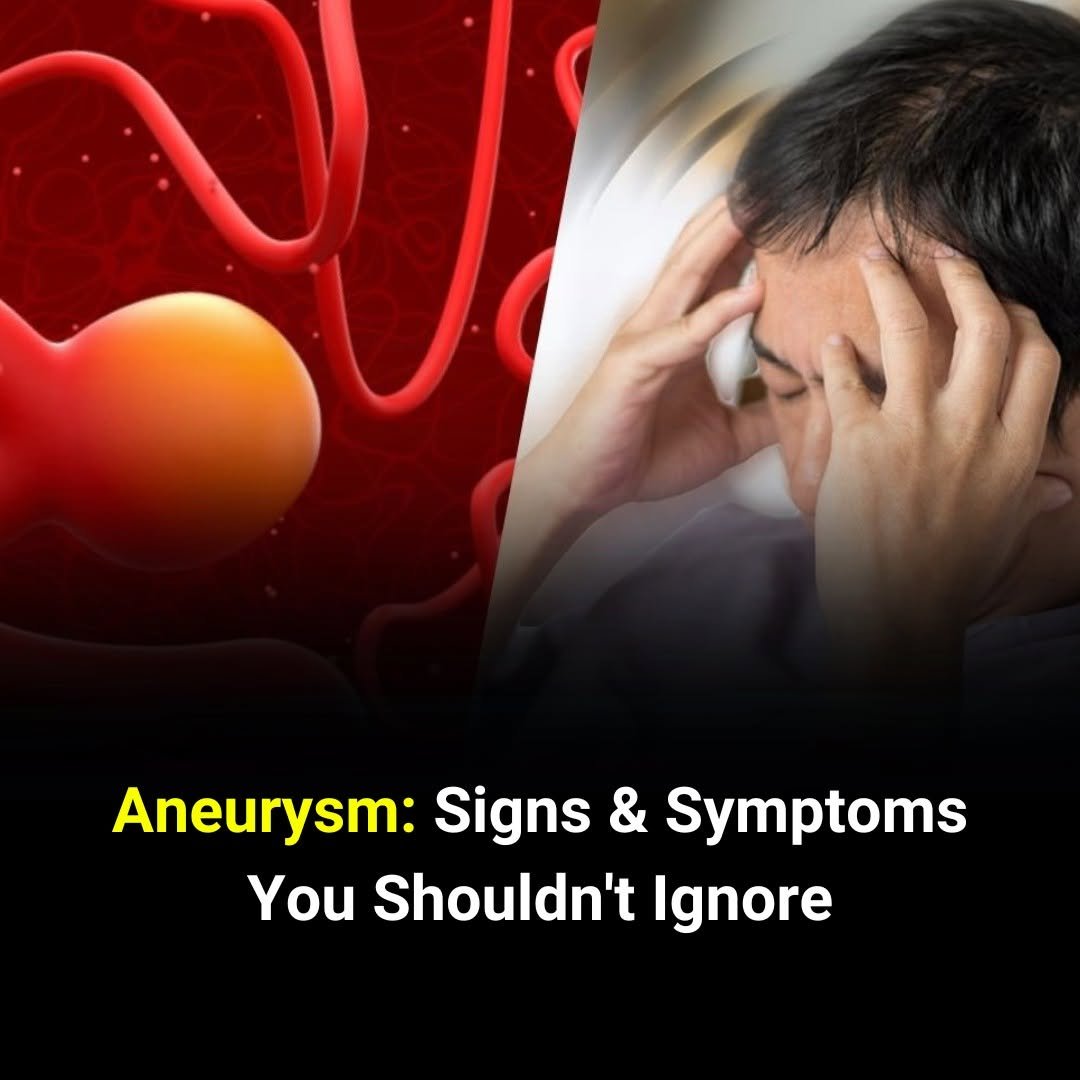
An aneurysm is a weakened area in a blood vessel that can bulge outward, and many aneurysms cause no symptoms until they become complicated. However, if an aneurysm leaks or ruptures, it can become a life-threatening emergency. One of the most recognizable warning signs of a ruptured brain aneurysm is a sudden, extremely severe headache, often described as the worst headache a person has ever experienced. Other possible symptoms include nausea or vomiting, stiff neck, blurred or double vision, sensitivity to light, confusion, seizures, and loss of consciousness. These symptoms should never be dismissed as an ordinary headache, particularly when they begin suddenly and reach severe intensity within seconds or minutes.
Aneurysms can also develop in the aorta, the body’s major artery. A ruptured or dissecting aortic aneurysm may cause sudden, severe pain in the chest, upper back, abdomen, or side of the body. The pain can sometimes radiate toward the jaw, neck, or arms and may occur with difficulty breathing, swallowing problems, sweating, weakness, or a feeling of impending collapse. An abdominal aortic aneurysm that is enlarging may cause persistent abdominal or back pain and a noticeable throbbing sensation near the belly button. These symptoms do not prove that an aneurysm has ruptured, but sudden or severe symptoms require immediate medical assessment rather than waiting to see whether they disappear.
The safest response to a sudden, severe, unusual headache, sudden severe chest or abdominal pain, fainting, seizure, confusion, or significant difficulty breathing is to seek emergency medical care immediately. Do not attempt to drive yourself if you are experiencing potentially life-threatening symptoms. Aneurysm risk can be influenced by factors such as high blood pressure, smoking, family history, and certain inherited conditions, so people with significant risk factors should discuss appropriate evaluation with their healthcare professional. Disclaimer: This article is for general educational and health information only and does not constitute medical diagnosis, treatment, or personalized medical advice. A headache or pain does not automatically mean an aneurysm, and many less-serious conditions can cause similar symptoms. However, sudden or severe symptoms described above can represent a medical emergency and should be evaluated without delay. Always verify important health information through reliable medical sources and consult a qualified healthcare professional.
Leave a Reply