Blog

  • Brittle or Weak Nails May Signal More Than a Beauty Concern

    Brittle or Weak Nails May Signal More Than a Beauty Concern

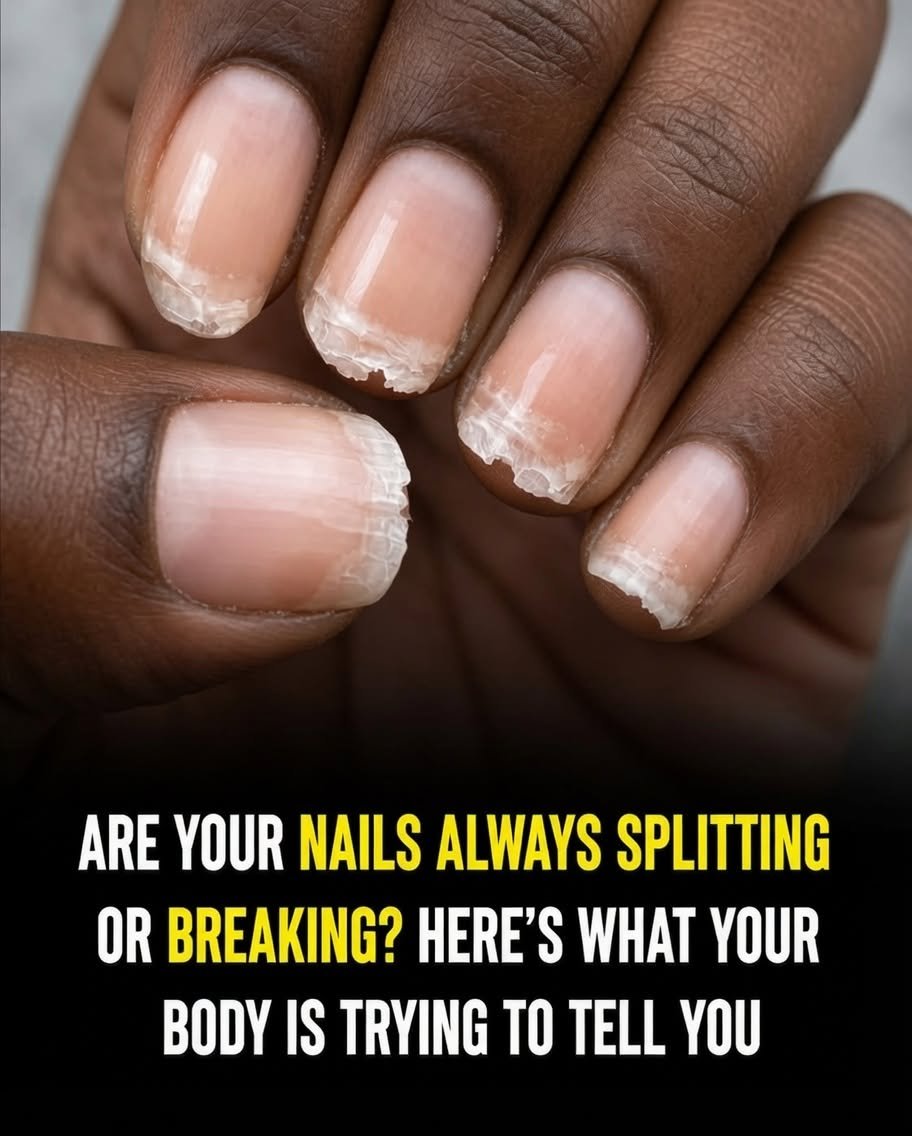
    Brittle, thin, splitting, or unusually weak nails are often treated as a simple cosmetic issue, but persistent nail changes can sometimes provide clues about what is happening elsewhere in the body. Iron deficiency anemia is one recognized cause of brittle nails, and Mayo Clinic lists brittle nails among its possible symptoms. However, weak nails do not automatically mean that someone has an iron deficiency. Everyday factors such as frequent exposure to water, harsh cleaning chemicals, acetone-based nail products, and repeated nail treatments can also contribute to splitting or weakening. Mayo Clinic notes that prolonged contact with water can cause nails to split, while the American Academy of Dermatology recommends protecting nails from excessive moisture and harsh chemicals.

    In some cases, nail appearance can also be associated with other health conditions. Thyroid disorders, for example, may be accompanied by brittle nails, although this symptom alone is not enough to diagnose a thyroid problem. Dermatologists also pay attention to changes in nail color, texture, thickness, shape, and growth because certain patterns can be associated with infections, nutritional deficiencies, psoriasis, or other medical conditions. The American Academy of Dermatology notes that spoon-shaped nails can sometimes indicate insufficient iron, while unusual curvature or significant color changes may warrant professional evaluation. This is why trying to diagnose a disease from a single nail symptom can be misleading. A healthcare professional may consider other symptoms, diet, medications, lifestyle factors, and medical history before deciding whether testing is appropriate.

    For healthier-looking and stronger nails, simple nail-care habits can make a meaningful difference. Keep nails clean and dry, moisturize the nails and cuticles, avoid biting or picking, limit harsh nail products, and use protective gloves when washing dishes or working with cleaning chemicals. If brittleness continues despite improved nail care, or if you notice significant discoloration, pain, swelling, nail separation, unusual grooves, or changes affecting several nails, consider speaking with a qualified healthcare professional or dermatologist. Importantly, do not begin iron supplements simply because your nails appear weak; excessive iron can be harmful, and the underlying cause should be properly evaluated first. Disclaimer: This article is for general educational and informational purposes only and does not constitute medical or nutritional advice. Brittle nails can have many causes, and nail changes alone cannot confirm a specific disease or deficiency. Always verify health information through reliable medical sources and consult a qualified healthcare professional for personalized evaluation and treatment.

  • Are Beets Really Good for You? Here’s What the Research Suggests

    Are Beets Really Good for You? Here’s What the Research Suggests

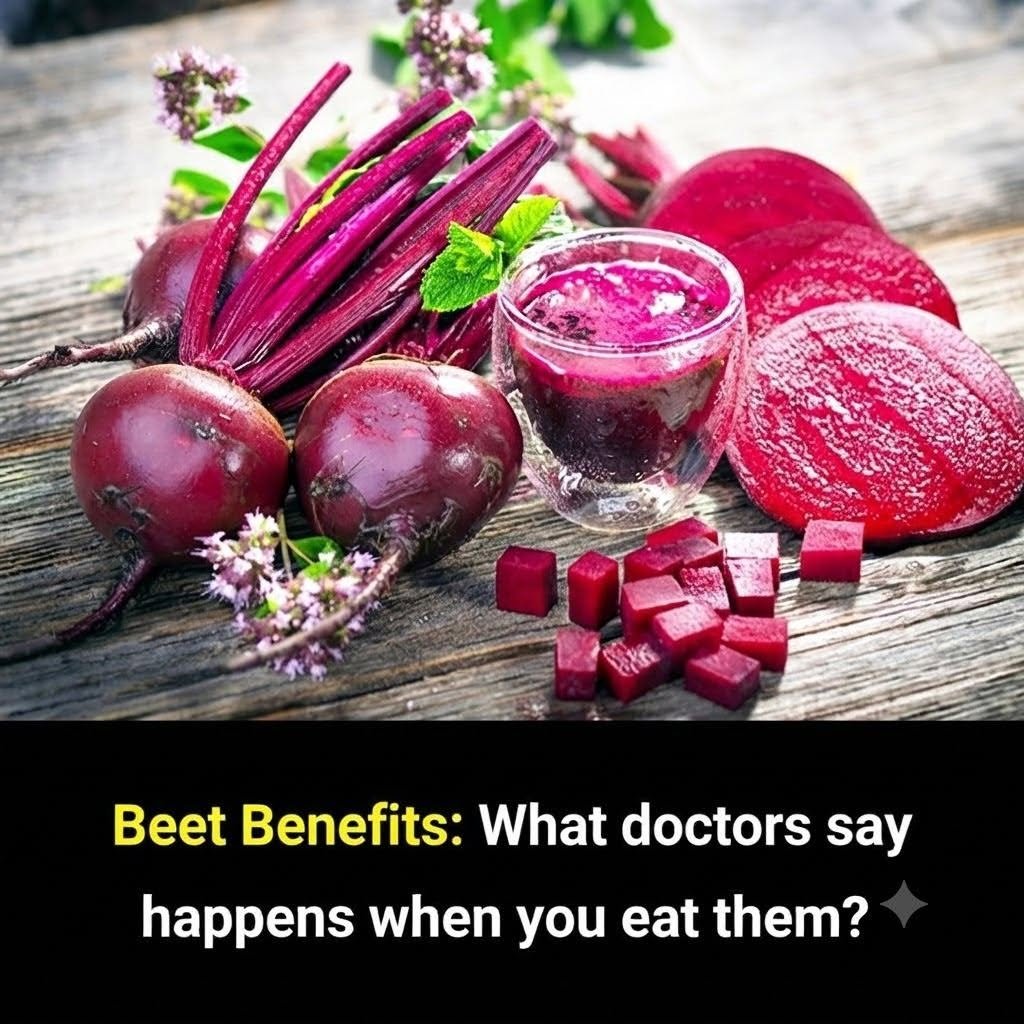
    Beets, also called beetroot, are a nutrient-rich vegetable that can be a valuable part of a balanced diet. They provide dietary fiber, folate, potassium, and naturally occurring plant compounds called betalains, which are being studied for their antioxidant and anti-inflammatory properties. One of the most interesting components of beetroot is its naturally occurring nitrate, which the body can convert into nitric oxide. Nitric oxide helps relax and widen blood vessels, which is one reason researchers have investigated beetroot’s potential cardiovascular benefits. A systematic review of randomized controlled trials found that beetroot juice supplementation was associated with modest reductions in blood pressure, particularly systolic blood pressure.

    Research has also explored beetroot in relation to exercise performance and circulation. Because dietary nitrate may improve the efficiency of oxygen use and blood flow, beetroot juice has been studied among athletes and people with certain cardiovascular conditions. However, the evidence is not strong enough to describe beets as a treatment or cure for high blood pressure or heart disease. A newer dose-response analysis found that increasing dietary beetroot intake was associated with modest short-term reductions in blood pressure, with benefits appearing to level off at higher amounts. This distinction is important: eating ordinary servings of whole beets as part of a varied diet is very different from consuming concentrated beetroot juice or supplements. Beetroot products should not replace prescribed medication or a doctor’s treatment plan.

    For most people, adding beets to meals is a healthy choice. They can be roasted, boiled, steamed, grated into salads, or incorporated into soups and other dishes. Some people may notice that their urine or stool becomes pink or reddish after eating beets, a harmless effect commonly known as beeturia. People taking medication for blood pressure should also avoid assuming that large quantities of beetroot juice are automatically beneficial, because combining dietary strategies with medication may require individualized monitoring. The best approach is variety: include beets alongside other vegetables, fruits, whole grains, legumes, and healthy protein sources rather than relying on one food for health benefits. Disclaimer: This article is for general educational and nutritional information only and does not constitute medical diagnosis, treatment, or personalized dietary advice. Research suggests potential cardiovascular benefits from beetroot, but effects vary between individuals and studies, and beets are not a cure for any disease. Always verify health claims through reliable scientific sources and consult a qualified healthcare professional for personalized guidance.

  • Are Beets Really Good for You? Here’s What the Research Suggests

    Are Beets Really Good for You? Here’s What the Research Suggests

    Beets, also called beetroot, are a nutrient-rich vegetable that can be a valuable part of a balanced diet. They provide dietary fiber, folate, potassium, and naturally occurring plant compounds called betalains, which are being studied for their antioxidant and anti-inflammatory properties. One of the most interesting components of beetroot is its naturally occurring nitrate, which the body can convert into nitric oxide. Nitric oxide helps relax and widen blood vessels, which is one reason researchers have investigated beetroot’s potential cardiovascular benefits. A systematic review of randomized controlled trials found that beetroot juice supplementation was associated with modest reductions in blood pressure, particularly systolic blood pressure.

    Research has also explored beetroot in relation to exercise performance and circulation. Because dietary nitrate may improve the efficiency of oxygen use and blood flow, beetroot juice has been studied among athletes and people with certain cardiovascular conditions. However, the evidence is not strong enough to describe beets as a treatment or cure for high blood pressure or heart disease. A newer dose-response analysis found that increasing dietary beetroot intake was associated with modest short-term reductions in blood pressure, with benefits appearing to level off at higher amounts. This distinction is important: eating ordinary servings of whole beets as part of a varied diet is very different from consuming concentrated beetroot juice or supplements. Beetroot products should not replace prescribed medication or a doctor’s treatment plan.

    For most people, adding beets to meals is a healthy choice. They can be roasted, boiled, steamed, grated into salads, or incorporated into soups and other dishes. Some people may notice that their urine or stool becomes pink or reddish after eating beets, a harmless effect commonly known as beeturia. People taking medication for blood pressure should also avoid assuming that large quantities of beetroot juice are automatically beneficial, because combining dietary strategies with medication may require individualized monitoring. The best approach is variety: include beets alongside other vegetables, fruits, whole grains, legumes, and healthy protein sources rather than relying on one food for health benefits. Disclaimer: This article is for general educational and nutritional information only and does not constitute medical diagnosis, treatment, or personalized dietary advice. Research suggests potential cardiovascular benefits from beetroot, but effects vary between individuals and studies, and beets are not a cure for any disease. Always verify health claims through reliable scientific sources and consult a qualified healthcare professional for personalized guidance.

  • Untitled post 530

    54-Year-Old Woman Thought Ginger Was Healthy, Ate It Daily for 3 Months and Paid a Painful Price

    Ginger has a strong reputation as a natural ingredient, and research has investigated its potential benefits for nausea, menstrual discomfort, and other health concerns. However, more is not always better, particularly when ginger is consumed in large quantities or concentrated supplements. The National Center for Complementary and Integrative Health notes that oral ginger can cause side effects including abdominal discomfort, heartburn, diarrhea, and irritation of the mouth or throat. An umbrella review of 24 systematic reviews similarly found that digestive complaints—especially reflux, heartburn, abdominal discomfort, and diarrhea—were among the most frequently reported adverse effects in studies of oral ginger. Therefore, a person consuming large amounts every day could potentially experience persistent stomach irritation rather than the health benefits they expected.

    There are also circumstances in which extra caution is important. Ginger supplements may interact with certain medicines, and Memorial Sloan Kettering advises caution for people taking blood thinners or NSAIDs because of a potential increase in bleeding risk. It also recommends avoiding medicinal ginger supplements in people with bleeding disorders or gallstones and discussing use with a healthcare professional before surgery. Ginger may also influence blood glucose, which could matter for someone taking insulin or glucose-lowering medication. Importantly, these concerns are more relevant to concentrated supplements or medicinal doses than to the modest quantities of ginger normally used in cooking. Research reviews have generally found ginger to be well tolerated at studied doses, but they also emphasize that the evidence varies in quality and that dosage and preparation differ substantially between studies.

    The lesson is not that ginger is dangerous or that everyone should stop eating it. Instead, pay attention to quantity, preparation, medications, and your individual health circumstances. If daily ginger consumption is followed by persistent heartburn, abdominal pain, diarrhea, unusual bruising, or another unexplained symptom, reducing or stopping concentrated ginger products and discussing the problem with a qualified healthcare professional may be appropriate. People taking prescription medicines, preparing for surgery, or living with gallstones or bleeding disorders should seek professional advice before using ginger supplements regularly. Disclaimer: This article is for general educational and nutritional information only and does not constitute medical diagnosis, treatment, or personalized medical advice. The specific story of a 54-year-old woman cannot be verified from the headline alone, and ginger does not necessarily cause serious problems after three months of use. Health claims online may be exaggerated, misleading, or unauthenticated, so always verify important information through reliable medical sources and consult a qualified healthcare professional for individualized guidance.

  • Your Phone’s Volume Buttons Can Do More Than You Think

    Your Phone’s Volume Buttons Can Do More Than You Think

    Most people use their phone’s volume buttons only to make calls, videos, or music louder or quieter, but on many modern smartphones they can perform additional functions. One of the most useful is controlling the camera shutter. On many iPhone models and Android phones, pressing either volume button while the camera is open can capture a photo, making it easier to take pictures without reaching for the on-screen shutter button. Depending on the device and camera application, the buttons may also support functions such as starting or stopping video recording, taking burst photos, or controlling zoom. The exact behavior varies by manufacturer, operating system, and camera settings, so a feature that works on one phone may not work on another. Checking your phone’s official user guide is the safest way to confirm which shortcuts are supported.

    Volume buttons can also become useful accessibility and emergency shortcuts. On some smartphones, combinations involving the volume buttons and the power or side button can activate emergency features or other system functions. For example, Apple’s Emergency SOS feature can be activated on supported iPhones by pressing and holding the side button together with a volume button, while Android manufacturers may use different button combinations for emergency or accessibility functions. (support.apple.com) Volume keys may also help with media playback or camera controls when the phone is locked, depending on the app and device. These shortcuts can save time when your hands are occupied, when you are taking a group photo, or when reaching the screen is inconvenient. Because button combinations can differ significantly between devices, avoid assuming that a particular shortcut is universal.

    There is also a practical reason to learn these functions: physical buttons can sometimes make everyday phone use faster and more convenient. Instead of tapping the screen repeatedly, you may be able to use a volume key to take a picture, adjust audio, or perform another supported action. If you have a newer phone, open the Camera settings and Accessibility settings to see which button-based controls are available. Avoid downloading unknown apps that promise secret button functions, particularly if they request unnecessary permissions. Disclaimer: This article provides general smartphone information and does not guarantee that every feature will work on every device. Button shortcuts vary by phone model, operating system, software version, and application. Always verify available functions through your device manufacturer’s official documentation and use emergency shortcuts only when appropriate.

  • Could Your Skin Be Warning You About Diabetes? Here Are 12 Signs to Know

    Could Your Skin Be Warning You About Diabetes? Here Are 12 Signs to Know

    Your skin can sometimes provide clues that something is happening inside your body, and diabetes can affect the skin in several different ways. Dermatologists note that certain skin changes may occasionally be among the first visible signs of diabetes or prediabetes, although no skin symptom can diagnose the condition by itself. Twelve changes worth knowing about include dark, velvety skin around the neck, armpits, or groin; small skin tags; yellow, reddish, or brown patches that develop from raised bumps; shin spots or slightly depressed marks; very dry or itchy skin; slow-healing cuts or sores; recurring skin infections; yellowish scaly patches around the eyelids; thick or hardened skin on the hands or upper back; unusual changes around the feet and toenails; fungal infections such as scaling between the toes; and persistent changes in skin texture or color that have no obvious explanation. One particularly recognizable condition is acanthosis nigricans, which produces darker, thicker, velvety skin and is often seen on the neck, armpits, or groin. It can be associated with insulin resistance, prediabetes, or diabetes, but it can also have other causes.

    It is important not to panic when you notice one of these changes. Dry skin, itching, discoloration, rashes, or skin tags are common and can occur for many reasons unrelated to diabetes. Diabetes-related skin problems are more concerning when they are persistent, unexplained, recurring, or accompanied by other possible symptoms such as increased thirst, frequent urination, unusual tiredness, unexplained weight loss, blurred vision, numbness or tingling, or wounds that heal slowly. People who already have diabetes should pay particular attention to their feet because reduced sensation and impaired healing can allow small injuries or infections to become more serious. The American Academy of Dermatology recommends checking the feet regularly for redness, scaling, blisters, cuts, and sores and seeking medical attention for concerning wounds or infections. If dark, velvety patches suddenly appear or spread rapidly, medical evaluation is especially important because acanthosis nigricans can occasionally have causes other than insulin resistance.

    The most important takeaway is that your skin can provide clues, but blood testing is needed to determine whether you actually have diabetes or prediabetes. If you notice several unexplained skin changes, particularly alongside increased thirst, frequent urination, fatigue, vision changes, or slow-healing wounds, consider speaking with a qualified healthcare professional about appropriate glucose testing. Do not attempt to treat suspected diabetes by using skin creams, supplements, detox drinks, or other home remedies. Early identification and appropriate management can help reduce the risk of complications affecting the eyes, kidneys, nerves, heart, and blood vessels. Disclaimer: This article is for general educational and health information only and does not constitute medical diagnosis, treatment, or personalized medical advice. Skin changes can have numerous causes and do not prove that a person has diabetes. Health claims online may be exaggerated, misleading, or unauthenticated, so always verify important information through reliable medical sources and consult a qualified healthcare professional for appropriate testing and guidance.

  • Vegetables Are Healthy, but Some May Accumulate More Heavy Metals Than Others

    Vegetables Are Healthy, but Some May Accumulate More Heavy Metals Than Others

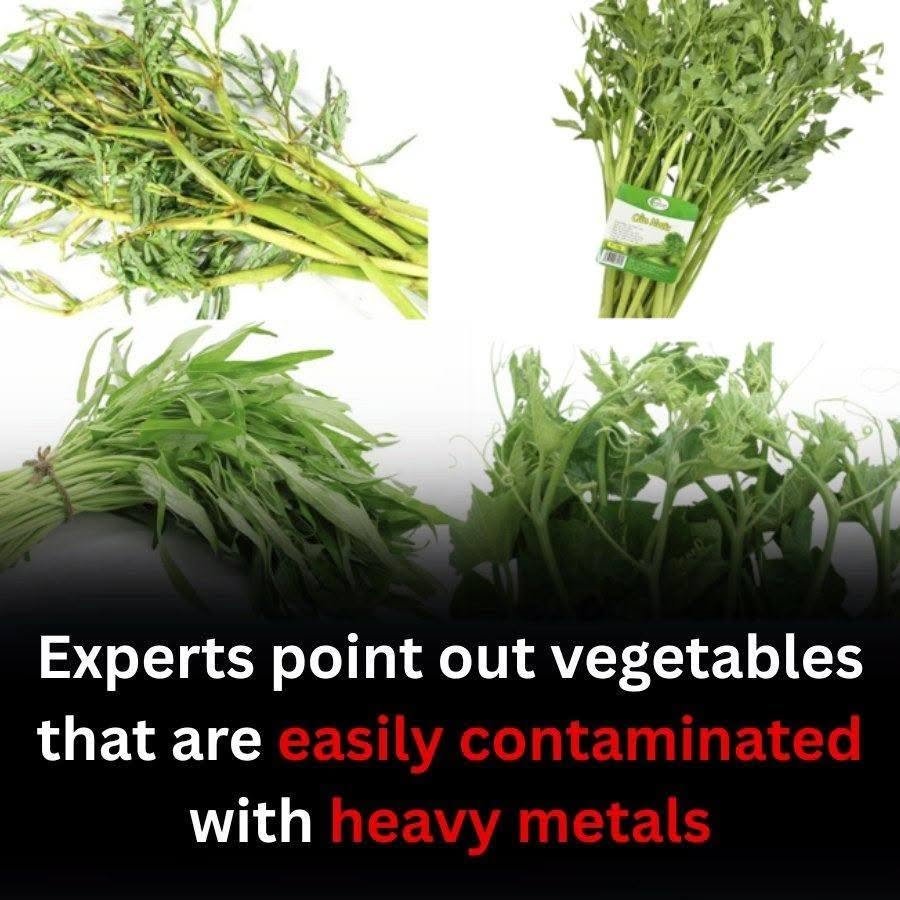
    Vegetables remain an essential part of a balanced, nutrient-rich diet, but it is true that plants can absorb environmental contaminants from soil and water. Heavy metals and other toxic elements such as cadmium, lead, arsenic, and mercury can enter the food chain through naturally contaminated soil, pollution, industrial activity, or agricultural practices. The FDA reports that cadmium was detected in 93% of vegetable samples in its FY2018–FY2020 Total Diet Study, although many detected concentrations were low. Certain vegetables, particularly some leafy greens and potatoes, can accumulate more cadmium than others depending on growing conditions. This does not mean that vegetables containing detectable metals are automatically unsafe. The potential health impact depends on the concentration, amount consumed, frequency of exposure, and an individual’s overall exposure from other sources.

    Growing conditions can make a significant difference. Vegetables cultivated near contaminated soil, polluted water, mining or industrial areas may have greater exposure to certain metals. Research conducted on vegetables from markets in Pakistan has found varying levels of metals in foods such as spinach, cabbage, potatoes, eggplant, tomatoes, okra, lettuce, coriander, and carrots, illustrating why local environmental conditions and food monitoring matter. However, individual studies from particular cities or markets should not be interpreted as proof that all vegetables in an entire country are contaminated. Heavy-metal exposure is particularly important for children and other vulnerable groups because prolonged exposure to contaminants such as lead and cadmium can affect important organs and biological systems. The FDA therefore monitors contaminants in the food supply and works to reduce dietary exposure while maintaining access to nutritious foods.

    The practical answer is not to stop eating vegetables, but to eat a diverse selection and avoid relying heavily on one food grown in a potentially contaminated environment. Washing produce thoroughly under running water can help remove dirt and some surface contaminants, although washing cannot reliably eliminate metals that have already been absorbed into plant tissue. Choosing produce from reputable sources and maintaining variety can reduce repeated exposure to any single contaminant. The FDA specifically recommends eating a variety of nutrient-dense foods across and within food groups rather than avoiding nutritious foods simply because contaminants may occasionally be detected. Disclaimer: This article is for general educational and nutritional information only and does not constitute medical diagnosis, treatment, or personalized dietary advice. The presence of a detectable heavy metal does not automatically mean a vegetable is dangerous, and contamination levels can vary greatly by location, soil, water, and agricultural conditions. Always verify food-safety information through reliable authorities and consult a qualified healthcare professional if you have concerns about significant or prolonged exposure to heavy metals.

  • Can a Glass of Water in the Morning Support Your Health? Here’s What You Should Know

    Can a Glass of Water in the Morning Support Your Health? Here’s What You Should Know

    Starting your morning with a glass of water can be a simple and useful hydration habit, especially after several hours of sleep without drinking. Your body continuously loses water through breathing, sweating, and normal bodily functions overnight, and Cleveland Clinic notes that drinking water after waking can help replace some of that fluid. More broadly, the CDC confirms that adequate water intake helps prevent dehydration and supports normal body functions, including temperature regulation, joint lubrication, and the removal of waste through urination and bowel movements. However, there is nothing magical about drinking water specifically in the morning. Current evidence does not show that drinking water immediately after waking provides special health benefits that cannot be achieved by drinking enough water throughout the day.

    One potential advantage is that plain water can replace higher-calorie beverages. Choosing water instead of sugary drinks can reduce calorie and added-sugar intake, which may support healthier weight-management habits over time. Adequate hydration can also help prevent problems associated with dehydration, including constipation and kidney stones. Still, you do not need to force yourself to drink enormous quantities of water in the morning. Your fluid requirements vary depending on factors such as age, physical activity, climate, pregnancy, breastfeeding, illness, and diet. Foods such as fruits and vegetables also contribute to your daily water intake. For most people, a normal glass of safe drinking water is a perfectly reasonable way to begin the day.

    The most important goal is consistent hydration rather than perfect timing. Keep water available during the day, drink when you are thirsty, and increase your intake when heat, exercise, fever, vomiting, or diarrhea increases fluid losses. If you have been advised to restrict fluids because of a medical condition, follow your healthcare professional’s recommendations instead of adopting a generic hydration routine. Also make sure your drinking water comes from a safe source, particularly where water quality may be uncertain. Disclaimer: This article is for general educational and health information only and does not constitute medical diagnosis, treatment, or personalized advice. Drinking water in the morning can support hydration, but it is not a cure-all or a guaranteed method for weight loss, detoxification, or disease prevention. Individual fluid needs vary, so always verify important health information through reliable sources and consult a qualified healthcare professional when appropriate.

  • These Are the Consequences of Using Too Much Laundry Detergent

    These Are the Consequences of Using Too Much Laundry Detergent

    Using extra laundry detergent may seem like a simple way to make clothes cleaner, but more detergent does not necessarily mean better cleaning. In fact, excessive detergent can leave behind residue that makes fabrics feel stiff, sticky, or less fresh. Too much soap can also create excessive suds, which may interfere with the washing machine’s ability to rinse and drain properly. This is especially relevant with high-efficiency washing machines, which are designed to use relatively small amounts of specially formulated detergent. Experts recommend following the dosage instructions on the product label rather than estimating by eye.

    There can also be consequences for your skin, clothing, and washing machine. Detergent residue left in fabrics may irritate sensitive skin or contribute to contact dermatitis in susceptible people. Excessive suds and detergent buildup can also interfere with drainage and contribute to residue, unpleasant odors, and moisture-related problems inside parts of the machine. Over time, unnecessary detergent use means you are spending more money without necessarily improving washing performance. If clothes frequently come out feeling coated, unusually stiff, or strongly scented with detergent, it may be worth checking whether you are using more product than recommended.

    The safest approach is simple: measure your detergent according to the manufacturer’s instructions, consider the size and soil level of the load, and use detergent specifically designed for your type of washing machine. Avoid assuming that a heavily soiled load always requires a large amount of detergent; pre-treating stains or selecting an appropriate wash cycle may be more effective. If you notice persistent skin irritation, unexplained rashes, or problems with your washing machine, stop experimenting with larger detergent quantities and seek appropriate professional advice. Disclaimer: This article is for general household and laundry-care information only and does not constitute medical or appliance-repair advice. Detergent requirements vary by product, machine type, water conditions, and load size. Always follow the manufacturer’s instructions and verify important safety information from reliable sources.

  • Start Your Day Right: 5 Morning Habits That Could Damage Your Gut

    Start Your Day Right: 5 Morning Habits That Could Damage Your Gut

    Your morning routine can influence how comfortable your digestive system feels throughout the day, but it is important not to label ordinary habits as automatically “damaging” the gut. One habit that can cause problems for some people is starting the day with a large amount of coffee on an empty stomach, particularly if you are prone to heartburn or reflux. Coffee can stimulate the digestive system and may worsen symptoms in sensitive individuals, although most people can tolerate it without a problem. A second habit is drinking very little fluid after waking, especially if you continue to neglect hydration throughout the day. Water supports normal digestion and helps keep stool softer, while dehydration can contribute to constipation.

    A third habit is choosing a breakfast dominated by added sugar and refined carbohydrates, such as pastries, sugary cereals, or sweetened drinks. These foods are often low in fiber and protein, and they may leave you hungry again relatively quickly. Cleveland Clinic recommends emphasizing fiber and protein at breakfast, while Johns Hopkins highlights whole grains, fruits and vegetables as useful sources of fiber for digestive health. A fourth habit is suddenly consuming huge amounts of fiber because you have decided to “fix” your gut overnight. Fiber is important, but rapidly increasing your intake can cause gas, bloating, cramps, or other gastrointestinal discomfort. A gradual increase combined with adequate water is generally easier for the digestive system to tolerate.

    The fifth habit is beginning the day with highly processed, greasy, or very salty foods on a regular basis. Fried and heavily processed foods can contribute to indigestion, bloating, or changes in bowel comfort for some people, while a diverse diet containing vegetables, fruits, whole grains, and fermented foods can support a healthier gut environment. The goal is not to create a perfect morning routine but to build sustainable habits: drink enough water, choose a balanced breakfast when you are hungry, introduce fiber gradually, and pay attention to foods that consistently trigger your symptoms. Disclaimer: This article is for general educational and nutritional information only and does not constitute medical diagnosis, treatment, or personalized medical advice. These habits do not automatically damage the gut, and individual responses vary considerably. Persistent abdominal pain, unexplained weight loss, blood in the stool, ongoing diarrhea or constipation, or other concerning digestive symptoms should be evaluated by a qualified healthcare professional. Always verify health information through reliable medical sources.