
Blog

  • Your Body Could Be Trying to Tell You Something — 10 Breast Cancer Symptoms to Know

    Your Body Could Be Trying to Tell You Something — 10 Breast Cancer Symptoms to Know

    Knowing how your breasts normally look and feel can help you recognize changes that deserve medical attention. The most common sign of breast cancer is a new lump or mass, although most breast lumps are not cancer. Other possible warning signs include swelling of all or part of the breast even without a noticeable lump, skin dimpling or puckering that can resemble an orange-peel texture, and a change in the size or shape of the breast. (cancer.org) Other changes can involve the nipple or surrounding skin. These may include nipple inversion, persistent nipple or breast pain, redness, flaky or dry skin, thickening of the skin, and unusual nipple discharge, particularly discharge that is not breast milk. (cdc.gov) A swollen lymph node or lump under the arm or near the collarbone can also occur with breast cancer. (cancer.org) These are warning signs to understand—not proof that cancer is present.

    It is important not to panic if you notice one of these changes. Many breast changes have causes other than cancer, including hormonal changes, benign breast conditions, infections, cysts, and other non-cancerous problems. (cancer.org) Breast pain, for example, is not usually caused by cancer, although persistent or unusual pain should still be evaluated when appropriate. (cancer.org) The key is to notice new, persistent, or unexplained changes rather than trying to diagnose yourself based on an internet checklist. If you discover a new lump, nipple discharge, skin change, nipple inversion, or another unusual breast change, arrange an evaluation with a qualified healthcare professional. A clinical examination and, when appropriate, imaging or biopsy are used to determine the actual cause. (cancer.org)

    Regular screening is also important because breast cancer can sometimes be found before symptoms develop. Mammography and other recommended screening methods can help detect cancers earlier, when treatment is generally more successful. (cancer.org) Remember that breast cancer can occur in men as well, although it is much less common; men should also have new breast lumps, nipple changes, or unexplained discharge checked by a healthcare professional. (cancer.org) The most useful habit is simple: know what is normal for your body and don’t ignore significant changes. Early evaluation does not mean you have cancer—it means you are taking your health seriously. Disclaimer: This article is for general educational and informational purposes only and does not constitute medical advice, diagnosis, or treatment. The symptoms described above can have many causes, and none of them alone confirms breast cancer. Always verify cancer-related information through reliable medical and scientific sources and consult a qualified healthcare professional about any new or concerning breast changes.

  • Could Chayote Be One of the Healthiest Vegetables? Here’s What Research Suggests

    Could Chayote Be One of the Healthiest Vegetables? Here’s What Research Suggests

    Chayote, also known as Sechium edule, is an underrated vegetable that deserves more attention for its nutritional profile. It is naturally low in calories and fat while providing dietary fiber, vitamin C, folate, potassium, magnesium, and other micronutrients. Scientific reviews describe chayote as a source of vitamins, minerals, complex carbohydrates, phenolic compounds, flavonoids, and other bioactive substances. Its relatively mild flavor also makes it easy to incorporate into soups, salads, stews, and cooked vegetable dishes. Because fiber can contribute to digestive health and help promote fullness, chayote can be a useful choice for people building a nutrient-dense eating pattern. However, calling it “the healthiest vegetable” would go beyond the evidence. There is no single vegetable that provides every nutrient the body needs, and the strongest nutritional strategy is to consume a wide variety of colorful vegetables rather than relying on one food.

    Researchers have also become interested in chayote because it contains naturally occurring antioxidant and bioactive compounds. Laboratory and early human research has explored potential effects involving blood glucose, blood pressure, oxidative stress, inflammation, and lipid metabolism. One study involving older adults with metabolic syndrome investigated a concentrated chayote preparation and reported improvements in some oxidative-stress and inflammatory markers after six months. However, this type of study should not be interpreted as proof that ordinary chayote consumption can prevent or treat diabetes, high blood pressure, cancer, or cardiovascular disease. A major scientific review also emphasizes that although chayote has promising nutritional and biofunctional properties, human research remains limited, particularly for proving specific therapeutic effects. This distinction is important because promising laboratory findings do not automatically translate into proven medical benefits in people.

    The practical takeaway is that chayote can certainly earn a place in a balanced, heart-conscious and nutrient-rich diet, but it should be viewed as one useful vegetable among many. Eating it alongside leafy greens, tomatoes, carrots, broccoli, legumes, whole grains, and other minimally processed foods provides a broader range of nutrients and beneficial plant compounds. Cooking methods also matter: steaming, boiling, or lightly sautéing can be preferable to preparations loaded with excessive salt or unhealthy fats. Research continues to investigate chayote’s nutritional and potential health-promoting properties, so future clinical studies may provide clearer answers about its long-term benefits. Disclaimer: This article is for general educational and informational purposes only and does not constitute medical, nutritional, or treatment advice. Research on chayote is promising but does not prove that it is the “healthiest” vegetable or that it can prevent or treat specific diseases. Always verify health claims through reliable scientific and medical sources and consult a qualified healthcare professional for personalized dietary guidance.

  • Too Many Peanuts? Your Body May Respond in These Surprising Ways…

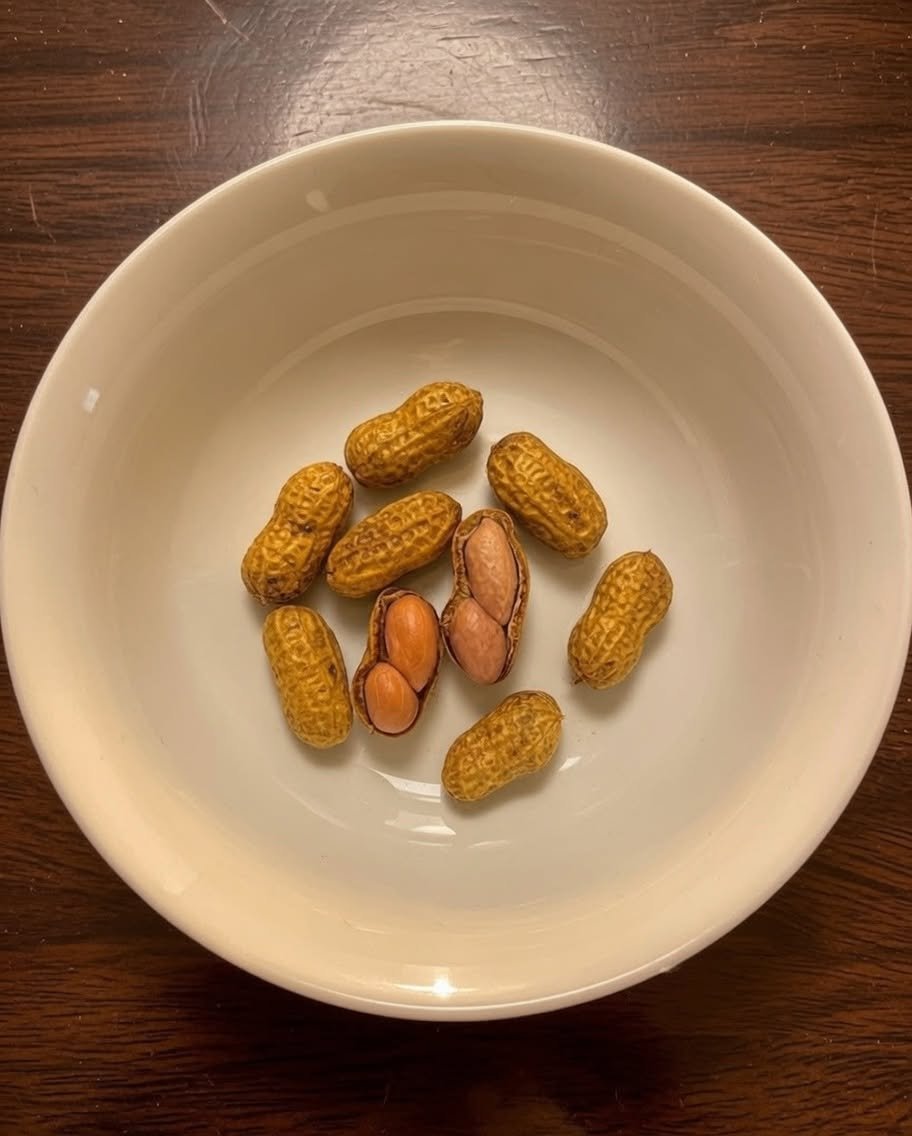
    Too Many Peanuts? Your Body May Respond in These Surprising Ways…

    Peanuts can be a nutritious snack when eaten in reasonable portions. They provide plant-based protein, fiber, vitamin E, and predominantly unsaturated fats, which can support a balanced eating pattern. Nuts and seeds can also help with fullness because they combine protein, fat, and fiber. However, “healthy” does not mean unlimited. Peanuts are energy-dense, so eating large amounts can significantly increase your daily calorie intake. Salted or heavily flavored varieties may also contain substantial sodium, which is worth considering if you are trying to manage blood pressure. A practical approach is to enjoy a modest portion rather than repeatedly eating directly from a large packet, where it is easy to consume much more than intended. Peanut butter can also be nutritious, but checking the label for added sugar, sodium, and portion size is important.

    Eating excessive amounts may also cause digestive discomfort in some people. Because peanuts contain fiber and fat, suddenly consuming a large quantity may contribute to bloating, gas, or stomach discomfort, particularly if your digestive system is not accustomed to a high-fiber intake. Another important consideration is allergy. Peanut allergy can cause serious reactions in susceptible individuals, including swelling, hives, breathing difficulties, vomiting, or a dangerous drop in blood pressure. People with a known peanut allergy should avoid peanuts according to their healthcare professional’s guidance rather than experimenting with small amounts. For people with kidney disease, portion size may also require individual consideration because peanuts contain potassium and phosphorus. The National Kidney Foundation reports that a quarter-cup serving contains approximately 232 mg of potassium and 133 mg of phosphorus, while dietary requirements vary according to kidney function, laboratory results, and treatment.

    The healthiest strategy is therefore moderation and variety. Choose unsalted or lightly salted peanuts when possible, pay attention to serving sizes, and include other nutritious foods such as vegetables, fruits, whole grains, legumes, and appropriate protein sources throughout the day. Peanuts do not need to be feared, and there is no evidence that simply eating them in normal portions causes a mysterious buildup of toxins or automatically damages healthy kidneys. In fact, nuts and seeds can be part of a nutritious dietary pattern. The concern is primarily excessive portions, added sodium or sugar, allergies, and individual medical requirements. If peanuts consistently cause digestive symptoms, allergic reactions, or other unusual problems, seek advice from a qualified healthcare professional. Disclaimer: This article is for general educational and informational purposes only and does not constitute medical, nutritional, or treatment advice. Individual responses to peanuts vary, and the information above should not be used to diagnose or treat a condition. Always verify health claims through reliable medical and scientific sources and consult a qualified healthcare professional for personalized dietary guidance.

  • Doctors Explain the Potential Benefits of Starting Your Day With Eggs

    Doctors Explain the Potential Benefits of Starting Your Day With Eggs

    Eggs can be a practical and nutrient-dense breakfast choice because they provide high-quality protein, vitamins, minerals, and other important nutrients in a relatively small serving. One large egg contains about 6 grams of protein and provides nutrients such as choline, vitamin A, vitamin D, phosphorus, and antioxidants including lutein and zeaxanthin. Protein can also help you feel fuller for longer, which may make it easier to avoid frequent snacking later in the morning. Starting the day with eggs therefore may be useful for people who want a satisfying breakfast, particularly when eggs are combined with vegetables, fruit, or whole grains. However, eating eggs specifically in the morning is not a requirement for good health—the overall quality of your diet matters much more than the exact time you consume them.

    Another potential advantage is that eggs contain very little carbohydrate, so they generally have little immediate effect on blood glucose compared with many refined breakfast foods. This can make them a useful protein component of a balanced breakfast. However, eggs should not be viewed as a complete meal by themselves. Harvard Health recommends combining protein with slowly digested carbohydrates and fruits or vegetables for a more balanced breakfast. The way eggs are prepared also matters. Boiled, poached, or lightly cooked eggs can be paired with vegetables and whole-grain foods, while meals containing eggs alongside large amounts of processed meat, butter, cheese, or other foods high in saturated fat and sodium may be less heart-friendly. Current American Heart Association guidance emphasizes the overall dietary pattern rather than focusing on one food or nutrient in isolation.

    There is also an important point about cholesterol. Egg yolks contain substantial dietary cholesterol, but modern nutrition guidance recognizes that dietary cholesterol is generally less influential on blood cholesterol than the overall pattern of fats in the diet, particularly saturated and trans fats. The American Heart Association says healthy individuals can include up to about one whole egg daily, while people with dyslipidemia or certain health conditions may need more individualized guidance. For a balanced breakfast, consider pairing eggs with vegetables, fruit, oats, or whole-grain toast rather than relying on processed breakfast meats. Disclaimer: This article is for general educational and informational purposes only and does not constitute medical, nutritional, or treatment advice. Individual dietary needs vary, particularly for people with high cholesterol, diabetes, cardiovascular disease, or other medical conditions. Always verify health claims through reliable scientific and medical sources and consult a qualified healthcare professional for personalized dietary guidance.

  • Doctors Warn About a Common Water Container Still Used at Home

    Doctors Warn About a Common Water Container Still Used at Home

    One everyday item that deserves more attention than it usually receives is the reusable water bottle or plastic water container. The concern is not that every plastic container is dangerous, but that containers used repeatedly without proper cleaning can become a source of bacteria and mold. Cleveland Clinic doctors explain that moisture, saliva, hands, and frequent contact can introduce microorganisms into reusable bottles, particularly around lids, straws, mouthpieces, and other difficult-to-clean areas. This can potentially contribute to unpleasant odors, stomach upset, or allergic symptoms in susceptible individuals. The risk can increase when bottles are used for sweetened beverages, left warm for long periods, or shared with other people. Therefore, the main issue is often hygiene and maintenance, rather than the simple fact that a container is made from plastic.

    Another point that frequently causes confusion is single-use plastic bottles. Health Canada does not recommend repeatedly reusing single-use bottles because inadequate cleaning can create a microbiological risk, although it also notes that there is no scientific evidence that ordinary reuse of PET bottles produces harmful levels of cancer-causing chemicals. Concerns about BPA also need context: the U.S. FDA currently states that approved uses of BPA in food-contact packaging are safe based on its evaluation of available research. This means dramatic claims that every plastic water bottle automatically “causes cancer” are not supported by the evidence. A more practical concern is whether the container is clean, intact, appropriate for its intended use, and stored correctly. Containers with cracks, persistent odors, visible mold, or damaged components should be replaced rather than continually reused.

    The safest routine is surprisingly simple: wash reusable water containers regularly with warm water and dish soap, scrub the lid and mouthpiece, remove detachable parts when possible, rinse thoroughly, and allow everything to dry completely before storing. Cleveland Clinic recommends regular cleaning because simply rinsing may not remove bacteria and mold from hidden areas. University Hospitals similarly advises washing reusable bottles between uses when possible, especially when they contain anything besides plain water. For household water storage, the CDC recommends containers that are durable, cleanable, covered, and designed to protect treated water from recontamination. Disclaimer: This article is for general educational and informational purposes only and does not constitute medical, food-safety, or product-safety advice. Not every water container presents the same risks, and health effects depend on the material, condition, cleaning routine, contents, and individual circumstances. Always verify safety information through reliable scientific, government, or medical sources and follow the manufacturer’s instructions for your specific container.

  • Did You Know That Waking Up at 3 or 4 in the Morning Is a Clear Sign of… See More

    Did You Know That Waking Up at 3 or 4 in the Morning Is a Clear Sign of… See More

    Waking up at 3 or 4 a.m. can feel unusual, especially when it happens repeatedly, but the time itself is not a clear sign of one particular disease. Early-morning awakening can be associated with insomnia, stress, an inconsistent sleep schedule, environmental disturbances, caffeine use, certain medications, or other health conditions. Mayo Clinic notes that insomnia can include waking during the night or waking too early and being unable to return to sleep. Your body’s internal circadian clock also influences when you naturally become sleepy and alert, and changes in light exposure, routines, or sleep schedules can shift this rhythm. Therefore, occasionally waking at 3 or 4 a.m. is usually not something to panic about, particularly if you fall back asleep easily and feel rested the next day.

    However, repeated nighttime awakenings accompanied by other symptoms may deserve attention. For example, loud snoring, gasping for air, breathing pauses, morning headaches, excessive daytime sleepiness, or frequent nighttime urination can occur with sleep apnea. Stress and anxiety can also make it difficult to remain asleep, while alcohol and caffeine may interfere with sleep quality and contribute to nighttime waking. If you consistently wake at the same time and remain awake for long periods, keep a sleep diary for a week or two, recording your bedtime, waking time, caffeine intake, exercise, and daytime tiredness. This information can help a healthcare professional identify patterns if the problem continues. The important point is that 3 or 4 a.m. waking is a symptom or sleep pattern—not a diagnosis.

    You can support healthier sleep by keeping a consistent bedtime and wake-up time, limiting caffeine later in the day, reducing bright screens before bed, keeping your bedroom comfortable and quiet, and maintaining regular physical activity. Most adults need around 7–9 hours of sleep, although individual needs vary. If waking at 3 or 4 a.m. happens frequently, affects your daytime functioning, or occurs with loud snoring, gasping, breathing pauses, severe daytime sleepiness, or other concerning symptoms, consider speaking with a qualified healthcare professional. Disclaimer: This article is for general educational and informational purposes only and does not constitute medical advice, diagnosis, or treatment. Waking at a particular time does not by itself prove a specific health condition. Always verify health claims through reliable medical and scientific sources and consult a qualified healthcare professional for persistent or concerning sleep problems.

  • He Believed Lemon Water Would Help His Blood Pressure — What Happened After Two Years May Surprise You

    He Believed Lemon Water Would Help His Blood Pressure — What Happened After Two Years May Surprise You

    Lemon water has become popular as a simple wellness drink, and some people believe that drinking it regularly can directly lower blood pressure. However, the scientific evidence does not establish lemon water as a treatment for hypertension. Lemons provide vitamin C and other plant compounds, but adding lemon to water does not automatically create a blood-pressure-lowering medicine. One small observational study involving 101 middle-aged women found that greater lemon intake and walking were associated with lower changes in systolic blood pressure over five months, but the researchers could not establish that lemon consumption itself caused the improvement. Animal research has also produced interesting findings involving lemon juice and citric acid, but results from laboratory animals cannot be assumed to produce the same effect in humans.

    What could happen after two years, then? If someone drinks lemon water regularly while also improving their overall lifestyle, their blood pressure might improve—but it would be misleading to credit the lemon water alone. Current American Heart Association guidance emphasizes proven lifestyle strategies such as maintaining a healthy weight, following a heart-healthy eating pattern such as DASH, reducing sodium, increasing potassium through appropriate foods, exercising regularly, and managing stress. In fact, research has shown that reducing sodium can produce meaningful blood-pressure improvements in some adults in a relatively short period. Therefore, if a person experienced better blood-pressure readings after making lemon water part of a broader healthy routine, the improvement could reflect several changes occurring simultaneously—not necessarily the lemon itself.

    The practical takeaway is that lemon water can be a healthy, low-calorie beverage choice, particularly when it replaces sugary drinks, but it should not replace prescribed blood-pressure medication or evidence-based treatment. If someone has hypertension, regularly monitoring blood pressure and discussing results with a healthcare professional is far more important than relying on a single drink. A heart-supportive diet should emphasize vegetables, fruits, whole grains, healthy protein sources, and unsaturated fats while minimizing excess sodium, added sugars, and highly processed foods. Two years of drinking lemon water may certainly become part of a healthier routine, but there is currently insufficient evidence to claim that lemon water alone can normalize blood pressure or prevent cardiovascular disease. Disclaimer: This article is for general educational and informational purposes only and does not constitute medical, nutritional, or treatment advice. Individual responses vary, and the claims of any specific person’s two-year experience should be independently verified. Never stop or change prescribed blood-pressure medication based on online health claims. Always verify information through reliable medical and scientific sources and consult a qualified healthcare professional for personalized guidance.

  • 100-Year-Old Doctor Who Still Treats Patients for Free Reveals 4 Vegetables He Eats for Longevity

    100-Year-Old Doctor Who Still Treats Patients for Free Reveals 4 Vegetables He Eats for Longevity

    Stories about exceptionally healthy centenarians often inspire people to look for the foods behind their longevity, but there is an important distinction between a personal routine and scientific proof. If we focus on vegetables supported by nutrition research, four excellent choices are leafy greens, broccoli, carrots, and tomatoes. Leafy greens such as spinach and kale provide fiber, vitamins, minerals, and plant compounds, while carrots and tomatoes contribute carotenoids and other nutrients. The National Institute on Aging recommends that older adults eat a variety of nutrient-dense foods, including different types of vegetables, rather than relying on a single food. Research has also associated higher vegetable and fruit intake with lower mortality risk; one large analysis found that around five daily servings, including three servings of vegetables, was associated with the lowest overall mortality risk.

    Leafy greens may deserve special attention because they have been studied in relation to healthy aging and cognitive function. An NIA-supported study found that people who consumed higher amounts of green leafy vegetables experienced slower cognitive decline over several years, although this type of research does not prove that greens alone caused the difference. Broccoli and other cruciferous vegetables contain compounds that continue to interest researchers, while tomatoes and carrots provide carotenoids that contribute to a diverse nutrient profile. The important lesson is variety: different vegetables supply different vitamins, minerals, fiber, and naturally occurring plant compounds. The American Heart Association’s updated 2026 dietary guidance emphasizes eating plenty of vegetables and fruits, choosing a wide variety, prioritizing minimally processed foods, and maintaining healthy eating patterns throughout life.

    Ultimately, there is no scientifically proven list of four vegetables that guarantees a person will live to 100. Longevity is influenced by genetics, physical activity, sleep, blood pressure, cholesterol, blood sugar, smoking status, social factors, healthcare access, and the overall quality of one’s lifestyle. The strongest evidence supports a consistent dietary pattern rather than a miracle-food approach. A practical strategy is to rotate colorful vegetables throughout the week and combine them with whole grains, legumes, nuts, seeds, and other nutritious foods. If the story of a centenarian doctor is based on a specific individual, his or her personal routine should not be presented as proof that particular foods caused exceptional longevity. Disclaimer: This article is for general educational and informational purposes only and does not constitute medical or nutritional advice. The claimed routine of any individual should be independently verified, and observational research cannot prove that specific foods guarantee longevity or prevent disease. Always verify health claims through reliable scientific and medical sources and consult a qualified healthcare professional for personalized dietary guidance.

  • Pay Attention to These 3 Areas — They May Offer Important Clues About Your Health

    Pay Attention to These 3 Areas — They May Offer Important Clues About Your Health

    Sometimes the body communicates through subtle changes that are easy to overlook. Three areas worth paying attention to are your skin, your eyes, and your mouth. Changes in the skin, such as unusual yellowing, persistent rashes, significant swelling, or wounds that heal unusually slowly, can sometimes accompany underlying health conditions, although many skin changes have harmless explanations. Your eyes can also provide useful clues: yellowing of the whites may occur with elevated bilirubin, while persistent changes in vision should be evaluated rather than dismissed as normal aging. Your mouth deserves attention as well. Recurrent bleeding gums, persistent sores, unusual swelling, or white or red patches can sometimes require professional assessment. These signs are not diagnoses by themselves, but noticing changes early can encourage people to seek appropriate medical guidance.

    The skin, eyes, and mouth are also affected by everyday factors such as dehydration, allergies, nutrition, medications, sun exposure, stress, and normal aging. For example, dry skin does not automatically indicate a serious disease, and occasional gum bleeding can occur because of aggressive brushing or irritation. Similarly, dark circles under the eyes can be influenced by genetics, sleep, allergies, or skin pigmentation rather than an underlying medical problem. The important distinction is between a temporary change and something that is persistent, worsening, unexplained, or accompanied by other symptoms. Keeping track of unusual changes and discussing them with a healthcare professional can be more useful than relying on viral health posts that claim a single physical sign proves a specific disease.

    Rather than examining these areas for frightening signs every day, focus on practical preventive health habits. Maintain good oral hygiene, protect your skin from excessive sun exposure, eat a varied and nutrient-rich diet, stay physically active, get adequate sleep, and attend appropriate routine health screenings. Seek professional advice if you notice persistent yellowing of the skin or eyes, unexplained swelling, a mouth sore that does not heal, significant vision changes, or another change that continues without an obvious explanation. Early evaluation does not necessarily mean something serious is wrong—it simply provides an opportunity to identify the real cause. Disclaimer: This article is for general educational and informational purposes only and does not constitute medical advice, diagnosis, or treatment. Changes in the skin, eyes, or mouth can have many different causes, and appearance alone cannot confirm a health condition. Always verify health information through reliable medical and scientific sources and consult a qualified healthcare professional about persistent or concerning symptoms.

  • These 6 Often-Ignored Symptoms Could Signal Serious Gallbladder Health Issues

    These 6 Often-Ignored Symptoms Could Signal Serious Gallbladder Health Issues

    Gallbladder problems can sometimes be difficult to recognize because symptoms may resemble ordinary digestive discomfort. Gallstones are especially common and may remain completely silent, but when a stone blocks a bile duct, it can trigger a gallbladder attack. One of the most recognizable symptoms is sudden or persistent pain in the upper-right abdomen, although discomfort can also occur in the middle of the abdomen or spread toward the back or right shoulder. Other symptoms worth noticing include nausea, vomiting, bloating, and digestive discomfort, particularly when they repeatedly occur after meals. These symptoms do not automatically mean you have gallbladder disease because indigestion, ulcers, reflux, pancreatitis, and other conditions can cause similar problems. Still, recurring symptoms deserve proper medical evaluation rather than being repeatedly dismissed as ordinary stomach trouble.

    Six warning signs that deserve attention are recurrent upper-right abdominal pain, nausea or vomiting, persistent bloating or digestive discomfort, pain that lasts for several hours, fever or chills, and yellowing of the skin or eyes. Dark or tea-colored urine and unusually pale stools can also occur when bile flow is obstructed. These latter symptoms are particularly important because a prolonged blockage can lead to inflammation or infection involving the gallbladder, bile ducts, liver, or pancreas. Many people with gallstones never develop symptoms, so simply having gallstones does not necessarily mean treatment is required. However, when symptoms or complications develop, doctors may use blood tests and imaging studies to determine what is happening. Treatment depends on the underlying problem, and symptomatic gallstones are commonly treated with gallbladder removal surgery.

    Supporting gallbladder health also means avoiding extreme dieting and rapid weight-loss programs, because losing weight too quickly can increase the risk of developing gallstones. Maintaining a healthy weight through gradual, sustainable lifestyle changes, eating a diet containing adequate fiber and healthy fats, limiting excessive refined carbohydrates and added sugar, and staying physically active may help reduce risk. Most importantly, severe abdominal pain lasting several hours, fever or chills, repeated vomiting, jaundice, dark urine, or pale stools should not be ignored; these may indicate a complication requiring prompt medical assessment. Disclaimer: This article is for general educational and informational purposes only and does not constitute medical advice, diagnosis, or treatment. Gallbladder symptoms can overlap with many other conditions, and these signs alone cannot confirm gallbladder disease. Always verify health information through reliable medical and scientific sources and consult a qualified healthcare professional for persistent or concerning symptoms.