Blog

  • These Are Clear Signs That He Is Cr…

    These Are Clear Signs That He Is Cr…

    When someone’s behavior changes noticeably, it can be tempting to search for a hidden explanation or assume the worst. However, a few unusual behaviors rarely provide enough evidence to determine what another person is thinking or experiencing. Changes in communication, mood, attention, or daily habits can have many possible causes, including stress, tiredness, relationship difficulties, or personal circumstances. The most reliable approach is to look for consistent patterns rather than interpreting one isolated sign as proof.

    Some changes may deserve closer attention when they are persistent, significant, and clearly different from the person’s usual behavior. For example, someone may suddenly become unusually withdrawn, lose interest in activities they normally enjoy, communicate less frequently, appear persistently irritable, or struggle to concentrate. Changes in sleep, appetite, energy, or everyday routines can also accompany periods of emotional or physical difficulty. However, none of these signs automatically proves that someone is cheating, hiding something, falling out of love, or experiencing a particular mental-health condition. Context matters enormously. A demanding job, family responsibilities, financial pressure, poor sleep, or another personal challenge can produce similar behaviors. Instead of trying to diagnose the situation from a viral checklist, pay attention to how long the changes have lasted and whether they are affecting the person’s daily life or your relationship.

    If you are genuinely concerned about someone, open and respectful communication is usually more valuable than assumptions. Choose a calm moment and describe what you have noticed without making accusations. Saying, “I’ve noticed you seem quieter lately—are you okay?” creates an opportunity for an honest conversation. Give the person room to explain, and listen before reaching conclusions. If the behavior involves serious distress, threats, abuse, substance misuse, or immediate safety concerns, appropriate professional or emergency support may be necessary. Relationships are built on communication, trust, respect, and clear boundaries—not on attempting to decode every small behavior. A pattern may be worth discussing, but a “clear sign” is rarely as clear as social-media headlines make it sound.

    Disclaimer: This article is for general educational purposes only and does not diagnose a person’s emotions, intentions, mental health, relationship status, or behavior. The signs described can have many different explanations. Information may be general or unauthenticated and should be verified through reliable sources and, when appropriate, a qualified professional.


  • After 70, How to Set Healthy Boundaries in Relationships to Improve Well-Being

    After 70, How to Set Healthy Boundaries in Relationships to Improve Well-Being

    After 70, relationships can become even more meaningful, but protecting your time, energy, privacy, and emotional well-being remains important. Healthy boundaries are not about pushing people away; they are about communicating what you are comfortable with and what you need. Whether the issue involves family expectations, social commitments, financial requests, or personal space, learning to say “no” respectfully can reduce unnecessary stress. Clear boundaries can help older adults maintain independence, confidence, and stronger relationships based on mutual respect.

    One useful starting point is to identify what drains or overwhelms you. You might decide that you cannot accommodate unexpected visits, frequent phone calls, last-minute requests, or lengthy social commitments. Instead of offering a complicated explanation, use simple and respectful language such as, “I’m not available today,” “I need some quiet time,” or “I’ll let you know when I’m ready.” Financial boundaries can be especially important later in life. Be cautious about lending money, co-signing agreements, sharing account information, or making financial decisions under pressure. Trusted family members can be involved when appropriate, but your personal finances and important documents deserve careful protection. Emotional boundaries matter too. You do not have to participate in every argument, tolerate disrespect, or become responsible for solving another person’s problems. Healthy communication focuses on your needs without attacking the other person. For example, saying “I’m happy to talk when we can speak calmly” establishes a boundary without unnecessarily escalating conflict.

    Consistency is what makes boundaries effective. Some people may initially resist a new limit, particularly if they are accustomed to having unlimited access to your time or attention. You do not need to become harsh or defensive; calmly repeat the boundary and follow through. At the same time, healthy boundaries should leave room for flexibility, affection, companionship, and meaningful connection. Staying socially connected is associated with important aspects of healthy aging, while loneliness and social isolation can negatively affect well-being. The goal is therefore not isolation—it is intentional connection. Spend time with people who respect your choices, invest in relationships that feel supportive, and make room for activities that bring purpose and enjoyment. At any age, saying “no” to what consistently harms your peace can create more space for the people and experiences that genuinely matter.

    Disclaimer: This article is for general educational and informational purposes only and is not a substitute for professional psychological, medical, legal, or financial advice. Individual circumstances vary, and information may be general or unauthenticated. Important relationship, financial, or well-being decisions should be discussed with an appropriate qualified professional or trusted adviser when necessary.

  • Did You Know That Waking Up at 3 or 4 in the Morning Is a Clear Sign Of…

    Did You Know That Waking Up at 3 or 4 in the Morning Is a Clear Sign Of…

    Waking up at 3 or 4 in the morning is often described online as a “clear sign” of a hidden health problem, but there is no single condition that can be diagnosed from this pattern alone. Nighttime awakenings are common, and sleep can naturally become lighter during the second half of the night. Occasional waking is usually not a reason for alarm, but frequent disruptions may be worth investigating if they affect your daytime energy or overall quality of life.

    Several factors can contribute to waking during the early morning hours. Stress and anxiety can make it harder to maintain continuous sleep, while caffeine, alcohol, irregular sleep schedules, excessive evening fluids, room temperature, noise, and screen exposure can also interfere with sleep. Medical conditions may contribute as well, including sleep apnea, acid reflux, chronic pain, or the need to urinate frequently. Hormonal changes can affect sleep patterns too. Importantly, waking at a particular clock time does not reliably indicate that a specific organ is “detoxing,” that your body is sending a spiritual warning, or that you definitely have a particular disease. Sleep naturally occurs in cycles, and people can briefly awaken between cycles without remembering every awakening. The National Institute of Neurological Disorders and Stroke notes that adults generally need around 7–9 hours of sleep per night, while sleep quality and individual needs can vary.

    If you regularly wake around 3 or 4 a.m., focus on the overall sleep pattern rather than the exact time. Keep a consistent bedtime and wake-up schedule, limit caffeine later in the day, create a comfortable dark and quiet bedroom, and avoid heavy meals or excessive fluids immediately before bed. Keeping a simple sleep diary can also help identify patterns. If nighttime waking continues for weeks, causes significant daytime sleepiness, or occurs alongside loud snoring, gasping, breathing pauses, persistent pain, severe anxiety, or other concerning symptoms, discussing it with a healthcare professional can help identify the underlying cause. A specific waking time is not a diagnosis—but a persistent change in sleep can be a useful reason to pay closer attention to your health.

    Disclaimer: This article is for general educational purposes only and does not diagnose, treat, or prevent any medical condition. Waking at 3 or 4 a.m. does not by itself prove that you have a particular disease or health problem. Information may be general or unauthenticated and should be verified through reliable medical sources and a qualified healthcare professional if symptoms persist or cause concern.

  • Garlic and Onion: The Natural Secret to Better Hearing

    Garlic and Onion: The Natural Secret to Better Hearing

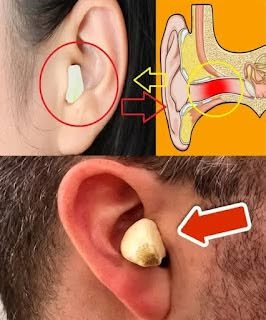
    Garlic and onions are nutrient-rich foods that contain sulfur compounds, antioxidants, and other plant chemicals that may support overall health. This has inspired claims that they can naturally restore hearing or reverse hearing loss. However, there is currently no strong clinical evidence that eating garlic and onion can restore damaged hearing. They can certainly be part of a balanced diet, but persistent hearing changes should be properly evaluated rather than treated solely with home remedies.

    Garlic contains compounds such as allicin, while onions provide quercetin and other antioxidants. These substances have been studied for their potential antioxidant and anti-inflammatory effects, and maintaining a nutritious diet may contribute to general cardiovascular and metabolic health. Because the inner ear depends on a healthy blood supply and delicate sensory structures, researchers have investigated whether nutritional factors could influence hearing health. However, evidence for using garlic or onion specifically as a treatment for hearing loss remains limited. Hearing difficulties can develop for many reasons, including age-related changes, prolonged exposure to loud sounds, earwax blockage, infections, certain medications, injuries, and underlying medical conditions. Some causes are treatable, while others require hearing technology or specialist care. This is why assuming that a particular food can “clean the ears” or regenerate damaged hearing cells can be misleading.

    Including garlic and onions in everyday meals is nevertheless a practical way to add flavor and valuable nutrients without relying heavily on salt or highly processed seasonings. For better long-term hearing protection, reducing exposure to excessively loud sounds and using appropriate hearing protection can be far more important. If you notice persistent ringing, muffled hearing, sudden hearing loss, ear pain, dizziness, or difficulty understanding conversations, seek evaluation from a qualified healthcare professional or hearing specialist. Sudden hearing loss is particularly important to address promptly, because some causes require urgent medical assessment. A healthy diet can support overall wellbeing, but hearing loss should be approached according to its actual cause rather than depending on a single food or “natural secret.”

    Disclaimer: This article is for general educational purposes only and does not diagnose, treat, cure, or prevent hearing loss. Garlic and onions should not be considered proven treatments for damaged hearing or hearing-related diseases. Information may be general or unauthenticated and should be verified through reliable medical sources and a qualified healthcare professional. If hearing changes occur suddenly or persist, seek appropriate medical evaluation.

  • When Your Knee Loses Collagen, Are Eggshells Really a Lifesaver?

    When Your Knee Loses Collagen, Are Eggshells Really a Lifesaver?

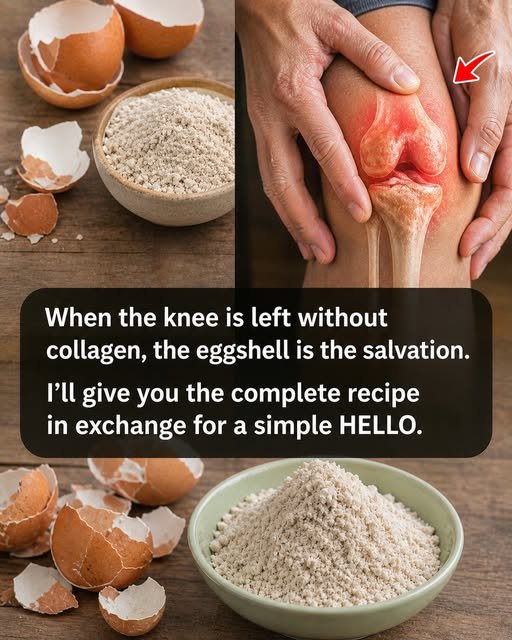
    As we age, cartilage and connective tissues naturally change, and knee discomfort can become more common. This has led to growing interest in collagen-rich foods and supplements, including unusual products such as eggshell membranes. Although eggshell-derived ingredients have been studied for joint health, calling eggshells a “lifesaver” for lost knee collagen is an exaggeration. Evidence suggests potential benefits from specific eggshell membrane supplements, but this is very different from eating ordinary crushed eggshells or claiming they can rebuild damaged cartilage.

    The eggshell itself is primarily made of calcium carbonate, while the thin membrane attached to the inside contains proteins and compounds such as collagen. Researchers have investigated natural eggshell membrane (NEM) as a dietary supplement for joint discomfort and stiffness. Some clinical trials have reported improvements in joint symptoms among people with knee osteoarthritis, but studies have generally been relatively small, and more research is needed to establish how effective it is and which people may benefit most. A systematic review of eggshell membrane supplements found evidence suggesting potential improvements in joint function and pain, while also noting limitations in the available research. (pubmed.ncbi.nlm.nih.gov) Importantly, these studies used standardized eggshell-membrane preparations—not homemade eggshell powder. Simply grinding shells and adding them to food is therefore not equivalent to taking a clinically studied supplement. Excessive calcium intake can also create health concerns, particularly for people with certain medical conditions or those taking specific medications.

    If knee pain, stiffness, swelling, or reduced mobility is becoming persistent, the better strategy is to identify the underlying cause rather than relying on a viral remedy. Osteoarthritis management may include maintaining a healthy weight, strengthening the muscles around the knee, choosing appropriate physical activity, managing pain safely, and following individualized medical advice. A healthcare professional can determine whether symptoms are related to osteoarthritis, an injury, inflammation, or another condition. Nutrition also matters: adequate protein and a balanced diet provide the building blocks required for normal tissue maintenance. Eggshell-derived supplements may be an interesting area of research, but they should be viewed as a potential supportive option, not a proven cure or replacement for treatment. Before taking any supplement regularly, especially if you have kidney problems, take medications, or have other health conditions, seek professional advice.

    Disclaimer: This article is for general educational purposes only and does not diagnose, treat, cure, or prevent knee disease or cartilage damage. Evidence concerning eggshell membrane supplements is still developing, and ordinary eggshells should not be assumed to provide the same effects as standardized products used in research. Information may be general or unauthenticated and should be verified through reliable medical sources and a qualified healthcare professional.

  • He Had No Clue Why His Name Was on the Tag, Until the Day They Handed Him the Keys…

    He Had No Clue Why His Name Was on the Tag, Until the Day They Handed Him the Keys…

    For years, he had seen his name attached to something he never fully understood. It was just a small tag, easy to overlook, and whenever he asked about it, the answers were vague. He eventually stopped thinking about it—until one ordinary day, someone placed a set of keys in his hand and told him they belonged to him. Suddenly, the forgotten tag made sense, transforming an insignificant detail from his past into the beginning of a life-changing discovery.

    The story begins with a mystery that many people can relate to: why would someone secretly put your name on an object without explaining its purpose? As he looked at the keys, he noticed details that connected them to the old tag he had seen years earlier. What appeared to be a random label was actually part of a carefully preserved plan. The property had been kept in his name through an arrangement that he had never been told about, and the people involved had deliberately waited for the right moment to reveal the truth. The house itself was not simply a gift—it represented years of planning, sacrifice, and a desire to give him something meaningful for his future. Walking through the front door for the first time, he discovered photographs, handwritten notes, and familiar belongings that explained why his name had been connected to the property long before he ever knew about it. The emotional impact was greater than the financial value because every detail appeared to tell a story about someone who had quietly believed in him.

    Moments like this remind us that the most valuable surprises are not always about money or property. Sometimes, a hidden name, an old photograph, a letter, or a forgotten object can carry an extraordinary personal meaning. Whether this story is based on a real inheritance, a family tradition, or a fictional narrative, its emotional message remains powerful: someone may be planning something meaningful long before you realize it. The keys were more than metal—they represented trust, family, memories, and a future that had been prepared in silence. And when he finally understood why his name had been on that tag all those years, the mystery that once seemed insignificant became a memory he would never forget.

    Disclaimer: This article is written for general storytelling and entertainment purposes. Details in stories of this type may be fictional, dramatized, generalized, or unauthenticated and should not be interpreted as verified real-world events. Any specific claims, identities, property details, or legal circumstances should be independently verified through reliable sources.

  • Drink This for 30 Days: The Daily Morning Tonic America Is Obsessed With

    Drink This for 30 Days: The Daily Morning Tonic America Is Obsessed With

    Morning wellness drinks have become a major trend, with people trying lemon water, ginger tea, turmeric drinks, apple-cider-vinegar beverages, and other homemade tonics as part of their daily routines. These drinks can be refreshing and may provide useful nutrients or plant compounds, but there is no scientifically proven 30-day tonic that automatically detoxes the body, melts fat, or cures disease. The body already has highly effective systems involving the liver and kidneys that process and eliminate waste. A healthy morning routine is better viewed as one small part of an overall lifestyle.

    A popular option is a simple ginger-and-lemon drink, which combines water with fresh ginger and lemon juice. Ginger contains bioactive compounds such as gingerols, and research suggests it may have potential benefits for nausea and certain digestive symptoms. However, evidence does not establish that drinking ginger water every morning for 30 days produces dramatic weight loss or prevents serious diseases. Similarly, lemon provides vitamin C, but adding lemon to water does not transform it into a powerful detox treatment. The biggest practical advantage may be hydration: replacing sugary beverages with plain or lightly flavored water can reduce added-sugar intake and support healthier habits. People should also be cautious with concentrated acidic drinks because frequent exposure to acidic beverages can contribute to dental enamel erosion, particularly when consumed slowly or repeatedly throughout the day. (ada.org)

    If you enjoy a morning tonic, keep it simple, moderate, and realistic. A glass of water with a small amount of fresh lemon and ginger can be a pleasant addition to breakfast, but it should not replace nutritious meals, prescribed medication, or professional medical care. Avoid adding large quantities of sugar simply to make a wellness drink taste better, and be particularly careful with concentrated herbal mixtures or supplements because “natural” does not automatically mean risk-free. The most meaningful health improvements usually come from consistent habits: eating a balanced diet, consuming enough fiber and protein, staying physically active, sleeping adequately, and maintaining appropriate medical checkups. A 30-day challenge can be useful if it helps establish sustainable habits—but no single beverage should be promoted as a miracle solution.

    Disclaimer: This article is for general educational purposes only and does not diagnose, treat, cure, or prevent any disease. Claims about a specific morning tonic producing dramatic results in 30 days should not be treated as guaranteed medical facts. Information may be general or unauthenticated and should be verified through reliable medical and nutritional sources and a qualified healthcare professional.

  • Found in My Daughter’s Room — What Is This?

    Found in My Daughter’s Room — What Is This?

    Finding an unfamiliar object in your daughter’s room can immediately make you curious, especially when you have no idea what it is used for. However, an object cannot be identified accurately from a short description alone. Many everyday items can look unusual when separated from their packaging or normal surroundings. Before assuming that the discovery means something suspicious, it is better to examine the object carefully and look for a brand name, label, model number, symbol, or distinctive feature that could reveal its purpose.

    Depending on its appearance, an unfamiliar object could be anything from a personal-care accessory or electronic component to a craft supply, household tool, medical-related item, or ordinary piece of hardware. Some products are intentionally designed in shapes that can seem confusing to someone who has never used them. Online images can sometimes help with identification, but comparing several reliable sources is important because similar-looking objects may have completely different purposes. If the object contains batteries, sharp edges, chemicals, medication, or an unknown substance, avoid experimenting with it or allowing anyone to consume or handle its contents. If there is a safety concern, a qualified professional can provide more reliable guidance than guessing from appearance alone.

    The best way to solve the mystery is to take a clear photograph of the item from multiple angles, including any writing, logos, buttons, openings, markings, or packaging. Its approximate size and the place where it was found can also provide useful context. Once those details are available, the object can be narrowed down much more confidently. Most importantly, avoid making serious assumptions about your daughter based solely on an unidentified item. If you are concerned about something personal or sensitive, a calm and respectful conversation is usually better than jumping to conclusions. Sometimes a mysterious object turns out to be completely ordinary—and occasionally, it is simply something you have never encountered before.

    Disclaimer: This article is for general informational purposes only. An object cannot be reliably identified from a vague description, and its presence in a room does not establish how or why it was used. Information may be general or unauthenticated and should be verified through reliable sources or a qualified professional. If you send a clear picture of the item, its identification can be assessed more accurately.

  • No, These Are Not Christmas Decorations — They’re Much Heavier Than They Look

    No, These Are Not Christmas Decorations — They’re Much Heavier Than They Look

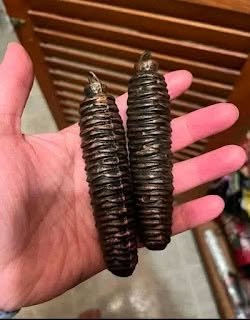
    At first glance, a collection of unusual objects hanging around an old family home can easily be mistaken for holiday decorations. Their shapes, colors, or decorative designs may make them look like ornaments, but appearance can be deceiving. If the objects are solid, unusually heavy, and clearly not designed to hang from a Christmas tree, they may have an entirely different purpose. In older homes, it is common to discover vintage household tools, decorative hardware, collectibles, or objects whose original purpose is no longer obvious to younger generations.

    Homes occupied by the same family for decades can become fascinating time capsules filled with items from different periods. Heavy objects that resemble ornaments could potentially be vintage metal decorations, old household accessories, paperweights, hardware, antique tools, or collectible pieces. Some older objects were deliberately manufactured from cast iron, brass, steel, or other dense materials, making them surprisingly heavy despite their relatively small size. Their unusual shapes can also make modern viewers mistake them for something completely different. Identifying an antique object usually requires looking closely at details such as engravings, manufacturer marks, construction methods, fasteners, materials, and dimensions. An object’s location within the house can provide another clue, but it should not be treated as proof of its original purpose. If several matching pieces were discovered together, that may suggest they were originally part of a set or served a specific household function. Rather than immediately assuming they are valuable antiques, it is better to document them carefully and research their characteristics through reputable museums, antique-reference resources, or qualified appraisers.

    If you discover something similar in an older property, do not throw it away simply because you cannot identify it. Take clear photographs from several angles, record any visible markings or numbers, and note its approximate size and weight. Avoid aggressively polishing, repainting, drilling, or modifying old objects because those actions can remove important evidence of their age and potentially reduce historical or collectible value. If the objects appear damaged, contain unknown substances, have sharp components, or show signs of hazardous materials, handle them cautiously and seek appropriate professional advice. Sometimes an apparently strange discovery turns out to be an ordinary household object with an interesting history; other times, it can be a genuine vintage collectible. Without photographs or identifying markings, however, it would be irresponsible to claim exactly what these particular objects are.

    Disclaimer: This article is for general informational and educational purposes only. The objects described cannot be reliably identified from a written description alone, and their age, purpose, rarity, or value should not be assumed. Information may be general or unauthenticated and should be verified through reliable sources, photographs, historical references, or a qualified antiques professional before making any decisions about an item.

  • Pay Attention to This Date on Egg Cartons — It’s Not Just an Expiration Date

    Pay Attention to This Date on Egg Cartons — It’s Not Just an Expiration Date

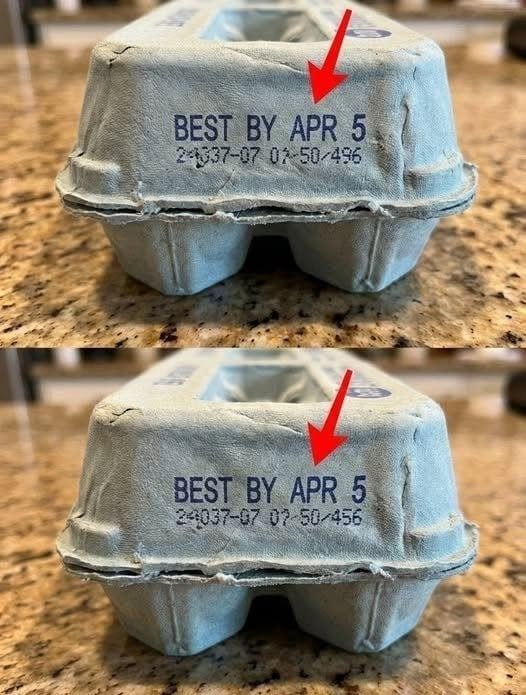
    Egg cartons can contain several dates and codes, and understanding them can help shoppers make more informed decisions about freshness and food safety. Many people focus only on the printed date, but the wording and type of date matter. In the United States, for example, carton dates can include a “sell-by” date, while some cartons also display a “use-by” or “best-by” date depending on local regulations. These dates do not always mean the eggs suddenly become unsafe at midnight on that day. Proper refrigeration and handling are also essential.

    One detail worth checking is the Julian date, a three-digit number that indicates the day of the year when the eggs were packed. For example, “001” represents January 1, while “365” represents December 31 in a non-leap year. This packing date can help consumers and retailers determine how long the eggs have been stored. The USDA explains that shell eggs can generally be refrigerated for 3 to 5 weeks after purchase when properly handled, even though quality may gradually decline over time. (fsis.usda.gov) Instead of assuming every printed number is an expiration date, look for wording such as “Sell By” or “EXP,” and check the carton for the packing code when available. Another important clue is the condition of the carton and eggs themselves. Cracked or dirty shells can increase food-safety concerns, while eggs should remain refrigerated at 40°F (4.4°C) or below. (fda.gov)

    When buying eggs, choose cartons that are clean and undamaged and place them in the refrigerator promptly after shopping. Keeping eggs in their original carton can help protect them from absorbing odors and makes the printed information easy to reference. Avoid leaving refrigerated eggs at room temperature for extended periods, and cook eggs thoroughly when serving people who are particularly vulnerable to foodborne illness. The exact labeling system can differ between countries, so shoppers should follow the food-safety rules applicable to their location rather than relying on viral “secret date” claims. A date on an egg carton is useful information, but date interpretation, refrigeration, shell condition, and safe handling all work together to reduce food-safety risks.

    Disclaimer: This article is provided for general educational purposes only. Egg-labeling requirements and date terminology vary by country and manufacturer, and a printed date alone cannot guarantee that food is safe or unsafe. Information may be general or unauthenticated and should be verified through reliable food-safety authorities and local regulations. When in doubt about damaged, improperly stored, or questionable eggs, follow official food-safety guidance.