Category: Uncategorized

  • Warning! If You’ve Spotted This Insect in Your House, Here’s What You Should Do

    Warning! If You’ve Spotted This Insect in Your House, Here’s What You Should Do

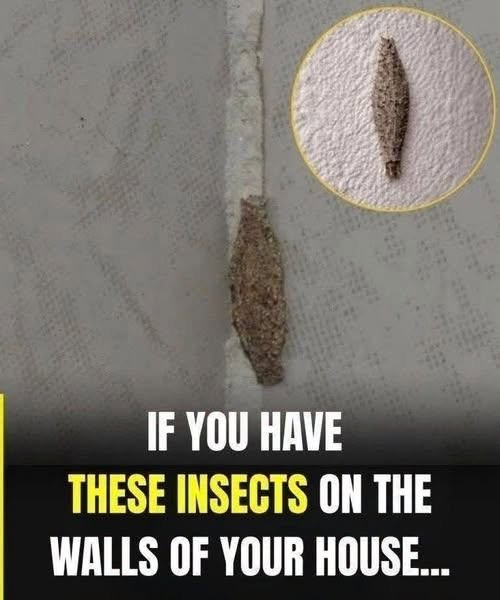
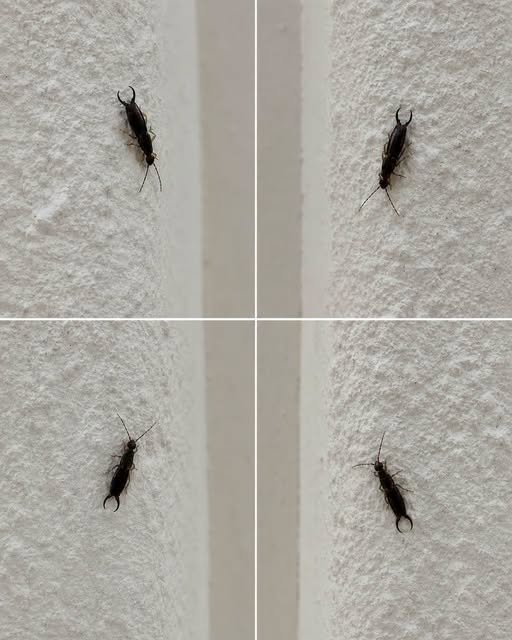
    Finding an unfamiliar insect inside your home can immediately make you wonder whether it signals a hidden problem. In reality, the meaning depends heavily on the species and the conditions around your home. Insects may enter because they are attracted to food, moisture, warmth, light, plants, or shelter. Some, such as ants, may indicate an accessible food or water source, while silverfish are commonly associated with damp, humid environments. Other insects may simply wander indoors through doors, windows, cracks, or ventilation openings. Therefore, seeing one insect does not automatically mean your home has a serious infestation. The most useful first step is to identify what you are actually seeing rather than relying on a frightening viral caption.

    If you notice several insects repeatedly appearing in the same area, investigate the surrounding environment. Check for leaking pipes, condensation, standing water, overflowing bins, crumbs, improperly stored food, damaged window screens, and gaps around doors or walls. Moisture is particularly important because many household pests thrive in humid conditions. Improving ventilation, repairing leaks, keeping food sealed, cleaning surfaces regularly, and removing unnecessary clutter can make your home less attractive to many common pests. Avoid randomly spraying pesticides without knowing the species, because some chemicals can be harmful when used incorrectly and may not address the source of the problem. If you can safely photograph the insect, an accurate identification can make choosing the appropriate control method much easier.

    The phrase “you need to…” in viral pest warnings is often followed by an exaggerated claim, such as immediately leaving the house or assuming the insect indicates a dangerous disease. Don’t panic based on appearance alone. Some insects are harmless, while others can damage food, clothing, wood, or property, and a small number can bite or sting. If you encounter a large infestation, aggressive or stinging insects, structural damage, or pests that continue returning despite cleaning and moisture control, consider contacting a qualified pest-control professional. Disclaimer: This article is for general educational and household information only and does not identify the insect shown in the original headline because no photograph or species information was provided. The appropriate response depends on the insect and the conditions in the home. Always verify pest-identification and pesticide advice through reliable sources or a qualified professional before taking action.
  • I’m Tired of Learning Things I Feel Like I Should Already Know — So What Is This Gap For?

    I’m Tired of Learning Things I Feel Like I Should Already Know — So What Is This Gap For?

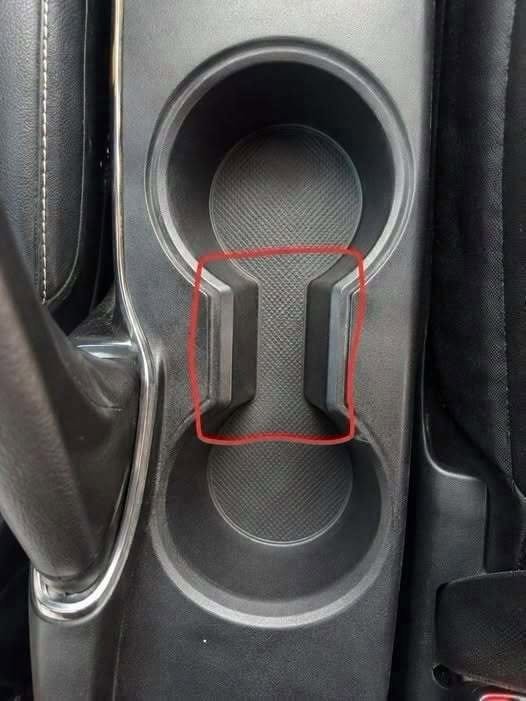
    If you’re looking at a familiar everyday object and suddenly wondering, “What is that gap actually for?”, you’re definitely not alone. Small gaps, slots, holes, and spaces are often designed for practical reasons that aren’t obvious until someone explains them. The exact purpose depends on the object, but a gap may be intended to provide ventilation, allow movement, accommodate expansion, prevent damage, improve grip, or make manufacturing easier. In some cases, the space is deliberately built into a product because materials can shift slightly with temperature, pressure, or movement. Other times, it may help protect a component from being squeezed or damaged during everyday use. What looks like wasted space can therefore have a surprisingly functional purpose.

    The funny thing about these details is that we often use objects correctly without ever knowing why they were designed that way. Packaging, kitchen tools, furniture, vehicles, electronics, clothing, and household equipment are full of little design decisions that most people never question. For example, engineers routinely use gaps and clearances to prevent moving parts from rubbing against one another or to allow materials to expand and contract. Even a seemingly unnecessary opening can have a role in protecting the product, improving performance, or simplifying assembly. That is why guessing from appearance alone can sometimes lead to funny but completely incorrect answers. Viral “what is this gap for?” posts are popular precisely because they turn ordinary objects into little engineering puzzles.

    So, are you finally ready to discover the answer? Send me the picture of the object containing the gap, and I can identify what it is and explain exactly what that space is designed to do. Without seeing the object, there simply isn’t enough information to give a reliable identification—especially because the same type of gap can serve completely different purposes in different products. And that’s actually the fun part: sometimes the thing we thought was obvious turns out to have a clever bit of engineering behind it. Disclaimer: The purpose of a gap cannot be reliably determined from the caption alone. The explanation should be based on the specific object, its design, and reliable technical information rather than an unverified viral claim. (reddit.com)

  • This Mysterious Chunk of Steel Is Stumping Everyone — But What Is It Really For?

    This Mysterious Chunk of Steel Is Stumping Everyone — But What Is It Really For?

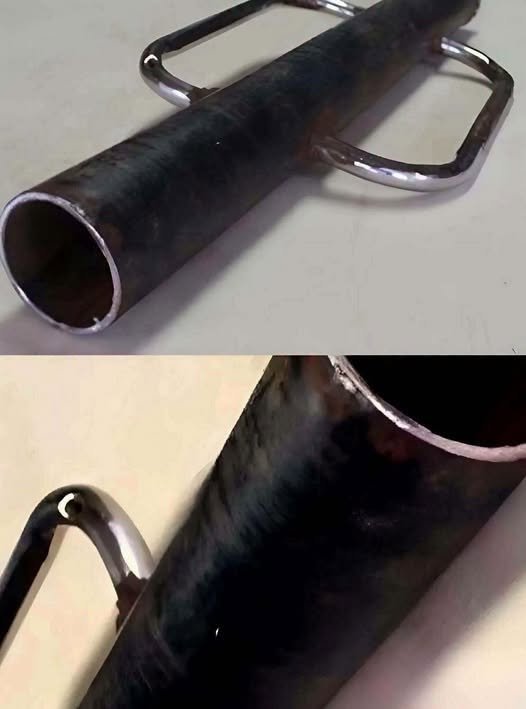
    A strange piece of metal can look completely ordinary while having a surprisingly specific purpose. Online posts often turn unidentified metal objects into viral “99% of people have no idea” puzzles, but the exact identity of the object cannot be established from the headline alone. Shape, dimensions, markings, weight, and where the object was discovered are usually essential clues. A simple chunk of steel could be part of industrial equipment, an old machine component, a construction tool, a counterweight, or even a specialized piece of hardware that looks mysterious when separated from the larger device it belonged to. This is why experienced collectors and engineers generally avoid identifying an unfamiliar object with certainty based only on its appearance.

    The fascination comes from realizing how many everyday tools and mechanical components are designed for very specific jobs. A seemingly useless metal block may have been created to provide strength, weight, alignment, protection, heat resistance, or mechanical leverage. Some components are deliberately heavy because their mass helps stabilize machinery, absorb vibration, or counterbalance moving parts. Others may look incomplete because they were manufactured as one section of a much larger assembly. Without reliable information about the object’s origin, it would be misleading to claim that it has a secret or extraordinary purpose. Similar viral “mystery object” stories have repeatedly demonstrated why photographs can be deceptive and why identification sometimes requires comparison with known tools, machinery, or historical artifacts.

    So, are you really part of the “1%” who can identify it? Maybe—but the best answer should come from evidence rather than a guess. If you have the original photograph of the mysterious steel object, details such as its size compared with a familiar item, visible holes or threads, unusual edges, markings, and the location where it was found can dramatically narrow down the possibilities. Reverse-image searching and consultation with knowledgeable engineering, antique-tool, or industrial-equipment communities can also help establish what the object actually is. Disclaimer: The viral claim that 99% of people cannot identify the object is not independently verified, and the exact purpose of the steel object cannot be confirmed from the headline alone. Always verify unusual “mystery object” claims through reliable sources or provide the original image and context before treating an identification as factual.

  • A Woman’s Legs Can Tell You More About Her Health Than You Might Think

    A Woman’s Legs Can Tell You More About Her Health Than You Might Think

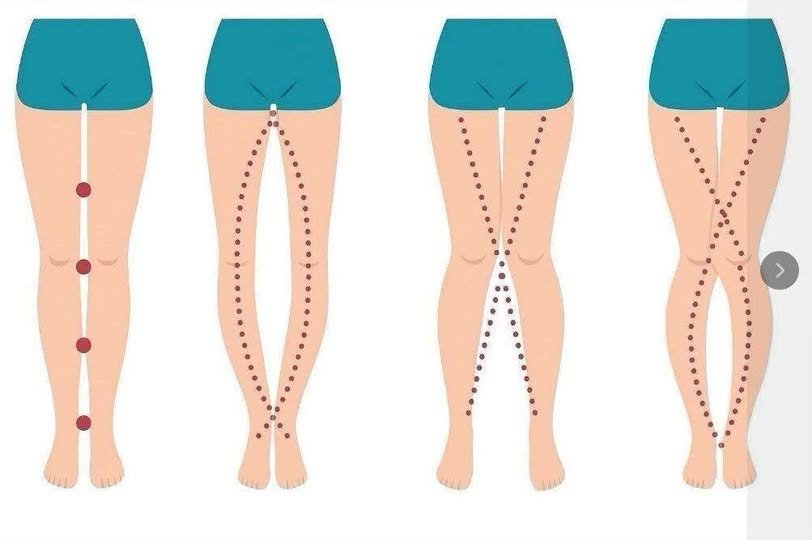
    A woman’s legs can sometimes provide useful clues about her overall health, although they cannot reveal a person’s personality, fertility, sexual history, or relationship status. Changes in the legs may reflect circulation, muscle strength, skin health, fluid balance, or other medical factors. For example, persistent swelling around the ankles or lower legs can sometimes be associated with prolonged standing, certain medications, vein problems, or conditions affecting the heart, kidneys, or liver. (nhs.uk) Visible varicose veins may occur when veins have difficulty returning blood efficiently to the heart, while sudden swelling affecting only one leg can have a different and potentially more urgent cause. (nhs.uk) These signs should therefore be viewed as possible health clues rather than definitive diagnoses.

    The strength and function of the legs can also tell us something about physical health. Muscle strength naturally changes with age, but maintaining lower-body strength is important for mobility, balance, and independence. Regular activities such as walking, climbing stairs, cycling, and appropriately designed strength exercises can help maintain muscle function. (cdc.gov) Skin changes can also deserve attention. Persistent discoloration, sores that do not heal, unusual warmth, severe dryness, or changes in sensation may sometimes indicate circulation or nerve-related problems. People with diabetes, for example, need to pay particular attention to their feet and lower limbs because nerve damage and reduced circulation can increase the risk of injuries and slow healing. (cdc.gov)

    One important warning sign is sudden swelling, pain, warmth, or redness in one leg, especially when it develops without an obvious injury. These symptoms can occur with deep-vein thrombosis (DVT), a blood clot that requires prompt medical assessment. (nhs.uk) If leg swelling is accompanied by sudden chest pain, difficulty breathing, or coughing up blood, emergency medical care is necessary because a clot can travel to the lungs. Otherwise, persistent or unexplained leg changes should be discussed with a healthcare professional rather than interpreted from appearance alone. Disclaimer: This article is for general educational and health information only and does not constitute medical diagnosis or personalized advice. The appearance or shape of a woman’s legs cannot reliably reveal her character, sexual history, fertility, or other personal traits. Always verify health claims through reliable medical sources and consult a qualified healthcare professional about new, persistent, painful, or sudden changes in the legs.

  • The “Most Powerful Herb” for Parasites and Urinary Tract Problems — What the Evidence Really Says

    The “Most Powerful Herb” for Parasites and Urinary Tract Problems — What the Evidence Really Says

    Claims about one herb being the “most powerful” remedy for parasites and urinary tract problems are common online, but there is no single herb scientifically proven to eliminate all parasites or treat every urinary tract infection. Some herbs and plant compounds have demonstrated antimicrobial or antiparasitic activity in laboratory studies, but laboratory results do not necessarily mean that consuming the plant will cure an infection in humans. Urinary tract infections, for example, are commonly caused by bacteria and may require appropriate medical treatment after evaluation. Symptoms such as burning during urination, frequent urination, pelvic discomfort, cloudy urine, or blood in the urine should not automatically be treated with herbal remedies. (niddk.nih.gov)

    Some plant-based products have been studied for supporting urinary health rather than treating an active infection. Cranberry products, for instance, have been investigated for their potential to reduce the risk of recurrent urinary tract infections in certain groups, but they are not considered a reliable treatment for an established UTI. (nccih.nih.gov) Likewise, herbs traditionally used for intestinal parasites may have interesting compounds, but their effectiveness and safety can vary considerably depending on the parasite, preparation, dose, and individual health. Taking concentrated herbal products without knowing the cause of symptoms can delay appropriate treatment and may sometimes cause adverse effects or drug interactions.

    The safest approach is to identify the actual problem before choosing a remedy. Parasites are not all treated the same way, and treatment depends on the specific organism involved. Similarly, urinary symptoms can result from a UTI, kidney stones, sexually transmitted infections, prostate problems, irritation, or other conditions. (niddk.nih.gov) Seek medical care promptly if urinary symptoms are accompanied by fever, chills, vomiting, back or side pain, or blood in the urine, because an infection can sometimes spread to the kidneys. Disclaimer: This article is for general educational and health information only and does not constitute medical diagnosis, treatment, or personalized advice. No herb can reliably be described as a universal cure for parasites or urinary tract infections. Always verify herbal-health claims through reliable scientific sources and consult a qualified healthcare professional before using concentrated herbs or supplements, particularly if you take medication or have an existing medical condition.

  • If These Insects Are Appearing on the Walls of Your Home, Here’s What It Could Mean

    If These Insects Are Appearing on the Walls of Your Home, Here’s What It Could Mean

    Finding small insects crawling or gathering on your walls can be unsettling, but their presence usually has a practical environmental explanation rather than a mysterious warning. Common household insects such as ants, flies, mosquitoes, moths, silverfish, and small beetles may enter homes because they are attracted to food, moisture, warmth, light, or shelter. Ants, for example, often follow scent trails toward food or water, while mosquitoes can be attracted to people and areas where moisture is available. Small moths or beetles may be associated with stored food, fabrics, or other household materials. If insects repeatedly appear in one particular area, that location may provide something they need, such as a food source, a damp spot, a crack leading outdoors, or an undisturbed hiding place.

    Moisture is one of the most important clues when insects are appearing repeatedly indoors. Leaking pipes, condensation, damp bathrooms, poorly ventilated rooms, and water collecting around windows can create favorable conditions for certain insects. Silverfish, for instance, prefer humid environments and can sometimes be found in bathrooms, basements, or other damp areas. (extension.umn.edu) Other insects may simply be attracted to indoor lighting at night and gather around windows or walls near light sources. Before using pesticides, inspect the room carefully for gaps around doors and windows, standing water, damaged screens, food crumbs, overflowing bins, and signs of moisture. Removing the source is often more effective for long-term control than repeatedly killing the insects you can see.

    If the infestation continues, identifying the insect correctly is important because different species require different approaches. Keep food sealed, clean spills promptly, repair leaks, improve ventilation, remove unnecessary clutter, and seal obvious entry points. Avoid spraying unknown chemicals throughout your home, particularly around children, pets, food-preparation areas, or poorly ventilated rooms. If there are large numbers of insects, structural damage, stinging or biting insects, or an infestation that persists despite basic cleaning and moisture control, consider contacting a qualified pest-control professional. Disclaimer: This article is for general educational and household information only and does not identify a specific insect or diagnose an infestation. The reason insects appear on walls depends on the species, season, environment, and conditions inside and around the property. Always verify pest-control recommendations through reliable sources and seek professional identification when necessary.

  • I Never Knew This — The Little Things We Often Overlook

    I Never Knew This — The Little Things We Often Overlook

    Sometimes the most surprising facts are hidden in things we see every day. From the foods we eat and the habits we repeat to the natural world around us, ordinary things can have explanations that are very different from what we assume. This is one reason curiosity is so valuable: asking questions can turn familiar experiences into opportunities to learn something new. A fact may sound unbelievable when we first hear it, but that does not automatically make it true. In the age of viral posts and short videos, fascinating claims can spread rapidly before anyone checks where they came from. Taking a moment to investigate the original source can help separate genuinely useful information from exaggeration, misunderstandings, or internet myths.

    The best discoveries often come from paying attention to details. A strange color in food, an unusual animal behavior, a change in the body, or an everyday phenomenon may have a perfectly ordinary scientific explanation. At the same time, some unusual observations really can be worth investigating. The important difference is evidence. Reliable information usually comes from trustworthy scientific institutions, qualified professionals, published research, official records, or clearly documented observations. Social-media comments and sensational headlines can be useful starting points for curiosity, but they should not automatically be treated as proof. Learning to ask “How do we know this?” is one of the simplest ways to become a more informed reader.

    So the next time you see a headline that makes you think, “I never knew this!”, take a second look. Read beyond the headline, check the source, compare the claim with reliable information, and consider whether the evidence actually supports the conclusion. You may discover that the claim is completely accurate, partly true, or simply an entertaining internet story. Either way, curiosity is valuable when it leads to better questions and more careful thinking. Disclaimer: This article is for general educational and informational purposes only. Individual viral claims should be independently verified through reliable and authoritative sources before being accepted or shared as factual information.

  • Giant Eagle Captured in Brownsville? Here’s What the Viral Story Claims

    Giant Eagle Captured in Brownsville? Here’s What the Viral Story Claims

    A viral headline claiming that a “giant eagle” was captured near Brownsville, Texas, has attracted attention online, with some versions describing an enormous bird with a wingspan of nearly 10 feet. Several low-quality websites repeat essentially the same story, claiming that hikers spotted the creature near the U.S.–Mexico border before wildlife specialists supposedly captured it for examination. One version even says scientists began studying its feathers, DNA, diet, and bone structure to determine whether it could represent an unknown species. The dramatic details certainly make the story sound like an extraordinary wildlife discovery, but there is an important reason to be cautious: the reports circulating online do not provide credible scientific documentation, named researchers, official wildlife-agency statements, or independently verifiable evidence confirming the existence of a previously unknown 10-foot eagle.

    The idea of a truly enormous eagle naturally sounds believable because some extinct birds of prey were dramatically larger than modern eagles. For example, Haast’s eagle of New Zealand was a giant eagle that disappeared after the arrival and ecological changes associated with humans. Modern bald and golden eagles can also appear enormous when photographed from unusual perspectives, especially when perched close to a camera. A viral photograph can therefore create a powerful impression of extraordinary size without providing reliable measurements. Interestingly, an earlier viral “giant eagle captured in Brownsville” discussion on Reddit was challenged by commenters who identified the image as being from British Columbia rather than Brownsville, while others questioned whether the bird was even an eagle. This doesn’t prove what every newer image shows, but it demonstrates why location, scale, and species identification should be independently confirmed before accepting a sensational wildlife claim.

    For now, the safest conclusion is that the “10-foot giant eagle of the border” story should be treated as unverified rather than as a confirmed scientific discovery. A genuine discovery of a previously unknown giant eagle in Texas would be an extraordinary event and would normally attract attention from recognized wildlife authorities, ornithologists, museums, universities, and conservation organizations. Until such sources provide evidence, readers should be careful about sharing the headline as established fact. The story is fascinating, but separating genuine wildlife discoveries from viral exaggerations is important—especially when dramatic claims involve supposedly revolutionary scientific findings. Disclaimer: This article is based on publicly circulating online reports, some of which make extraordinary claims without providing sufficient independent scientific evidence. The alleged giant eagle, its capture, measurements, and supposed research findings have not been independently verified from authoritative wildlife or scientific sources. Always verify viral wildlife stories through reliable scientific organizations before accepting or sharing them as fact.

  • Mom Leaves a Written Note on Her “Disrespectful” Son’s Door — And It Goes Viral

    Mom Leaves a Written Note on Her “Disrespectful” Son’s Door — And It Goes Viral

    A handwritten note from a mother to her teenage son has recently attracted attention online because of its unusual approach to teaching respect, responsibility, and independence. According to reports circulating online, the note was addressed to a 13-year-old boy named Aaron and explained that his mother believed he was old enough to begin understanding the responsibilities that come with growing independence. Instead of simply giving him another lecture, she presented a list of household expenses and chores, including rent, electricity, internet, food, taking out the trash, cleaning, preparing meals, and looking after his own space. The reported letter even included a cleaning charge if his mother had to complete chores he was expected to handle himself.

    What made the message particularly interesting was that the mother reportedly framed the situation as a choice between being treated like an independent roommate or returning to the role of her child. The point wasn’t necessarily that a teenager should literally be charged adult-level household expenses. Rather, the message appears intended to demonstrate that independence comes with responsibilities that are easy to overlook. Freedom means learning how to manage money, clean your surroundings, prepare food, respect shared spaces, and contribute to a household. Parents naturally have different opinions about how quickly children should learn these lessons. Some prefer assigning chores without financial consequences, while others use allowances, budgeting exercises, or practical household responsibilities to prepare teenagers for adulthood. The most important factor is that expectations are communicated clearly and are appropriate for the child’s age and circumstances.

    The story has resonated with many people because respect and responsibility are lessons that extend far beyond the teenage years. A child who gradually learns how to manage everyday responsibilities may enter adulthood with greater confidence and practical skills. At the same time, discipline works best when it is combined with communication, consistency, affection, and reasonable expectations rather than humiliation or fear. The viral reaction also reminds us that social-media stories can leave out important context, so the full circumstances behind the note should not be assumed from a headline alone. Whether people agree with the mother’s method or not, the underlying conversation is valuable: growing up involves learning that privileges, freedom, and responsibility often go hand in hand. Disclaimer: This article is based on a recently circulated online report and its details could not be independently verified from primary sources. The story should therefore be treated as an internet-reported anecdote rather than established fact, and readers should verify important claims through reliable sources before sharing them as factual information.

  • These Are Some of the Earliest Signs of Sleep Apnea You Shouldn’t Ignore

    These Are Some of the Earliest Signs of Sleep Apnea You Shouldn’t Ignore

    Sleep apnea can develop gradually, and some of its earliest signs happen while you’re asleep, meaning you may not notice them yourself. Common warning signs include loud or frequent snoring, pauses in breathing, gasping or choking during sleep, repeatedly waking during the night, waking with a dry mouth, and experiencing morning headaches. A bed partner may be the first person to notice that someone stops breathing for several seconds and then suddenly snorts or gasps. Not everyone who snores has sleep apnea, but frequent loud snoring combined with breathing interruptions deserves medical attention. The condition occurs when breathing repeatedly stops and restarts during sleep, potentially reducing sleep quality and oxygen levels.

    The effects can continue into the daytime. Persistent tiredness, excessive daytime sleepiness, difficulty concentrating, memory problems, irritability, and waking without feeling refreshed can all occur when sleep is repeatedly disrupted. Some people may also wake frequently to urinate at night. Women can sometimes experience sleep apnea differently, with symptoms such as morning headaches, insomnia, anxiety, depression, tiredness, or repeated nighttime awakenings rather than obvious snoring. These symptoms are not proof of sleep apnea because many other conditions can cause them, but a persistent pattern is worth discussing with a healthcare professional.

    If you recognize several of these signs, don’t simply accept constant exhaustion as normal. A healthcare professional can review your symptoms and risk factors and may recommend a sleep study to determine whether sleep apnea or another sleep disorder is present. Untreated sleep apnea can be associated with high blood pressure, cardiovascular disease, stroke, diabetes, and problems with concentration and decision-making. If daytime sleepiness makes you struggle to stay awake while driving or operating machinery, take it seriously and avoid driving while drowsy. Disclaimer: This article is for general educational and health information only and does not constitute medical diagnosis or personalized advice. Snoring, fatigue, headaches, and nighttime awakenings can have many causes and do not automatically mean that you have sleep apnea. Always verify important health information through reliable medical sources and consult a qualified healthcare professional if symptoms persist or concern you.