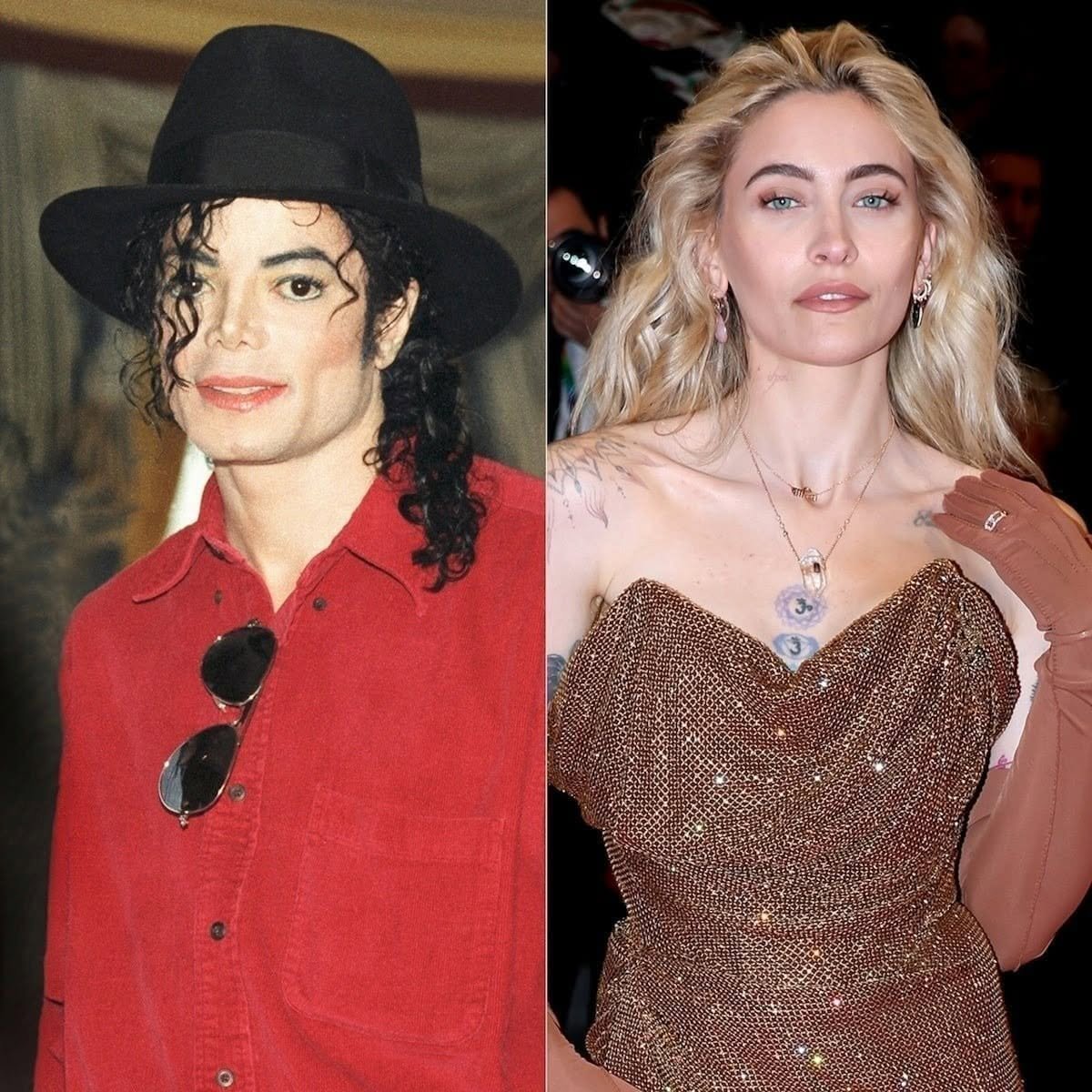
Digital media platforms frequently feature side-by-side portraits of famous icons and their adult children paired with incomplete, sensationalized headlines—such as claiming a celebrity’s daughter has “broken her silence” with a dramatic, cut-off quotation. These viral posts are specifically engineered to exploit curiosity, leverage popular culture iconography, and drive rapid comment section debate rather than reporting actual interview context or verified biographical statements.
From a media literacy and social psychology perspective, content mills routinely employ the Zeigarnik effect—the psychological tendency to remember or fixate on incomplete tasks or unanswered questions—by cutting off a headline mid-sentence (e.g., “My dad used to…”). By pairing photos of high-profile figures, such as Michael Jackson and his daughter Paris Jackson, with fabricated or taken-out-of-context quotes, digital marketers manufacture instant intrigue. Users are baited into opening the post or clicking through “link in comment” threads to find the completion of the sentence, which inflates engagement metrics and directs web traffic toward ad-monetized click-farms.
Maintaining strong digital literacy involves analyzing sensationalized celebrity headlines with healthy skepticism, checking established cultural reporting outlets for verification, and recognizing how incomplete sentences are used as engagement hooks. Personalized media consumption is most constructive when grounded in verified journalistic interviews rather than algorithmic clickbait traps. If you encounter dramatic claims or incomplete quotes regarding public figures online, consulting primary interview sources or reputable entertainment news organizations ensures you receive accurate, fact-checked information.
Leave a Reply