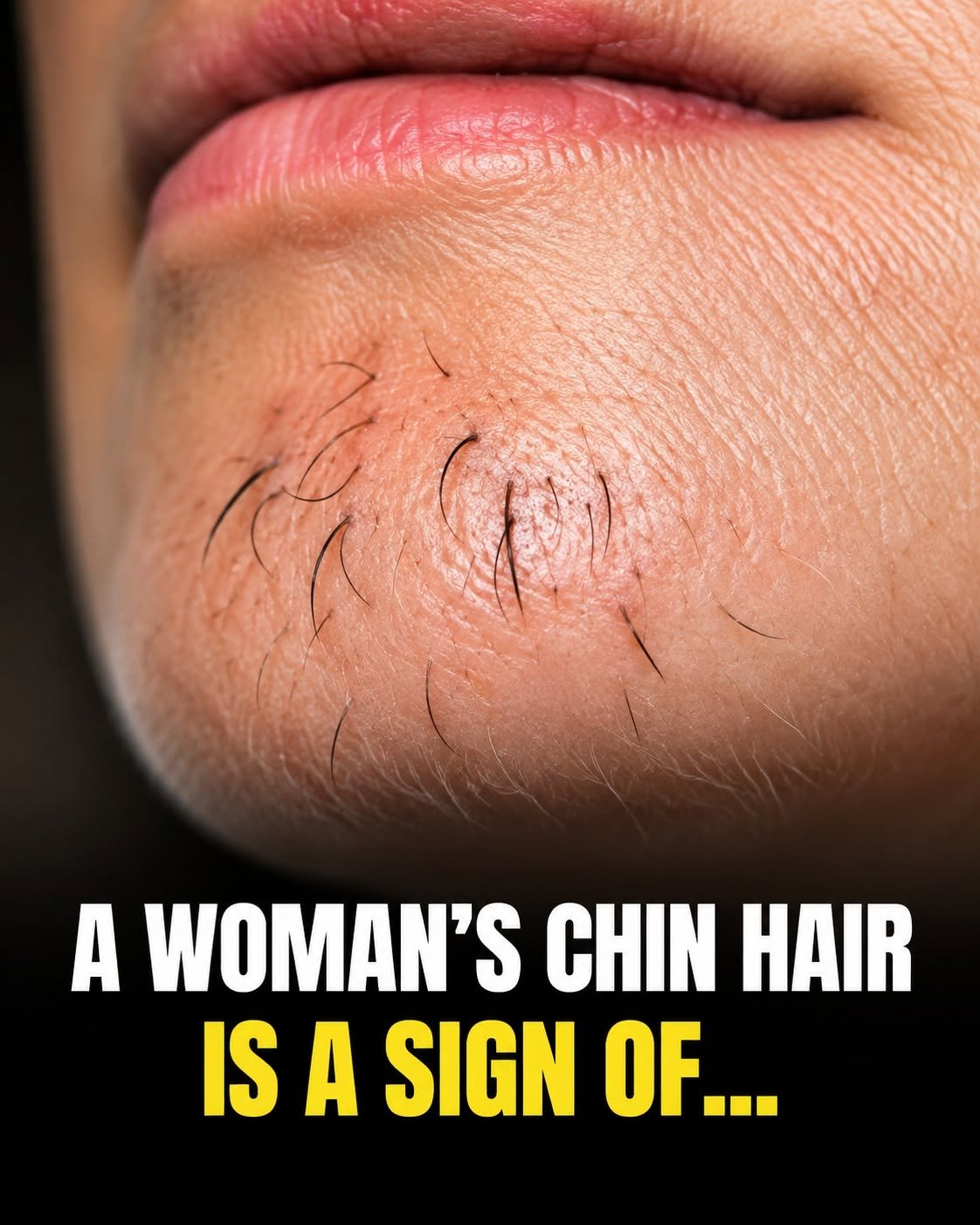
Digital media platforms frequently feature sensationalized medical close-ups and incomplete clickbait headlines—such as asking what a woman’s chin hair is a sign of—designed to provoke self-consciousness, health anxiety, and rapid online comment engagement. These viral posts are specifically engineered to exploit body insecurities rather than providing accurate, evidence-based endocrinological or dermatological education.
From a clinical endocrinology and dermatology perspective, experiencing occasional or fine facial hair growth along the chin is an extremely common and normal human physiological variation. All human bodies—regardless of gender—possess hair follicles across the face, which produce fine vellus hairs. Variations in hair texture, thickness, or pigmentation can be influenced by natural hormonal shifts (such as those occurring with normal aging or perimenopause), genetic predispositions, or conditions like polycystic ovary syndrome (PCOS). However, sensationalized online content routinely frames ordinary physiological occurrences as alarming medical mysteries to drive click-through traffic.
Managing unwanted facial hair involves choosing safe, standard cosmetic removal methods (such as shaving, waxing, threading, laser hair reduction, or electrolysis) and relying on professional clinical guidance rather than alarming internet generalizations. Personalized health evaluations should always reflect a comprehensive clinical assessment rather than online self-diagnosis. If you experience sudden, rapid, or heavy increases in facial hair accompanied by other systemic symptoms, consulting a licensed physician, dermatologist, or endocrinologist provides safe, evidence-based direction.
Leave a Reply